When it comes to maintaining a beautiful and healthy garden, weeds are one of the most persistent and frustrating obstacles homeowners and landscapers face. Weeds compete with your plants for water, nutrients, and sunlight—and they seem to pop up overnight. Fortunately, there’s an effective, affordable, and environmentally friendly solution: mulch.
At Kirk Allen Landscape Supply, we regularly advise customers across New Jersey on how to best use mulch for weed control. In this article, we’ll share tried-and-true tips on how to use mulch effectively to suppress weeds, improve your garden soil, and elevate the look of your landscaping.
Why Mulch Works So Well Against Weeds
Mulch acts as a protective layer over the soil. It blocks sunlight, preventing weed seeds from germinating. And even if some seeds do sprout, they struggle to break through the mulch layer to reach sunlight. In short, a properly mulched garden significantly reduces the time and effort spent pulling weeds.
Besides weed control, mulch offers other benefits:
- Retains soil moisture, reducing watering needs.
- Regulates soil temperature, protecting roots from extreme heat or cold.
- Improves soil structure as organic mulch breaks down over time.
- Enhances curb appeal, giving garden beds a neat, finished look.
Tip 1: Choose the Right Type of Mulch
Not all mulch is created equal. When your goal is weed suppression, it’s important to pick the right kind of mulch for the job.
Organic Mulches (Highly Recommended for Weed Control)
These break down over time and improve soil health:
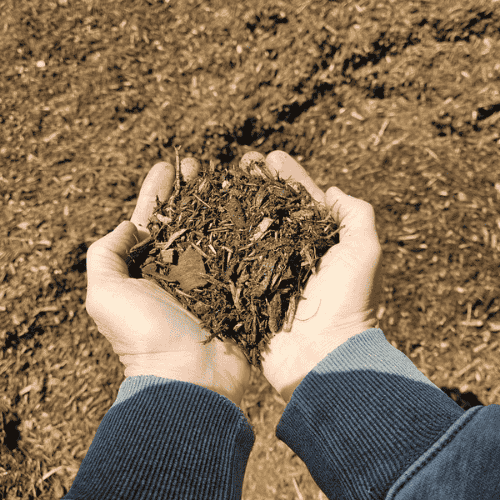
- Shredded Bark – One of the most popular choices. Long-lasting and effective.
- Wood Chips – Great for pathways and around shrubs or trees.
- Compost or Leaf Mulch – Rich in nutrients and good for vegetable gardens.
- Pine Needles – Excellent for acid-loving plants.
Inorganic Mulches
These don’t break down and are less suitable for gardens that require soil improvement:
- Stone or Gravel – Works well for xeriscaping or decorative purposes, but less effective in vegetable beds.
- Landscape Fabric + Mulch – Often used together to create a weed barrier.
At Kirk Allen Landscape Supply, we stock a wide range of mulch options in bulk. Whether you need dyed hardwood mulch for aesthetics or natural bark for functionality, we’ve got you covered.
Tip 2: Apply the Right Amount of Mulch
One of the most common mistakes people make when mulching is not using enough material.
How Much Mulch Do You Need?
- 2 to 3 inches of mulch is typically ideal for most garden beds.
- If you use less than 2 inches, sunlight can still reach weed seeds.
- More than 4 inches? That can suffocate your plants and retain too much moisture, leading to root rot.
Use a mulch calculator or ask our team at 973-347-3117 if you’re unsure how much to order for your project.
Tip 3: Mulch at the Right Time of Year
The best time to mulch for weed control is in early spring, right before weeds have a chance to establish. Mulching at this time creates a barrier before any weed seeds can sprout.
You can also refresh your mulch layer in mid-summer or early fall to ensure continuous coverage throughout the growing season.
Tip 4: Prepare Your Soil Before Mulching
Before spreading mulch, take time to prep your garden bed:
- Remove existing weeds – Pull them out by hand or use a hoe.
- Water the soil – Mulch retains moisture, so hydrating beforehand is helpful.
- Edge your beds – Create a clean boundary to keep mulch from spilling into the lawn.
- Consider a weed barrier – For extra protection, lay down cardboard or newspaper under the mulch. This biodegradable layer blocks light even more effectively.
Tip 5: Don’t Smother Your Plants
Always keep mulch a few inches away from the stems or trunks of your plants. Piling mulch against plant bases can:
- Lead to excess moisture around the roots, causing rot.
- Invite pests like voles or insects.
- Restrict air circulation.
As a rule of thumb, leave a 2 to 3-inch gap around plant stems and tree trunks.
Tip 6: Refresh Your Mulch Annually
Organic mulch will naturally decompose over time—which is great for your soil—but it also means it needs to be topped off regularly.
Signs it’s time to refresh your mulch:
- The color has faded significantly.
- The mulch layer has shrunk to less than 2 inches.
- You’re noticing new weed growth.
Typically, mulching once a year is enough to maintain control. Consider freshening the top layer in spring for the best results.
Tip 7: Know Where to Buy Quality Mulch
For long-term weed control, you need high-quality mulch that’s free from weed seeds and debris. At Kirk Allen Landscape Supply, we offer:
- Bulk mulch delivery straight to your property
- Mulch types for every kind of landscape design
- Competitive pricing with local expertise
Need help choosing the right mulch? Call us at 973-347-3117 or visit our location in New Jersey to speak with one of our landscaping pros.
Bonus: Combine Mulching with Other Weed Control Methods
Mulching is powerful, but for best results, combine it with good garden practices:
- Water deeply but infrequently to avoid encouraging shallow weed roots.
- Use pre-emergent herbicide before mulch (if appropriate).
- Maintain healthy plants that naturally outcompete weeds.
Final Thoughts
Mulching is one of the simplest and most effective things you can do for your garden. Not only does it save time and money by reducing the need to weed and water, but it also enhances the overall look and health of your outdoor space.
Whether you’re tackling a backyard garden, commercial property, or community landscaping project, mulch is your best friend in the fight against weeds.
Stop by Kirk Allen Landscape Supply or call 973-347-3117 to schedule your mulch delivery today—and take the first step toward a weed-free, thriving landscape.