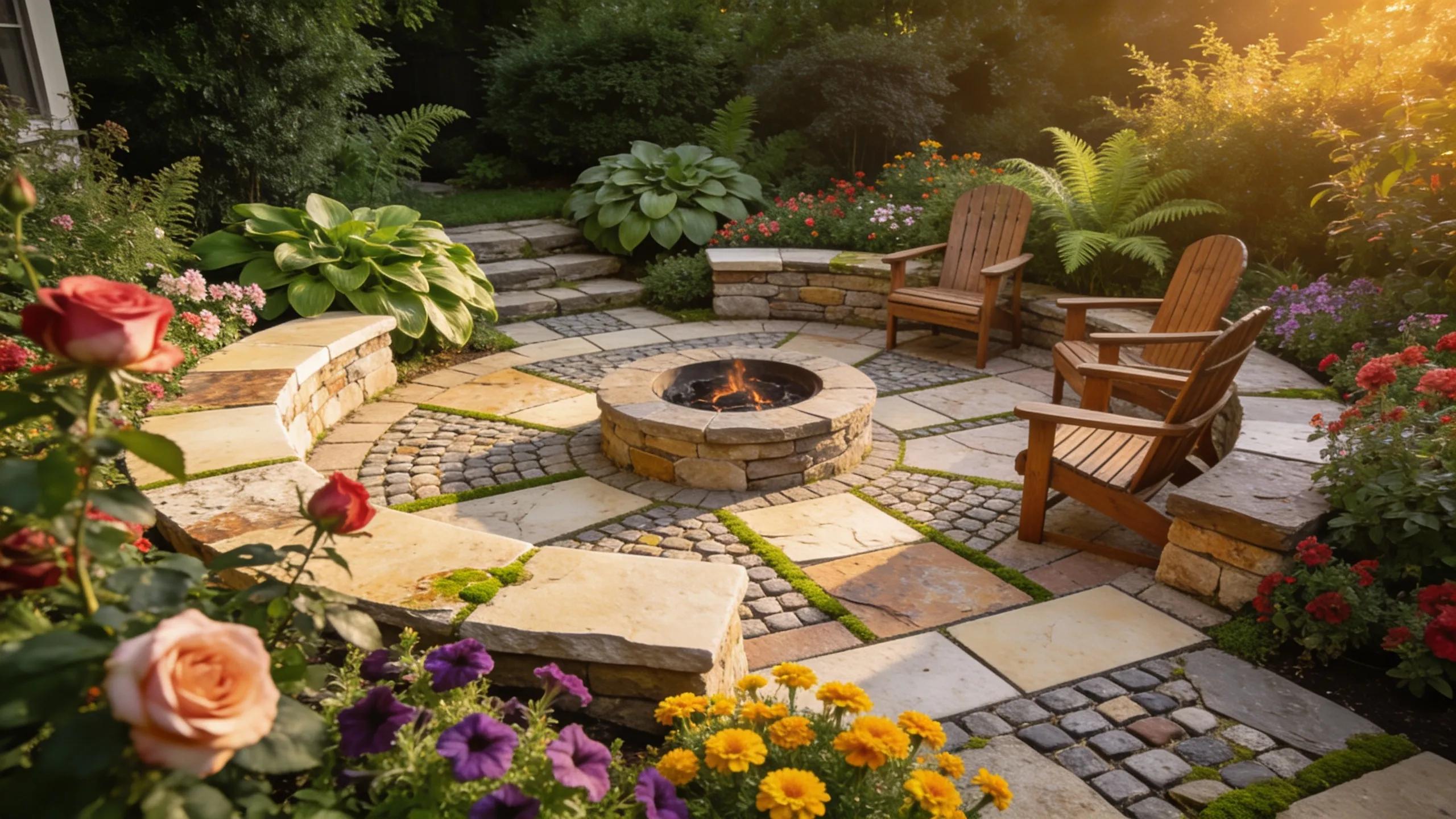
Paver Patio Cost Breakdown: Bulk Materials Pricing and Installation Insights by the Square Foot
A paver patio makes your yard look better and work harder. Knowing bulk material costs helps homeowners and contractors plan their budget. This article breaks down the materials, cost per square foot, and the installation steps. You’ll find clear answers to common questions and practical tips to help you plan your project. Sections cover essential materials, cost estimates, site prep, and delivery logistics.
- Building a paver patio requires key bulk materials including a stable base, bedding layer, and pavers.
- Crushed stone, dense grade aggregate, and recycled concrete aggregate are ideal stones for a stable patio base.
- Concrete sand serves as a bedding layer that ensures level pavers and proper drainage.
- Bulk material costs vary, with crushed stone and sand typically priced between $30 and $50 per cubic yard.
- Topsoil costs range from $15 to $60 per cubic yard and support site preparation and landscaping.
- Site preparation involves excavation, layering crushed stone and sand, and compacting each layer for stability.
- Proper topsoil placement before paving ensures correct elevation, drainage, and supports surrounding plant growth.
- Local bulk material delivery offers benefits like same-day service, expert advice, and competitive pricing.
- DIY paver installation is feasible by ordering bulk materials and accurately estimating required quantities.
What Are the Main Bulk Materials Needed for a Paver Patio?
For a long-lasting, good-looking patio you need three main things: a solid base, a bedding layer, and the pavers. Each part helps the patio stay level, drain water, and resist movement over time.
Which Stone Types Are Best for Paver Patio Bases?
Choosing the right base stone matters for stability and drainage. Here are the top options you’ll see used on most jobs.
- Crushed Stone (¾” or ⅝”): This type of stone provides a stable and compact base, excellent drainage, and supports heavy loads, making it ideal for paver patios.
- Dense Grade Aggregate (DGA): A mix of stone dust and crushed stone, DGA compacts very well, creating a solid foundation that prevents shifting over time.
- Recycled Concrete Aggregate: This eco-friendly option is cost-effective and offers good drainage and stability, making it a popular choice for environmentally conscious projects.
How Does Concrete Sand Support Paver Installation?
Concrete sand is the thin bedding layer under the pavers. It helps keep the pavers level and lets water drain away so the patio won’t settle unevenly. A proper sand layer gives the patio a longer life. For details on types and uses, see our concrete sand options.
How Much Do Bulk Landscape Materials Cost Per Square Foot?
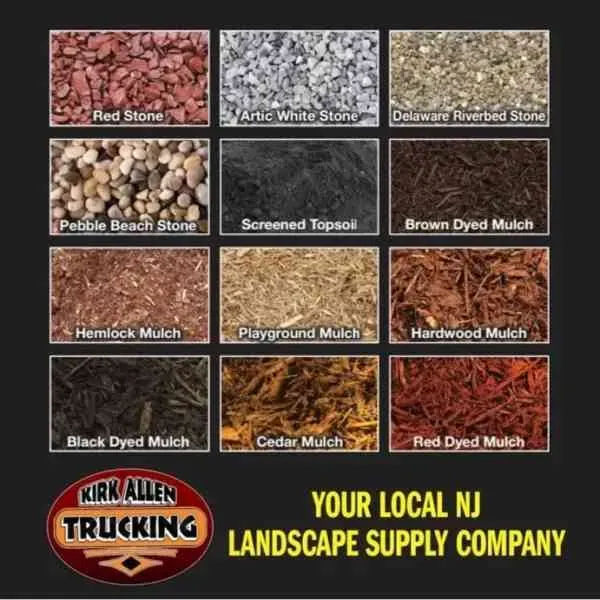
Knowing material costs helps you set a realistic budget for a paver patio. Prices change with material type, quality, and local demand. Below we list common materials and typical costs. When choosing materials, look at the range of stone options for bases and decorative uses.
What Is the Price Range for Crushed Stone and Sand?
Crushed stone and sand usually cost about $30 to $50 per cubic yard. Quality, transport, and local demand affect the price. Higher-quality stone will be at the top end of that range.
How Does Topsoil Factor Into Patio Preparation Costs?
Topsoil helps level the site and supports plants around the patio. Bulk topsoil typically costs between $15 and $60 per cubic yard, depending on quality and supplier. For large jobs, check both quantity and soil quality before you order. Learn more about topsoil and fill.
What Are the Steps to Prepare Your Site Using Bulk Materials?
Good site preparation stops problems later. Taking the time to prep the area makes the patio stronger and keeps it looking good for years.
How to Use Stone and Sand Layers for a Stable Base?
Follow these steps to build a stable base:
- Excavate the Area: Remove any existing grass, plants, or debris to create a clean workspace.
- Layering Techniques: Start with a layer of crushed stone, compacting it thoroughly. Follow with a layer of concrete sand, which should also be leveled and compacted.
- Compaction Methods: Use a plate compactor to ensure each layer is tightly packed, providing a solid foundation for the pavers.
Why Is Proper Topsoil Placement Important Before Paving?
Putting topsoil in the right spot before paving sets the correct height and helps water flow away from the patio. It also gives plants a better chance to grow and prevents low spots where water can collect and move pavers.
How Does Bulk Material Delivery Work in Northern New Jersey?
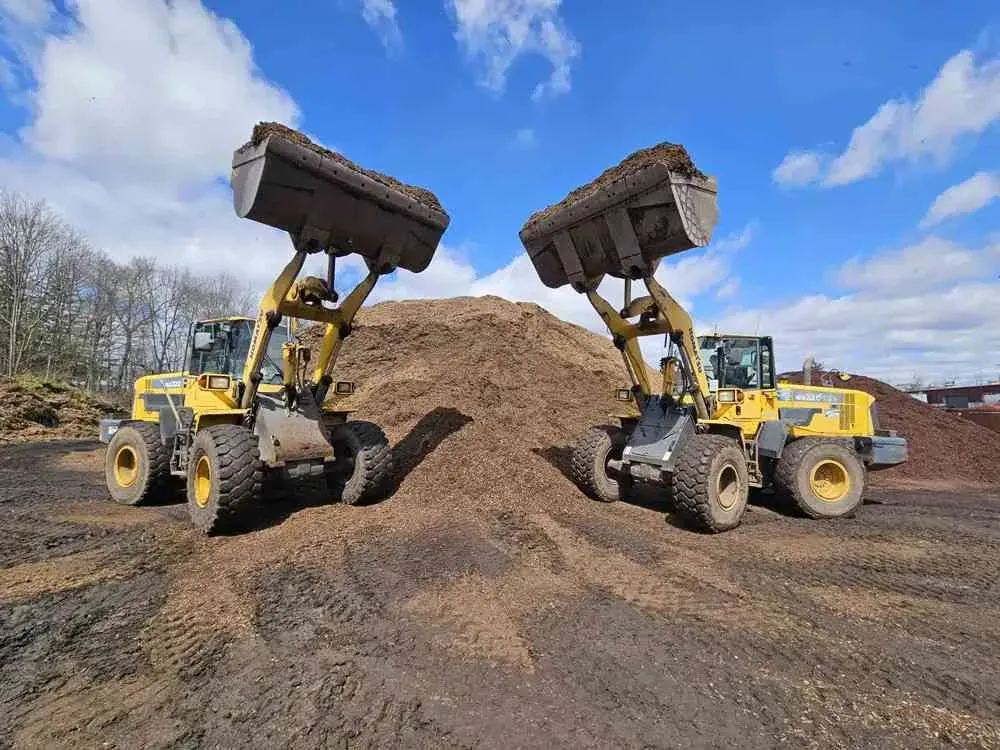
Timing and delivery matter for a smooth project. Good delivery saves time and gets materials when you need them. Many homeowners also order mulches and other bulk landscaping products with their patio materials.
What Are the Benefits of Local Delivery from Kirk Allen Landscape Supply?
Local delivery gives clear benefits you can use on the job:
- Same-Day Delivery Options: Quick turnaround times can help keep your project on schedule.
- Local Expertise: Knowledgeable staff can assist in selecting the right materials for your specific needs.
- Competitive Pricing: Local suppliers often offer better rates compared to larger, national chains.
How to Schedule and Estimate Delivery Costs for Bulk Materials?
Use these tips when you book delivery:
- Factors Affecting Delivery Costs: Distance, weight of materials, and delivery time can all impact costs.
- Scheduling Tips: Plan your delivery for a time when you can be present to receive the materials and check for accuracy.
- Examples of Delivery Arrangements: Many suppliers offer flexible scheduling options, including same-day or next-day delivery.
What Are Common Questions About Paver Patio Material Costs?
Homeowners and contractors often ask the same questions about material amounts and costs. The answers below help you estimate materials and plan the job.
How Much Sand Is Needed for a 100 Square Foot Patio?
For a 100 square foot patio, expect about 1 to 2 cubic yards of sand, depending on how thick the sand layer is. A one-inch layer over 100 square feet equals roughly 0.33 cubic yards.
Can I Order Bulk Materials for DIY Paver Installation?
Yes. Ordering bulk materials for a DIY install is practical. Pick the materials you need and schedule delivery. Make sure you estimate quantities well to avoid extra costs or delays.
Frequently Asked Questions
What Is the Ideal Thickness for a Paver Patio Base?
A compacted base of about 4 to 6 inches of crushed stone is commonly recommended. That depth supports the pavers, handles weight, and helps water drain away. Too little base can cause shifting over time.
How Long Does It Take to Install a Paver Patio?
Time varies by size and design. A typical 200 square foot patio usually takes one to three days to install, including prep and laying the pavers. Larger or more complex projects take longer. Weather can also affect the schedule.
Are There Patterns I Can Use When Laying Pavers?
Yes. Popular patterns include herringbone, basketweave, and running bond. Each pattern gives a different look and may suit certain paver types better. Lay out sample patterns before you start to see what you like.
How Do I Maintain My Paver Patio?
Keep your patio clean with a broom or pressure washer. Apply a paver sealant every few years to protect against stains and fading. Check joints for weeds or lost sand and refill them as needed to keep the surface stable.
Can Weather Conditions Affect Paver Installation?
Yes. Dry, moderate weather is best. Rain makes digging and compaction harder, and cold can affect materials like concrete sand. Plan work for stable weather to get the best results.
What Should I Do If My Pavers Start to Shift?
If pavers shift, lift the affected pieces and inspect the base. You may need to recompact the base and add more sand. Reset the pavers and refill the joints with polymeric sand to help prevent future movement. Regular checks catch problems early.
Conclusion
A paver patio boosts your outdoor space and can add lasting value to your property. Know the costs and site prep for materials like crushed stone, sand, and topsoil. Using quality bulk materials and proper preparation helps ensure a durable patio. Start planning your project today by exploring our resources and material options.