
DIY vs. Hiring a Pro for a Paver Patio: Clear Material Cost Comparison for NJ Homeowners and Contractors
Deciding whether to do a paver patio yourself or hire a pro can feel overwhelming for homeowners and contractors. This guide compares material costs for a paver patio in New Jersey so you can pick the best path. We cover the materials you’ll need, typical labor costs, common DIY mistakes, and signs it makes sense to hire a contractor. After reading, you’ll have a clear view of the costs and the right approach for your project.
- The average material cost for a paver patio in New Jersey ranges from $12 to $25 per square foot.
- Concrete pavers cost between $3 and $15 per square foot, while natural stone ranges from $5 to $30 per square foot.
- Polymeric sand, essential for joint stabilization, costs approximately $10 to $20 per ton.
- DIY projects allow flexible material sourcing but may face challenges in quality and availability.
- Professional contractors in New Jersey charge labor rates between $50 and $125 per hour.
- Hiring professionals can prevent costly mistakes and ensure efficient, high-quality patio installation.
- Improper base preparation in DIY projects often leads to uneven settling and increased repair costs.
- Contractors optimize material use, reduce waste, and provide warranties for installation quality.
- Durable materials like concrete pavers and natural stone withstand New Jersey’s weather and require regular maintenance.
What Are the Material Costs for Building a Paver Patio in NJ?
Material costs change with the type of pavers and whether you do the work or hire help. In New Jersey, expect materials to run about $12 to $25 per square foot. Below we break down the main materials and where you can source them.
Which Stone and Sand Materials Are Essential for Patio Construction?
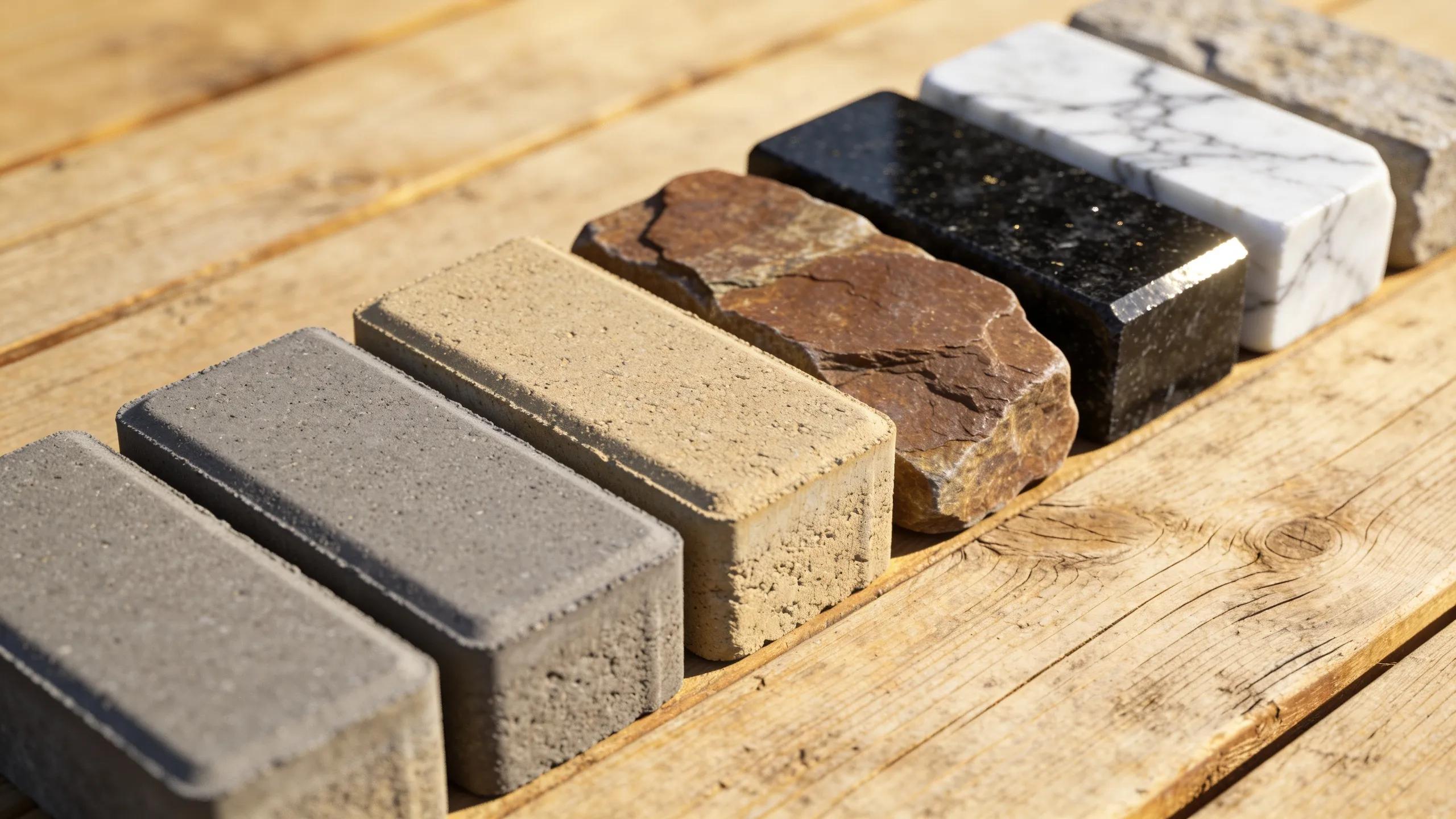
A few key materials give a patio strength and a good look. The main items include the pavers themselves, base materials, and joint sand. The list below shows the common options and their roles.
- Concrete Pavers: These are popular for their durability and variety in design, typically costing between $3 to $15 per square foot.
- Natural Stone: This option offers a unique look and can range from $5 to $30 per square foot, depending on the type of stone.
- Polymeric Sand: Used to fill the joints between pavers, this material costs around $10 to $20 per ton.
You can source materials from local suppliers like Kirk Allen Landscape Supply for good availability and delivery options. They stock aggregates, paver base materials, and decorative stones. Their extensive stone selection can fit many landscaping projects.
How Do Material Prices Vary Between DIY and Professional Projects?
DIY projects let you shop around for better prices, but finding consistent, high-quality material can be harder. Professionals often get bulk pricing and access to specialty items through supplier relationships. You can find bedding sand and polymeric sand at competitive prices from specialised suppliers, such as sand vendors who serve contractors.
The table shows cost ranges and typical sources so you can compare DIY savings with the benefits of professional sourcing.
How Do Labor Costs Affect the Total Price of a Paver Patio Installation?
Labor can add a large portion to the final price. Knowing typical labor costs helps you weigh the DIY route against hiring a contractor.
What Are Typical Labor Rates Charged by NJ Patio Contractors?
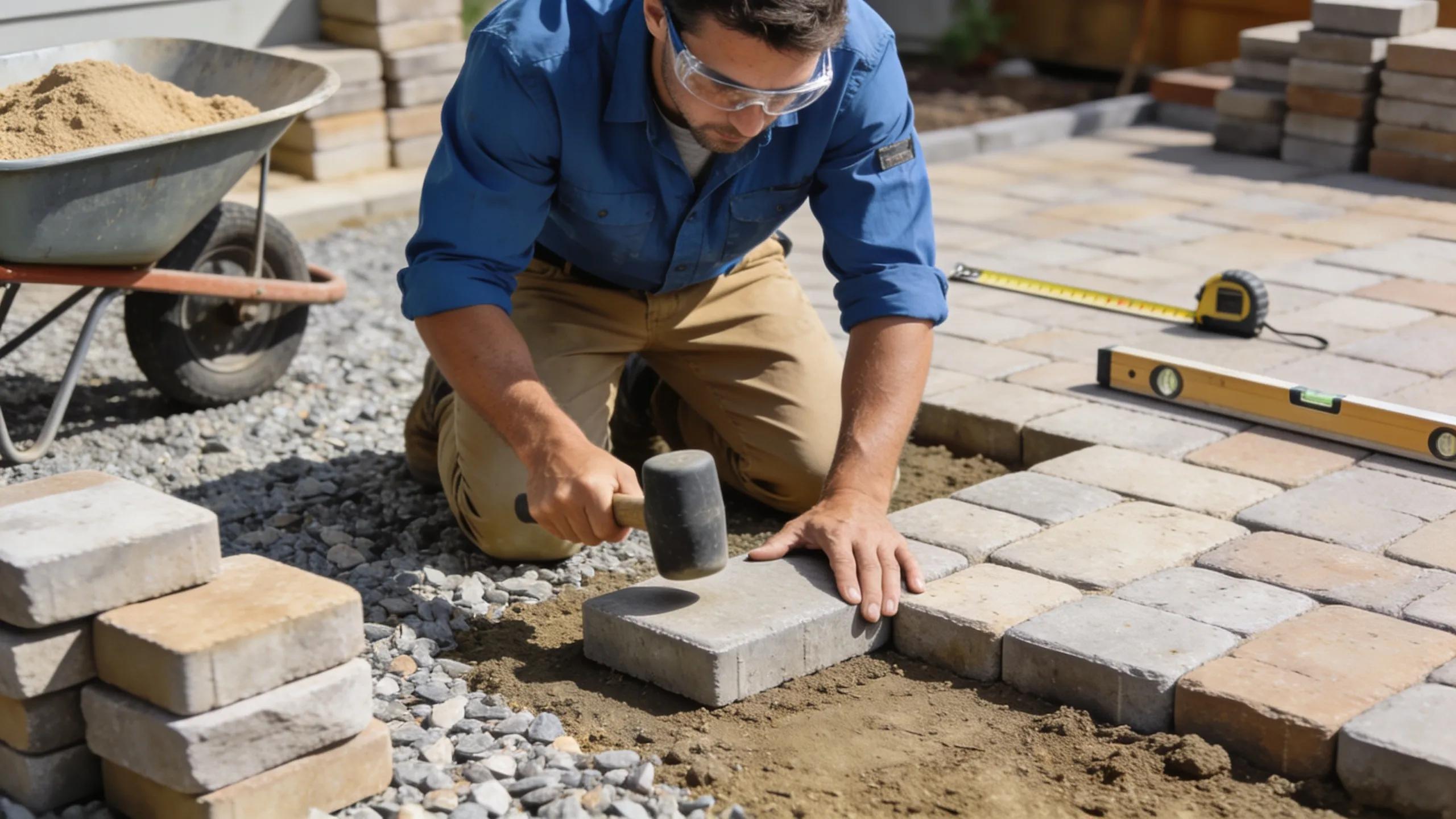
In New Jersey, patio labor usually runs $50 to $125 per hour. Rates depend on the contractor’s experience, the job’s complexity, and the local market. Hiring a pro helps ensure the work is done correctly, which can save money over time.
How Does Hiring a Pro Compare to DIY Labor Investment?
Pros cost more up front but cut down on mistakes and finish faster. DIY work takes extra time and can lead to rework. For jobs needing grading or large amounts of fill, contractors often source quality topsoil and fill efficiently.
What Common DIY Mistakes Impact Material Costs and Project Quality?
DIY projects can be satisfying but carry risks. Knowing common mistakes helps you avoid extra costs and poor results.
How Can Improper Base Preparation Increase Expenses?
A weak or poorly prepared base is a frequent, costly error. If the base isn’t compacted and the site lacks proper drainage, pavers can settle and shift, leading to repairs. A well-compacted gravel base and clear drainage are key to a long-lasting patio.
What Are Tips to Avoid Costly Errors When Installing Your Own Patio?
To avoid common pitfalls, consider the following tips:
- Plan Thoroughly: Create a detailed plan that includes measurements and material lists.
- Invest in Quality Materials: Using high-quality pavers and base materials can save you money in the long run.
- Seek Professional Advice: Consulting with experts can provide valuable insights and help you avoid mistakes.
Follow these steps to improve your DIY results and keep repair costs low.
When Does Hiring a NJ Patio Contractor Make Financial Sense?
DIY can save money, but some situations make a contractor the better financial choice. Complex layouts, heavy grading, or tight timelines often justify hiring pros.
What Benefits Do Professionals Offer Beyond Material Supply?
A pro brings benefits beyond just the materials:
- Expertise in Material Selection: Professionals can recommend the best materials for your specific project needs.
- Efficiency in Project Completion: Experienced contractors can complete the project more quickly and with fewer errors.
- Quality Assurance and Warranties: Many contractors offer warranties on their work, providing peace of mind.
How Can Contractors Help Optimize Material Use and Reduce Waste?
Contractors estimate material needs accurately, which cuts waste and saves money. They use proven methods to limit excess and can source bulk items like mulches or fill dirt for site prep when needed.
How Should You Plan for Maintenance and Longevity Costs of Your Paver Patio?
Think about maintenance when you pick materials. Planning upkeep up front helps your patio last longer and keeps future costs down.
What Materials Offer the Best Durability for NJ Outdoor Conditions?
Concrete pavers and natural stone stand up well to New Jersey weather and freeze-thaw cycles. Regular cleaning and periodic sealing will extend their life.
How Do Maintenance Needs Differ Between DIY and Professionally Installed Patios?
Professionally installed patios often need less early repair because the site prep is done right. Contractors can suggest the right care; DIYers should follow a clear maintenance schedule to avoid issues.
Frequently Asked Questions
What factors should I consider when choosing between DIY and hiring a contractor for a paver patio?
Think about your skill level, the time you have, and your budget. DIY may save money but takes time and physical work. A contractor brings experience and can avoid common mistakes. Compare the long-term benefits of hiring a pro to the savings of a DIY approach, especially for complex jobs.
How long does a typical paver patio installation take?
Time varies with size and whether you hire help. A DIY patio can take a few days to several weeks. Contractors can often finish similar projects in days. Weather and site prep affect the timeline.
Is it possible to install a paver patio in the winter?
You can install a patio in winter, but cold temperatures make material setting harder and raise the chance of mistakes. Professionals have techniques for working in cold weather; DIYers may find it tougher. If you work in winter, pick pavers suited for cold and plan for proper mixing and curing.
What types of pavers are most recommended for a residential patio in NJ?
Concrete pavers and natural stone are top picks for New Jersey homes. Concrete is durable and comes in many styles. Natural stone gives a distinct look but can cost more. Choose based on budget, appearance, and how much upkeep you want.
How can I maintain my paver patio for longevity?
Keep the patio clear of debris and weeds, seal the surface now and then, and reset any shifted pavers. Reapply polymeric sand in the joints to limit weed growth and lock the pavers in place. Set a seasonal routine based on local weather.
Are there specific permits required for installing a paver patio in NJ?
You may need permits depending on local rules. Many towns require permits for hardscaping to meet zoning and safety standards. Check with your local building department before you start to avoid fines and make sure the work follows local rules.
Conclusion
Choosing DIY or hiring a pro affects both cost and the final result. Knowing material and labor costs helps you plan within your budget. Whether you do the work yourself or hire experts, weighing the benefits and risks will guide you to a successful patio. Browse our resources for more tips on building a great outdoor living space.