
Building a Patio and Retaining Wall Together: Full Material Checklist
By Louie Paracuelles, Kirk Allen Landscape Supply
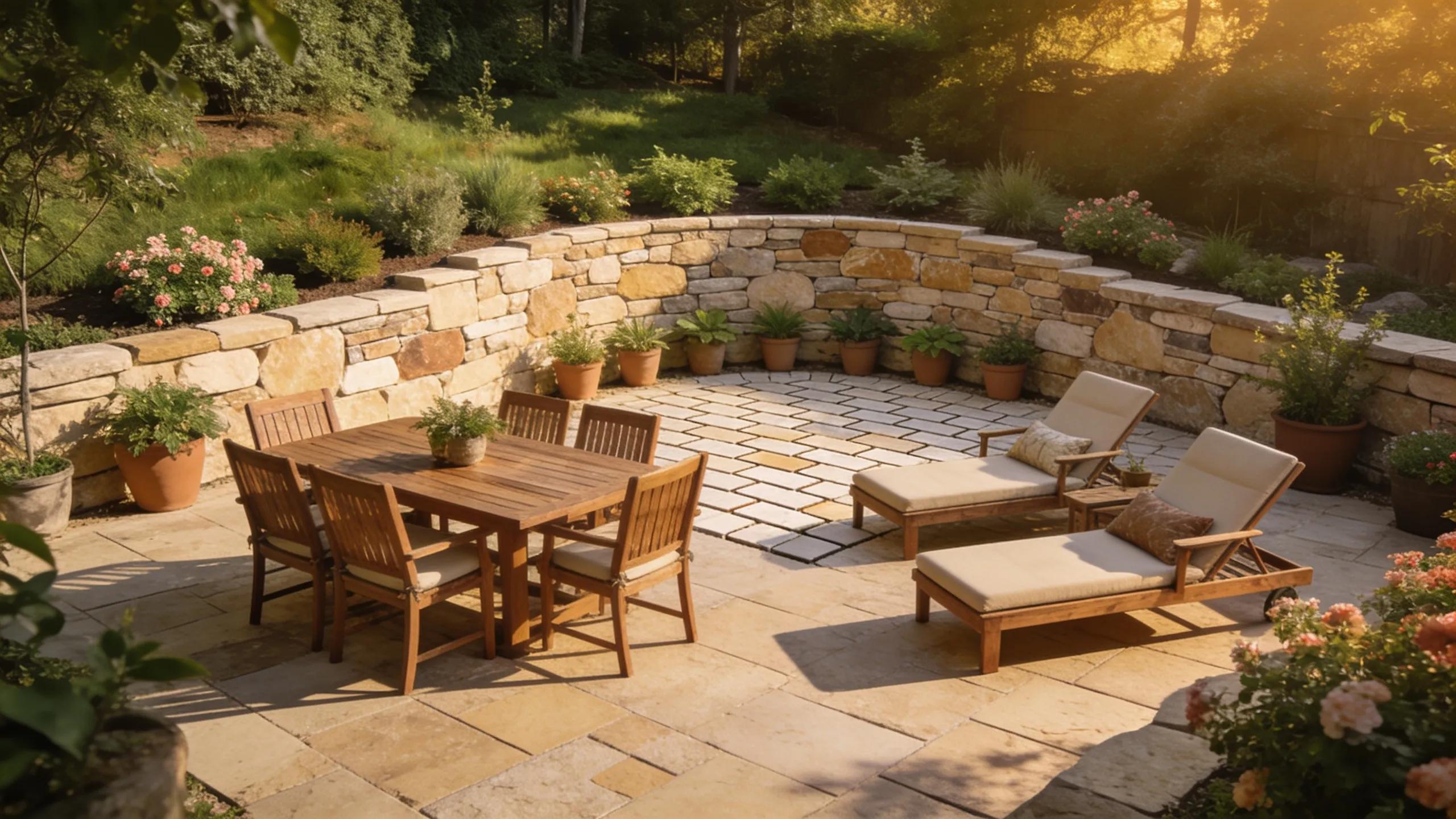
A patio and retaining wall can lift your yard’s use and looks. Success comes down to good planning and the right materials. This guide lists what you need so your project stays strong and looks great. Many homeowners pick the wrong materials and end up fixing problems later. Knowing the key parts and where to get quality supplies helps you avoid those mistakes. We cover the material checklist, must-have items for both projects, prep tips, local supply options, and mistakes to avoid.
- Building a patio and retaining wall requires specific base, surface, and drainage materials for durability and stability.
- Concrete sand, mason sand, and gravel form a solid, well-draining base essential for patio longevity.
- Choosing appropriate pavers and installation methods prevents shifting, cracking, and extends patio lifespan.
- Retaining walls need sturdy blocks, drainage stones, and geotextile fabric to maintain structural integrity and prevent erosion.
- Proper base preparation and drainage planning are critical to avoid water accumulation and structural damage.
- Local suppliers like Kirk Allen Landscape Supply offer quality materials that support timely delivery and expert advice.
- Accurately estimating material quantities and verifying quality standards help avoid project delays and costly mistakes.
- Investing in quality materials balances cost with long-term durability and aesthetic appeal for patios and retaining walls.
Material Checklist for Building a Patio and Retaining Wall
Before you start, make a clear list of materials. That keeps work moving and cuts down delays. Essentials include base materials, surface materials, wall blocks, drainage items, and the right tools.
- Base Materials: Gravel, sand, and fill dirt are foundational for both patios and retaining walls.
- Surface Materials: Pavers, natural stone, or concrete slabs for the patio surface.
- Retaining Wall Blocks: Choose from various types of blocks designed for stability and aesthetics.
- Drainage Solutions: Drainage gravel and geotextile fabric to prevent water accumulation.
- Tools: Essential tools such as shovels, levels, and compactors for proper installation.
When you have these items ready, the build goes smoother and you spend less time waiting for deliveries.
What Materials Are Essential for Patio Construction?
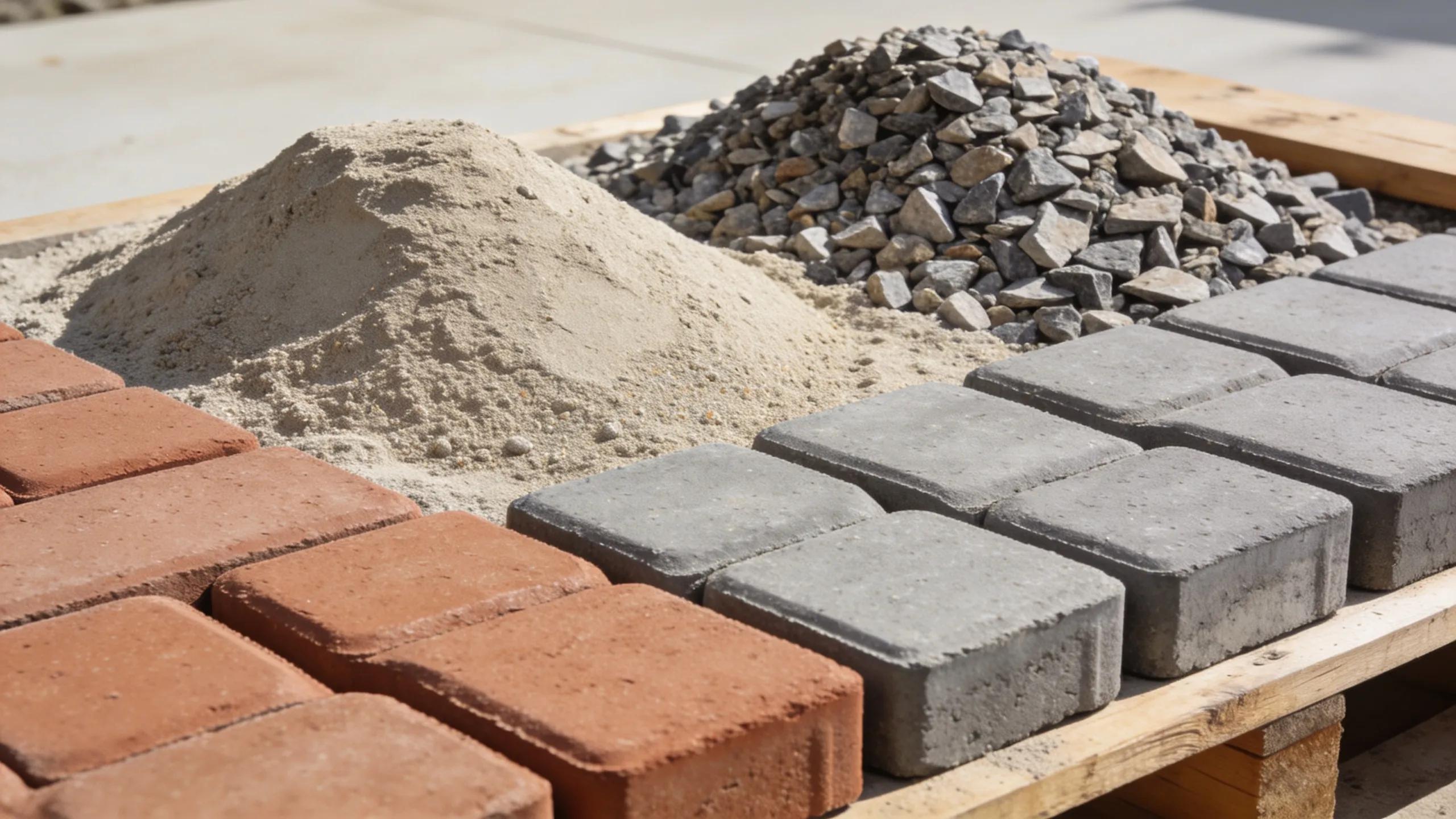
A sturdy patio depends on a few key materials. Get the right pavers, a solid base of sand and gravel, and edging to keep everything in place. These parts work together to make the surface last and look good.
- Pavers: Available in various styles, including concrete and natural stone, pavers are a popular choice for patio surfaces due to their durability and aesthetic appeal.
- Base Materials: A solid base is crucial for patio longevity. Concrete sand and gravel provide excellent support and drainage.
- Edging Materials: To maintain the shape of your patio, consider using edging stones or landscape fabric.
Which Types of Stone and Sand Are Best for Patio Bases?
Pick base materials that give support and drain well. Concrete sand, mason sand, and gravel are common choices. Each has a job: leveling, filling joints, or letting water move away from the patio.
- Concrete Sand: Ideal for leveling and providing a stable base, concrete sand is coarse and allows for proper drainage.
- Mason Sand: Finer than concrete sand, mason sand is often used for filling gaps between pavers and providing a smooth finish.
- Gravel: A versatile option, gravel can be used as a base layer to enhance drainage and stability.
Use the right mix of these materials and compact them well. That gives you a solid base that won’t settle or wash away.
How Do Pavers and Surface Materials Affect Patio Durability?
Your choice of pavers and how you install them decide how long the patio lasts. Strong materials plus the right base and jointing stop movement and cracks. Regular care keeps the surface looking good for years.
- Material Type: Concrete pavers are known for their strength and resistance to weathering, while natural stone offers unique aesthetics but may require more maintenance.
- Installation Method: Proper installation techniques, including the use of a solid base and appropriate jointing materials, are essential for preventing shifting and cracking.
- Maintenance: Regular cleaning and sealing can extend the life of your patio, regardless of the materials used.
What Materials Do You Need for Retaining Wall Construction?
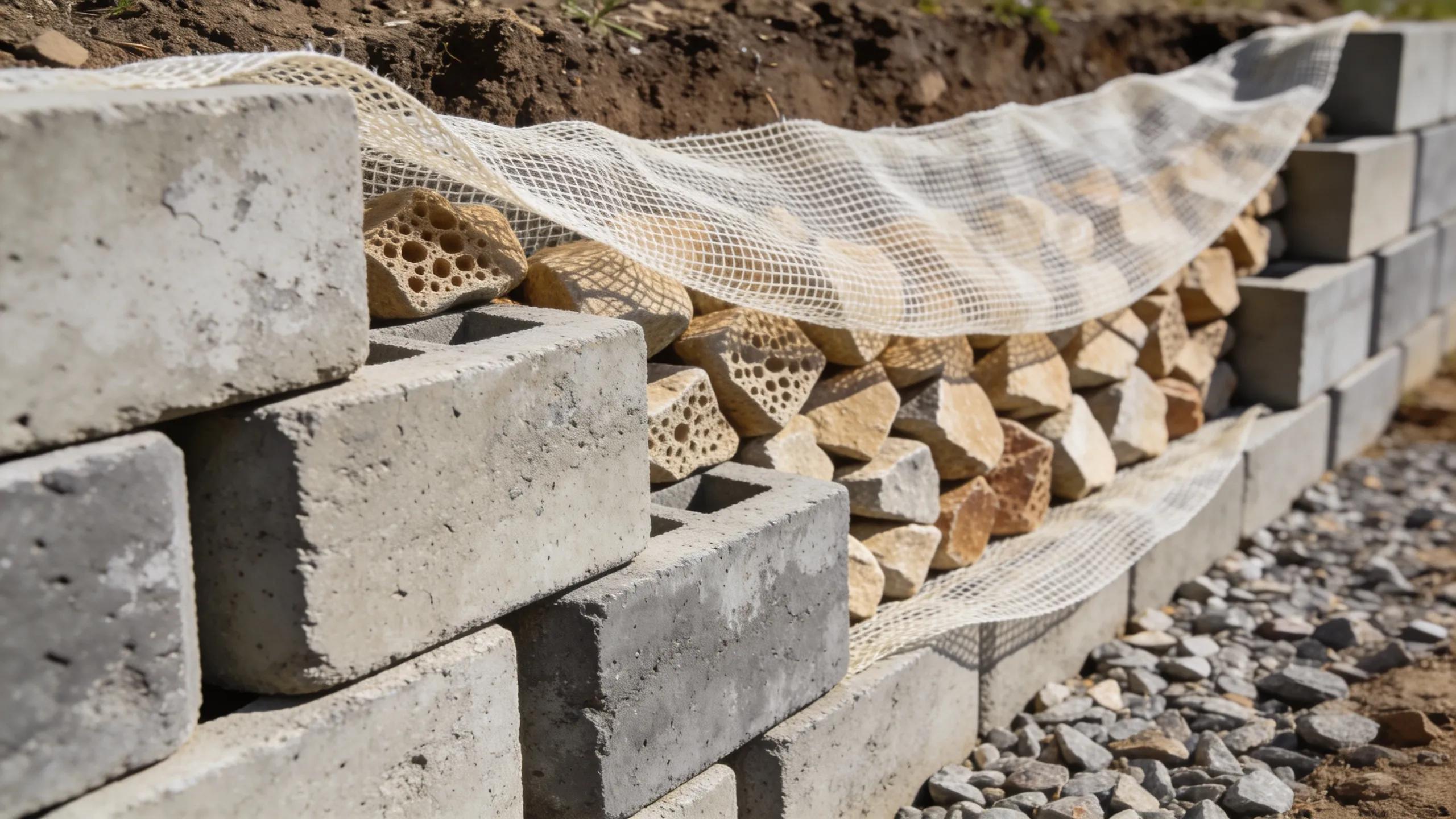
Retaining walls need materials that handle soil pressure and water. Good blocks, proper drainage stone, and geotextile fabric help the wall stand up to the load behind it and stop erosion.
- Retaining Wall Blocks: These blocks are designed to withstand the pressure of soil and water, making them essential for any retaining wall.
- Drainage Stones: Proper drainage is critical to prevent water buildup behind the wall, which can lead to structural failure.
- Geotextile Fabric: This fabric helps separate soil from drainage materials, enhancing stability and preventing erosion.
What Are the Best Retaining Wall Blocks and Drainage Stones?
Choose wall blocks that match the load and the look you want. Concrete blocks are durable; natural stone adds a classic look but needs careful fitting. For drainage, use larger drainage gravel so water can move freely.
- Concrete Blocks: Durable and available in various styles, concrete blocks are a popular choice for retaining walls.
- Natural Stone Blocks: For a more aesthetic appeal, natural stone blocks can be used, though they may require more careful installation.
- Drainage Gravel: Typically larger than standard gravel, drainage gravel allows water to flow freely, reducing pressure on the wall.
How Does Geotextile Fabric Support Retaining Wall Stability?
Geotextile fabric keeps soil and drainage stone separate so the drainage can work. That limits erosion and helps water flow through while keeping soil where it belongs. It’s a simple item that improves wall performance.
- Separation of Materials: By preventing soil from mixing with drainage materials, geotextile fabric helps maintain the effectiveness of the drainage system.
- Erosion Control: The fabric stabilizes the soil, reducing the risk of erosion that can compromise the wall’s structure.
- Improved Drainage: By allowing water to flow through while keeping soil in place, geotextile fabric enhances the overall drainage system behind the wall.
How Should You Prepare the Base and Drainage for Patios and Retaining Walls?
Good base work and drainage are the main reasons structures last. Pick the right gravel and sand, compact layers firmly, and plan how water will move away from the build. That prevents many common failures.
- Base Material Selection: Choose appropriate materials such as gravel and sand to create a stable foundation.
- Drainage Planning: Ensure that drainage solutions are in place to prevent water accumulation, which can lead to structural issues.
Why Is Proper Drainage Critical Behind Retaining Walls?
Water behind a wall adds pressure and can cause the wall to fail. Good drainage keeps water moving away, protects the structure, and cuts down on erosion and mould problems.
- Prevention of Water Accumulation: Water buildup can exert pressure on the wall, leading to potential failure.
- Avoiding Structural Damage: Proper drainage helps maintain the integrity of the wall and surrounding landscape.
- Mold and Erosion Control: By managing water flow, you can prevent mold growth and soil erosion that can compromise the wall’s stability.
What Base Materials Ensure Long-Lasting Patio and Wall Foundations?
Gravel, sand, and fill dirt are the go-to materials. Gravel gives drainage and strength, sand levels the surface, and compacted fill dirt raises and firms up the base where needed.
- Gravel: Provides excellent drainage and stability, making it ideal for both patios and retaining walls.
- Sand: Used in conjunction with gravel, sand helps create a level surface for pavers.
- Fill Dirt: Essential for raising the base level, fill dirt can be compacted to provide a solid foundation.
Where Can You Source Quality Landscaping Materials Locally in Bucks County?
Buying local saves time and keeps your project on schedule. Local suppliers often know regional soil and weather, so they can recommend materials that work best here.
What Products Does Kirk Allen Landscape Supply Offer for Patios and Walls?
Kirk Allen Landscape Supply stocks common materials homeowners and contractors need, like mulch, topsoil, and decorative stone. These items help with planting, leveling, and finishing hardscape projects.
- Mulch: Available in different types for aesthetic and functional purposes.
- Topsoil: Essential for creating a healthy base for planting.
- Decorative Stone: Ideal for enhancing the visual appeal of patios and walls.
For specific product details and selection, you can explore their offerings for mulch, topsoil, and decorative stone. These materials are crucial for achieving both the functional and aesthetic goals of your landscaping projects.
How Does Local Availability Improve Project Convenience and Timing?
Local suppliers help your project stay on schedule with faster deliveries and advice tuned to local conditions. They also keep things simple—less waiting, fewer surprises, and support from people who know the area.
- Timely Delivery: Local sourcing ensures that materials arrive when needed, reducing project delays.
- Expert Advice: Local suppliers can provide insights and recommendations based on regional conditions.
- Community Support: Supporting local businesses fosters community growth and sustainability.
What Common Mistakes Should You Avoid When Choosing Materials?
Choosing wrong materials or not ordering enough slows projects and costs more in fixes. Check quantities, inspect material quality, and plan delivery so work keeps moving.
- Underestimating Material Quantities: Always calculate the amount of material needed to avoid shortages.
- Neglecting Quality Verification: Ensure that materials meet quality standards to prevent future issues.
- Ignoring Delivery Logistics: Plan for the delivery of materials to avoid delays in your project timeline.
How Do Material Choices Impact Cost Versus Durability?
Cheap materials can save money short-term but often cost more later in repairs. Spending a bit more on solid materials usually gives you longer life and better looks, which pays off over time.
- Cost Implications of Low-Quality Materials: Cheaper materials may save money upfront but can lead to higher long-term costs due to repairs and replacements.
- Long-Term Durability Considerations: Investing in quality materials often results in a more durable and reliable structure.
- Value of Investing in Quality: Quality materials can enhance the overall appearance and longevity of your patio and retaining wall.
What Are Typical Pitfalls in Patio and Retaining Wall Material Selection?
Common errors include wrong quantity estimates, not checking material specs, and picking the cheapest option without thinking about long-term value. Take time to measure and compare before you buy.
- Underestimating Quantities: Always measure accurately to ensure you have enough materials.
- Verifying Material Quality: Check for certifications and quality standards before purchasing.
- Comparing Prices Effectively: Don’t just choose the cheapest option; consider the long-term value of your materials.
For base work, the type of sand matters. The right sand with gravel and fill dirt makes a stable, well-draining foundation that helps avoid settling and other problems later.
Frequently Asked Questions
What are the best practices for measuring materials needed for my project?
Measure the patio or wall area carefully—length times width for rectangles, use the radius for circles. Check material guides to see how much you need per square foot and add a small extra percent for cuts and waste. That keeps you from running short.
How can I ensure proper drainage around my patio and retaining wall?
Grade the area so water runs away from the patio and wall. Use drainage gravel behind walls and consider perforated pipe if needed. Adding a channel or French drain can help move water off the site and lower pressure behind the wall.
Are there any environmentally friendly options for patio and wall materials?
Yes. Recycled stone and reclaimed pavers reduce waste, and permeable pavers let water soak through instead of running off. Ask suppliers about sustainable choices and pick plants that suit local conditions to support biodiversity.
How does seasonal weather affect my construction project?
Wet or frozen ground makes installation harder. Aim for dry weather and mild temperatures so bases compact properly and materials set right. Plan around seasons to avoid delays and possible damage during install.
What maintenance steps should I take for my patio and retaining wall after construction?
Keep surfaces clean and reseal when needed. Watch for shifting stones or pavers and reset them quickly. Clear drainage paths so water keeps flowing. Small fixes now stop bigger problems later.
How can I effectively coordinate my landscaping projects to match my patio and retaining wall?
Choose plants and hardscapes that share colours and textures. Native plants cut down on upkeep. Add lighting and paths that tie the areas together so your outdoor space feels planned and welcoming.
Conclusion
Building a solid patio and retaining wall gives your yard more use and lasting good looks. Pick quality materials, plan the base and drainage, and you’ll avoid most common problems. See our selection of premium landscaping materials to get started on your project.