Buying Bulk Hardscaping Materials by the Yard vs. by the Ton: Clear Guidance for Homeowners and Contractors
Buying bulk hardscaping materials can feel confusing, especially when choosing between yards and tons. Knowing how materials are measured, what they cost, and how they differ will help you pick the right option for your project. This guide walks through material types, cost comparisons, and the key points to consider. After reading, you’ll know how to plan and order the right amount for your job.
We cover material types and when to use them, a clear cost comparison, the perks of buying bulk, and common mistakes to avoid. We also look at local availability and how to calculate material needs so you can order the right amount.
- Buying bulk hardscaping materials by the yard measures volume, while buying by the ton measures weight.
- Gravel, topsoil, and mulch each serve specific landscaping purposes and vary in density and cost.
- Purchasing materials in bulk often reduces the price per unit, offering cost savings for larger projects.
- Accurate calculations of material volume and density prevent overbuying or underestimating needed quantities.
- Choosing between yard or ton purchases depends on project size, material type, and local supplier options.
- Bulk buying reduces packaging waste and delivery trips, supporting more sustainable landscaping practices.
- Consulting local suppliers helps ensure correct material estimates and access to quality regional materials.
- Understanding cost differences between bulk and bagged materials aids in budgeting landscaping projects effectively.
- Common ordering mistakes include inaccurate measurements and neglecting delivery logistics, which can delay projects.
Material Types and Usage Scenarios
Different hardscaping materials do different jobs. Knowing each material’s purpose helps you get the look and function you want.
Gravel:
Gravel works for many uses and comes in several kinds suited to specific jobs:
- ¾” Clean Stone: Ideal for driveways and pathways, providing a stable surface.
- Stone Dust: Commonly used as a base for pavers, offering excellent compaction.
- Pea Gravel: Perfect for decorative landscapes and garden beds, enhancing visual appeal.
These gravel choices do practical work and shape the look of your yard. For driveways and paths, check stone and rock.
Topsoil:
Topsoil matters for healthy garden beds. It affects plant growth, ground level, and soil health.
- Soil Quality Improvement: Topsoil enriches the existing soil, promoting plant growth.
- Ground Leveling: It helps in leveling uneven ground, providing a solid foundation for landscaping.
- Nutrient-Rich: High-quality topsoil contains essential nutrients that support plant health.
Using quality topsoil makes a big difference. See our topsoil and fill options to improve your beds.
Mulch:
Mulch helps plants and keeps beds tidy. It brings several benefits:
- Moisture Retention: It helps retain soil moisture, reducing the need for frequent watering.
- Weed Suppression: A layer of mulch can prevent weed growth, saving time and effort in garden maintenance.
- Aesthetic Enhancement: Different mulch types can enhance the visual appeal of garden beds and landscapes.
Adding mulch helps plants stay healthy and makes beds look finished. Learn about our bulk mulch options.
Cost Comparison
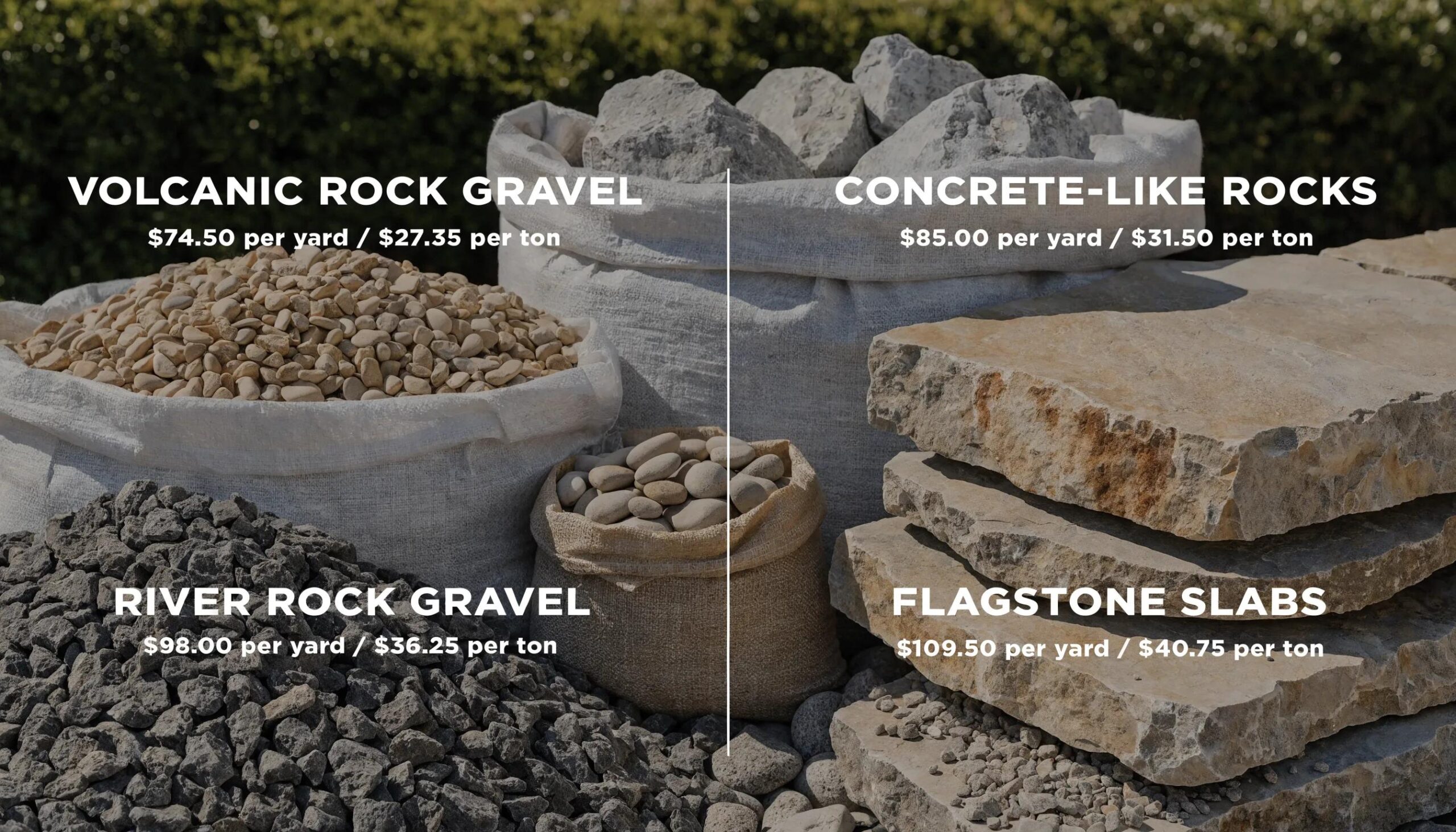
When you buy bulk, you can usually save money. Knowing the price differences between yards and tons helps you budget.
- Bulk Purchase Cost Savings: Buying materials in larger quantities often reduces the price per unit, making it more economical for larger projects.
- Price Differences: For example, bulk mulch costs approximately $30–$45 per cubic yard, while bagged mulch can exceed $70 for the equivalent volume. This stark difference highlights the financial benefits of bulk purchasing.
Compare prices and delivery costs so you get the best value for your project.
Benefits of Buying in Bulk
Buying in bulk brings real benefits for projects and budgets.
- Cost Savings: Bulk materials typically reduce the price per unit, making them more economical for larger projects.
- Convenience of Delivery: Many suppliers offer bulk delivery services, eliminating the hassle of multiple trips to the store.
- Environmental Impact: Buying in bulk reduces packaging waste, contributing to more sustainable landscaping practices.
That’s why many homeowners and contractors choose bulk—fewer trips, lower costs, and less waste.
Key Decision-Making Factors
Think about project size, material type, and local supplier options when choosing yard vs ton.
- Project Size: Larger projects often benefit from bulk purchases, while smaller tasks may be better suited for yard-based buying.
- Material Type: Different materials may have varying weight-to-volume ratios, influencing the decision on how to purchase.
- Local Supplier Advantages: Working with local suppliers can provide insights into the best purchasing options based on regional material availability and pricing.
Weighing these points helps you pick the best buying method for your project.
What Are Yard and Ton Measurements in Landscaping Materials?
A cubic yard measures volume (3 feet x 3 feet x 3 feet). A ton measures weight (2,000 pounds). Knowing both helps you order the right amount.
How Do Yard and Ton Units Different in Volume and Weight?
Yards are about volume; tons are about weight. The same volume of different materials can weigh very differently, so density matters.
Why Understanding These Measurements Matters for Your Project
Accurate measurement understanding is vital for several reasons:
- Material Selection: Choosing the right materials based on measurements ensures project success.
- Cost Estimation Accuracy: Knowing how much material is needed helps in budgeting effectively.
- Project Planning Efficiency: Accurate measurements streamline the planning process, reducing delays and complications.
When you understand measurements, you can choose the right material, estimate costs better, and plan the job with fewer delays.
How to Calculate the Right Amount of Hardscaping Material for Your Project
Measure your project, factor in material density, and add extra for compaction and waste. These steps cut waste and keep the job on track.
- Volume Calculation Methods: Use formulas to determine the volume of materials needed based on project dimensions.
- Material Density Considerations: Different materials have varying densities, which should be factored into calculations.
- Adjusting for Compaction and Waste: Always account for potential compaction and waste when estimating material needs.
What Formulas Help Convert Between Yards and Tons?
To convert between yards and tons, the following formula can be used:
- Weight (in tons) = Volume (in cubic yards) × Material Density (in tons per cubic yard)
Use that formula with the material’s density to convert yards to tons for the specific product you need.
How to Estimate Material Needs Using Local Rock Densities
You can use local rock densities to estimate amounts. For example, if gravel is 1.5 tons per cubic yard, multiply your project volume to find the weight to order.
Should You Buy Bulk Hardscaping Materials by the Yard or by the Ton?
Whether to buy by the yard or ton depends on project size and the material you need.
What Are the Benefits of Buying by the Yard?
Buying by the yard suits smaller jobs where you need a specific volume without a big bulk order.
When Is Buying by the Ton More Advantageous?
Buying by the ton often saves money for large jobs and cuts down on repeat trips.
Common Mistakes to Avoid When Ordering Bulk Landscaping Materials
Ordering bulk materials comes with common mistakes that can slow a job or add cost.
How Can You Prevent Overbuying or Underestimating Material?
To prevent overbuying or underestimating, consider the following strategies:
- Accurate Measurements: Always measure project dimensions carefully before ordering.
- Consulting with Suppliers: Engage with local suppliers for advice on material quantities based on project specifics.
Measure carefully and talk to your supplier before you order. For sand and other materials, check options like sand to get accurate estimates.
What Are Typical Ordering Errors and How to Fix Them?
Typical mistakes are ordering too little or missing delivery details. Double-check your math and confirm drop-off plans with the supplier to avoid delays.
What Local Hardscaping Materials Are Available in Rockland and Northern New Jersey?
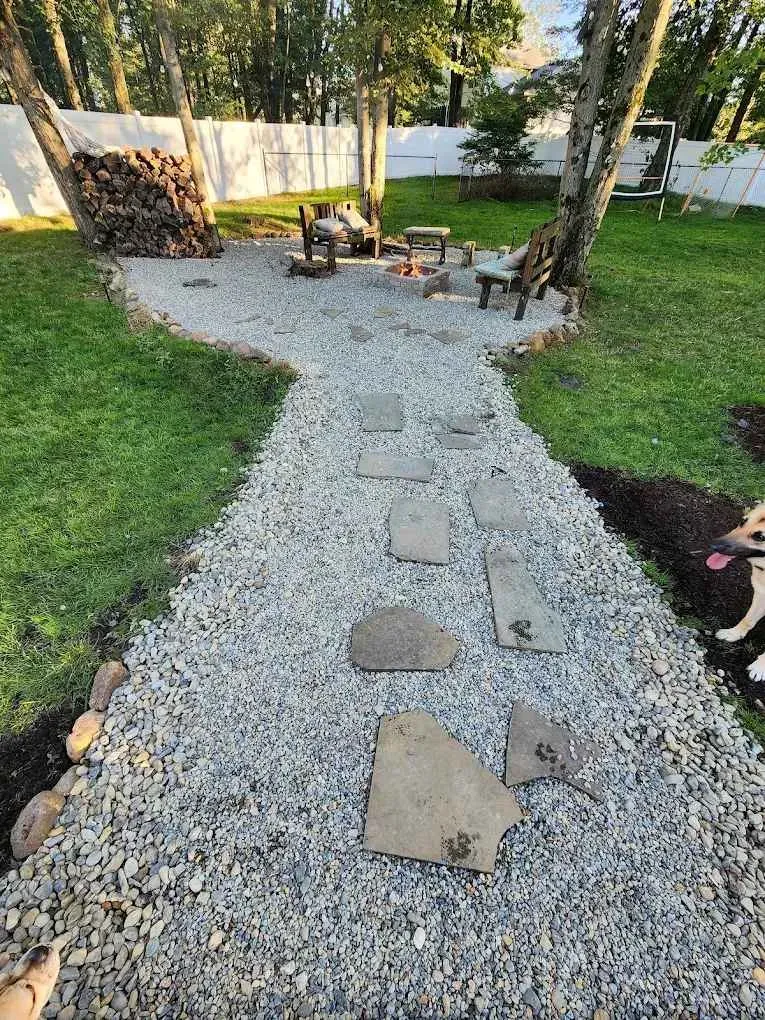
In Rockland and Northern New Jersey, you can find several local hardscaping materials suited to yards and jobs.
Which Stone and Rock Types Does Kirk Allen Landscape Supply Offer?
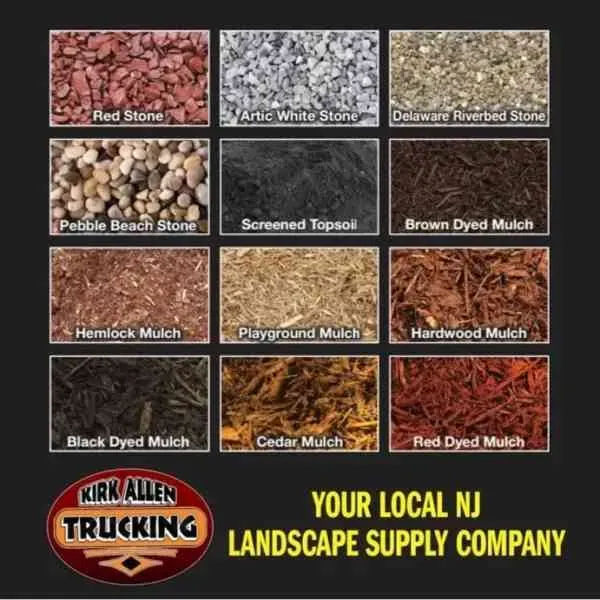
Kirk Allen Landscape Supply offers a selection of stone types, including:
- Bluestone: Ideal for patios and walkways, known for its durability and aesthetic appeal.
- River Rock: Perfect for decorative beds and drainage solutions, adding a natural touch to landscapes.
These local stones add durability and a natural look to patios, beds, and drainage areas.
How Does Local Material Quality Affect Your Project Outcome?
Good local materials last longer and look better. Poor quality can lead to extra repairs or fading. Use trusted suppliers for better results.
How Does Bulk Landscape Materials Pricing Work: Cost Per Yard vs. Cost Per Ton?
Prices per yard and per ton can vary. Material type and demand affect costs, so check both price types when budgeting.
What Factors Influence Pricing Differences Between Yard and Ton Purchases?
Several factors can influence pricing differences, including:
- Material Type Variations: Different materials have varying costs based on availability and demand.
- Market Demand Effects: Seasonal fluctuations can impact pricing, making it essential to stay informed about market trends.
How to Compare Costs Effectively for Your Landscaping Budget
Get quotes from several suppliers and include delivery fees. Compare total costs so you know the full price for your project.
Frequently Asked Questions
What Should I Consider When Choosing Between Yard and Ton Purchases?
For big projects, buying by the ton often lowers the price. Small jobs usually use yards for exact volume. Also factor in material weight-to-volume differences when choosing.
How Can Local Climate Affect My Choice of Hardscaping Materials?
Local weather affects material choice. Wet areas may need gravel for drainage; hot areas benefit from mulch to keep soil moist. Pick materials that stand up to your local conditions.
What Are the Benefits of Consulting Local Suppliers?
Talk with local suppliers — they know what works in your area, what’s available, and current prices. Their advice helps you pick durable materials and avoid mistakes.
How Is the Density of Hardscaping Materials Relevant to My Purchase?
Density matters for budgets and ordering. A cubic yard of one material can weigh more than another. Knowing density helps you order the right weight or volume.
What Factors Should I Keep in Mind for Sustainable Landscaping?
Choose local materials to cut transport, pick products that help water and soil, and plan to reduce erosion. Use permeable pavers or mulch to save water and support plant health.
What Are Some Tips for Planning My Landscape Project Efficiently?
Start with a clear design and measure carefully. Plan for delivery access and timing. Allow extra time for weather or changes so the project stays on track.
How Can I Ensure Quality When Purchasing Hardscaping Materials?
To ensure quality, pick suppliers with good reputations. Ask to see samples, read reviews, and inspect materials before you buy. Talk to experienced staff about what will hold up in your area.
Conclusion
Knowing how to buy bulk hardscaping materials helps you save money and finish projects right. Work with local suppliers to match materials to your needs, and start sourcing materials now to get the best results for your outdoor space.