
Common Paver Patio Mistakes That Lead to Sinking and Weeds: How to Prevent and Fix Them
By Andreyan Solanoy, Kirk Allen Landscape Supply
A paver patio can make your outdoor space more attractive and useful, but sinking and weeds are common problems. Knowing the usual installation mistakes helps you avoid those issues. This article shows the main causes of sinking, how weeds take hold, and practical fixes. Fixing these issues means a stronger, longer‑lasting patio.
Key Takeaways
- Skipping a gravel base during paver patio installation causes instability and uneven settling.
- Using fine sand instead of concrete or polymeric sand leads to shifting pavers and weed growth.
- Proper compaction of base and sand layers prevents settling and maintains a level patio surface.
- An improperly prepared stone base results in shifting, uneven surfaces, and water pooling issues.
- Polymeric sand hardens in joints, stabilizing pavers and reducing weed growth effectively.
- Installing landscape fabric beneath pavers blocks sunlight, preventing weed seed germination.
- Regular patio inspections and maintenance help identify and address sinking and weed problems early.
- Maintaining proper drainage with clear systems and correct slope prevents water accumulation and sinking.
- Choosing experienced, licensed paver contractors ensures correct base preparation and long-lasting patio results.
Common mistakes made during paver patio installation that can lead to sinking and weed growth include:
Several common mistakes can weaken a paver patio and lead to sinking and weeds. These errors often start during installation and show up later as shifting, gaps, and growth between pavers.
- Skipping the gravel base: A proper gravel base is essential for stability and drainage. Without it, pavers can shift and settle unevenly.
- Using fine sand: Fine sand can wash away easily, leading to gaps that allow weeds to grow and pavers to shift.
- Not compacting layers: Failing to compact the base and sand layers can result in settling over time, causing uneven surfaces.
Fixing these mistakes during installation cuts the chance of sinking and weed problems and helps the patio last longer.
What Causes Paver Patios to Sink? Understanding Base Preparation Errors
Paver patios often sink when the base is not prepared well. Poor base work lets layers move and settle, which leads to an uneven surface and other issues.
How Does Improper Stone Base Affect Patio Stability?
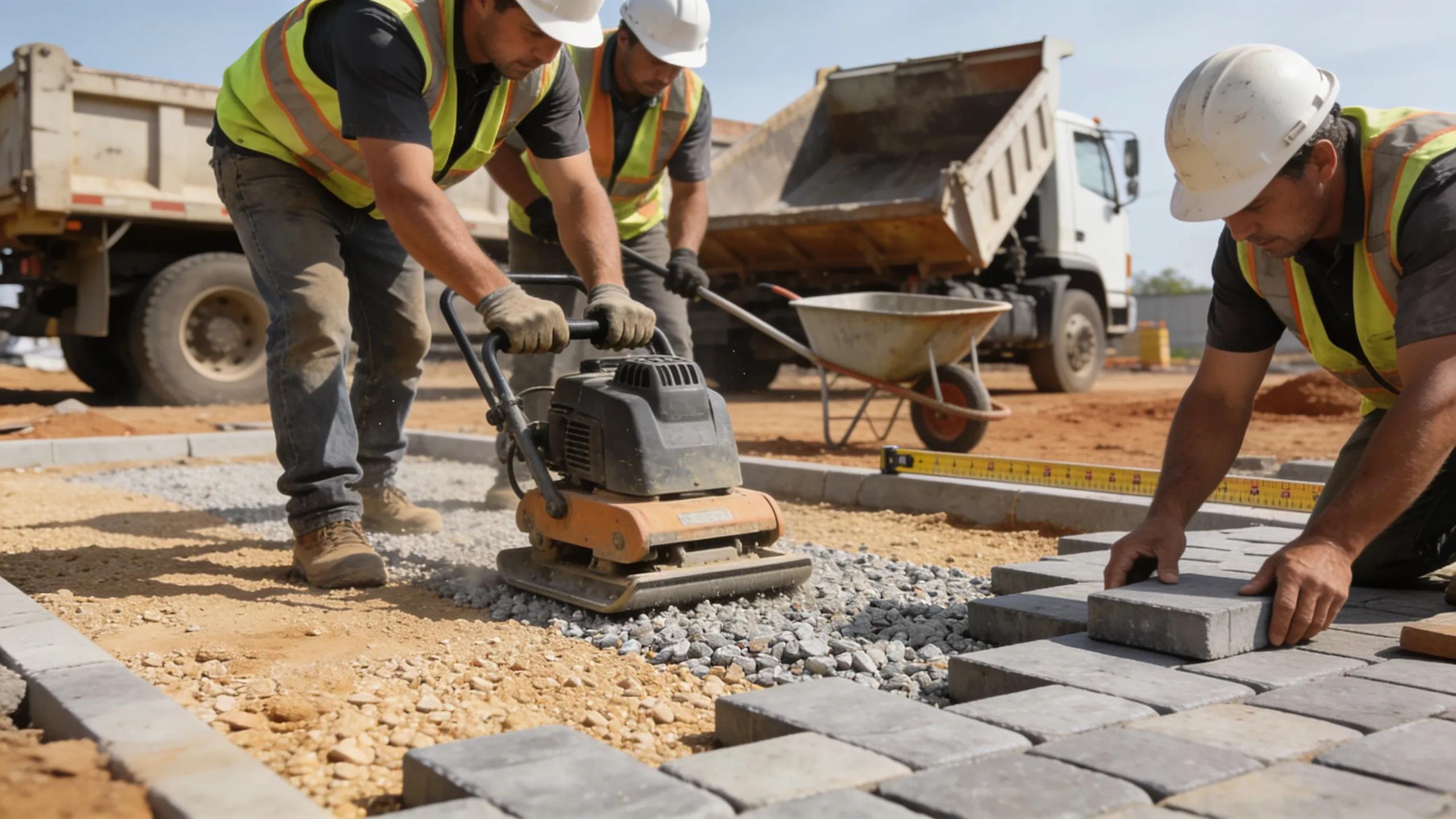
If the stone base is wrong, pavers can shift and sit unevenly. That hurts how the patio looks and creates trip hazards. A weak base can also cause water to pool and make problems worse. Investing in quality stone is a key first step toward a stable base.
Why Is Base Compaction Crucial for Preventing Sinking?
Compacting the base makes the layers solid so they do not settle later. If layers are not compacted, voids form and the patio can sink. Using a plate compactor helps reach the density needed for a level surface. Good compaction helps your patio stay stable for years.
How Can Sand Bedding and Joint Filling Mistakes Lead to Problems?
Wrong choices or techniques with sand bedding and joint filling also cause sinking and weeds. Picking the correct sand and applying it properly matters for a long‑lasting patio.
What Types of Sand Are Best for Bedding and Joints?
Concrete sand is often best for bedding because its coarser grains drain and hold up better than fine sand. Polymeric sand works well for joints because it hardens when wet and helps stop weeds while keeping pavers stable. See sand options that fit your project here.
How Does Incorrect Sand Use Encourage Weed Growth?
Fine sand can wash away and leave gaps where weeds start. If joints are not fully packed, seeds can settle and sprout. Using the right sand and filling joints correctly reduces weed chances.
What Are Effective Weed Prevention Techniques for Paver Patios?
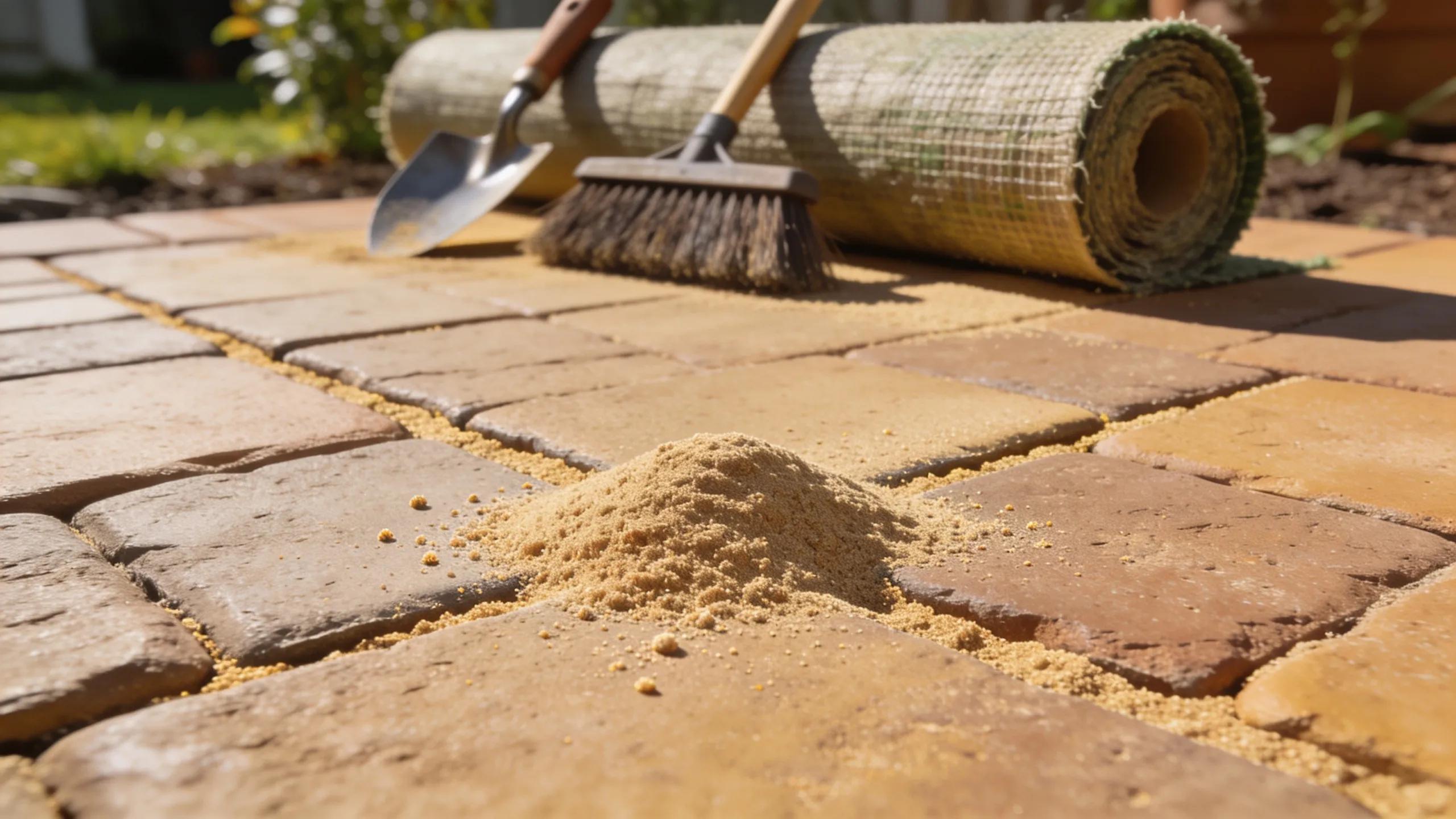
Stopping weeds takes a mix of smart installation steps and simple upkeep. Use the methods below to keep your patio tidy and weed‑free.
- Use of landscape fabric: Installing landscape fabric beneath the pavers can help suppress weed growth by blocking sunlight and preventing weed seeds from germinating.
- Polymeric sand application: Filling joints with polymeric sand not only stabilizes the pavers but also hardens to create a barrier against weeds.
- Regular maintenance: Routine inspections and maintenance can help identify and address weed issues before they become significant problems.
These steps help control weed growth and keep the patio looking neat.
How Does Landscape Fabric Help Reduce Weeds?
Landscape fabric blocks sunlight so weed seeds cannot sprout, while still letting water pass through when installed correctly. It reduces the time you spend pulling weeds later.
Why Choose Polymeric Sand for Joint Filling?
Polymeric sand binds the joints when activated with water. That hardening keeps pavers from shifting and creates a barrier to weeds. It also cuts down on repair work over time.
How to Choose the Right Paver Contractors in Lansdowne for Lasting Results
Picking the right contractor matters for a lasting patio. Knowing what to check helps you find someone who will do the job correctly.
What Should You Look for in Local Paver Contractors?
Look for contractors with solid experience and examples of good installations. Check reviews and make sure they are licensed and insured to protect you during the project.
How Do Lansdowne Contractors Prepare Bases to Avoid Common Mistakes?
Trusted Lansdowne contractors follow best practices: they dig to the right depth, install a gravel base, and use compaction to make a stable foundation. They often source proper base materials from suppliers offering topsoil and fill.
What Maintenance Tips Help Avoid Sinking and Weed Growth Over Time?
Routine upkeep keeps your patio sound and reduces weeds. A few simple checks and repairs go a long way toward preventing bigger issues.
- Regular inspections: Conducting routine inspections of your patio can help identify any signs of sinking or weed growth early on, allowing for timely repairs.
- Weed control measures: Implementing weed control measures, such as applying herbicides or manually removing weeds, can help keep your patio looking its best.
- Maintaining proper drainage: Ensuring that drainage systems are clear and that the patio has a proper slope can prevent water pooling, which can lead to sinking.
Following these tips helps extend the life of your patio and keeps it looking great.
How Often Should You Inspect and Repair Paver Joints?
Inspect joints at least once a year. Look for gaps, loose pavers, or signs of shifting and repair them quickly to avoid bigger fixes later.
What Are Simple Steps to Maintain Proper Drainage?
Keep drains and gutters clear, direct downspouts away from the patio, and maintain a slight slope so water runs off. These simple steps stop standing water, which can cause sinking.
Frequently Asked Questions
What is the best way to prepare the ground before installing a paver patio?
Good ground prep is the foundation of a lasting patio. Start by removing plants and debris. Excavate to allow space for a gravel base, a sand layer, and the pavers. Compact the soil so it will not settle. Adding a gravel base improves drainage and helps prevent settling over time.
Are there specific weather conditions to avoid when installing a paver patio?
Yes. Avoid installing during heavy rain because water can wash away materials and hurt compaction. Very hot days can dry sand too fast and make joint filling harder. Aim for mild, dry days with temperatures around 60°F to 80°F for the best results.
Can I install a paver patio myself, or should I hire professionals?
You can install a paver patio yourself, but hiring professionals often gives better results. Pros have the right tools and experience to avoid common mistakes. If you DIY, study the proper methods and use quality materials to improve the outcome.
What maintenance steps can help prolong the life of my paver patio?
Do yearly inspections to spot wear or movement, sweep away debris, treat or pull weeds, and keep drainage working so water flows away from the patio. These simple steps help your patio last longer.
How can I effectively remove weeds from my paver patio?
Pull weeds by hand, making sure to get the root, or use a long‑handled weeder for tougher plants. For stubborn weeds, a targeted herbicide can work—use it carefully around other plants. Proper joint filling with polymeric sand cuts future weed problems.
What is the role of paver joint stabilizers in maintaining my patio?
Joint stabilizers like polymeric sand bind the joints when activated with water. That binding stops pavers from moving, blocks weeds, reduces erosion, and helps manage water through the joints for a longer‑lasting surface.
Conclusion
Knowing how to avoid sinking and weeds helps your paver patio last and look its best. Use correct installation steps and regular maintenance, choose quality materials, and get skilled help when needed to build a strong foundation. Explore our resources for more tips and products to keep your outdoor space in great shape.