
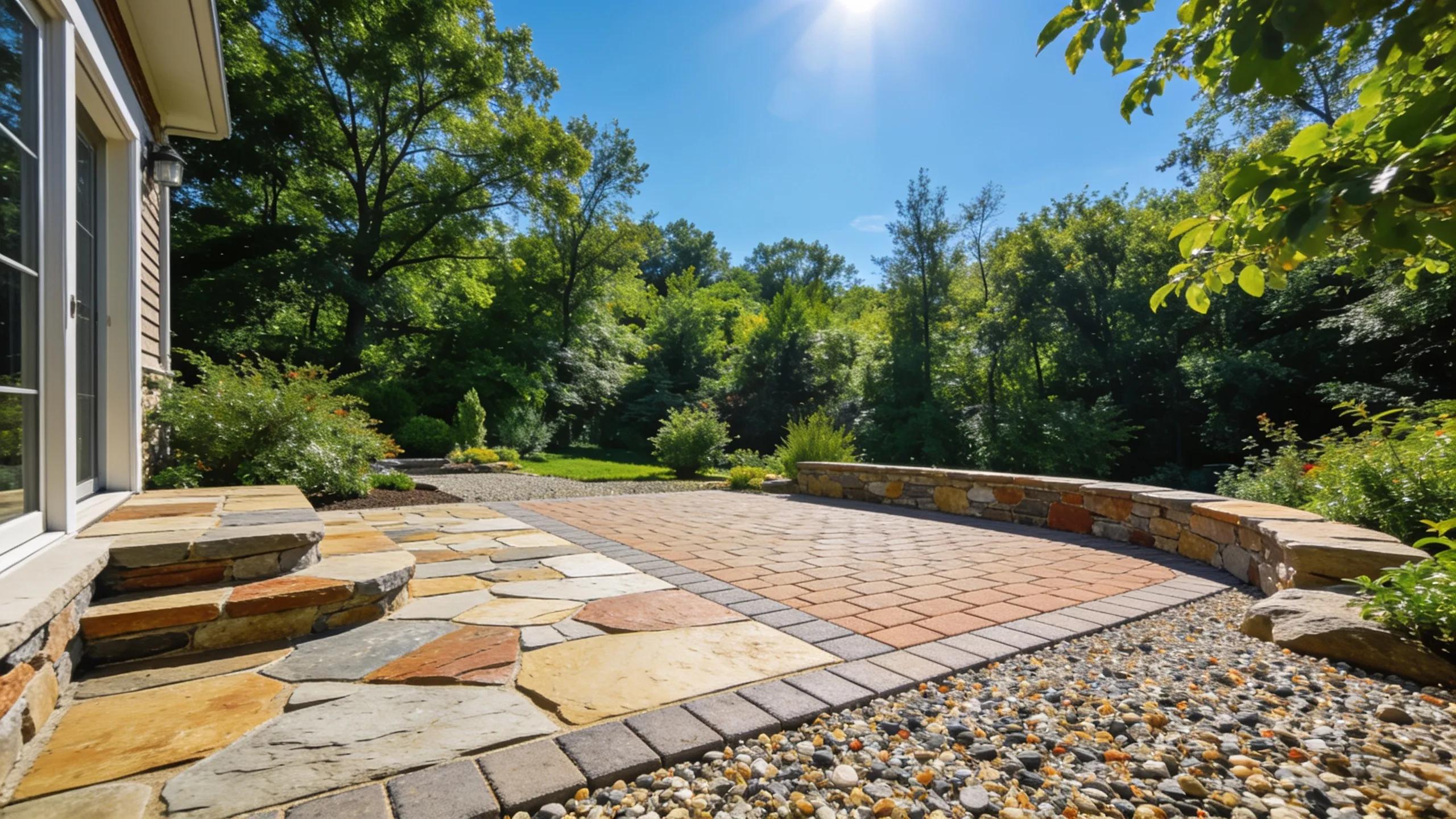
Choosing the Best Patio Stone Types in NJ: Flagstone, Pavers, or Crushed Stone?
By Louie Paracuelles, Kirk Allen Landscape Supply
Choosing the right patio surface matters in New Jersey’s shifting weather. Homeowners and contractors often decide between flagstone, pavers, and crushed stone. Each material has its own look, upkeep, and lifespan, and those choices affect how well a patio works over time. This article explains key features, upkeep, and basic installation steps for each option, plus practical tips for finding quality materials locally.
- Flagstone patios offer natural beauty and durability suitable for New Jersey’s freeze-thaw climate.
- The irregular shape of flagstone allows custom designs but requires skilled installation for stability.
- Paver patios provide versatile styles and easy repairs, making them durable for New Jersey weather.
- Proper base preparation and joint filling are essential for long-lasting paver patio installations.
- Crushed stone patios are cost-effective, offer excellent drainage, and suit budget-conscious outdoor projects.
- Maintaining crushed stone patios involves regular raking and replenishing to prevent erosion and uneven surfaces.
- Flagstone and pavers withstand harsh weather better than crushed stone, which needs more frequent upkeep.
- Choosing patio stone depends on durability, maintenance, aesthetics, and local supplier availability in Northern New Jersey.
- Local suppliers provide quality materials and delivery services that support successful patio construction projects.
What Are the Key Features of Flagstone Patios in Northern New Jersey?
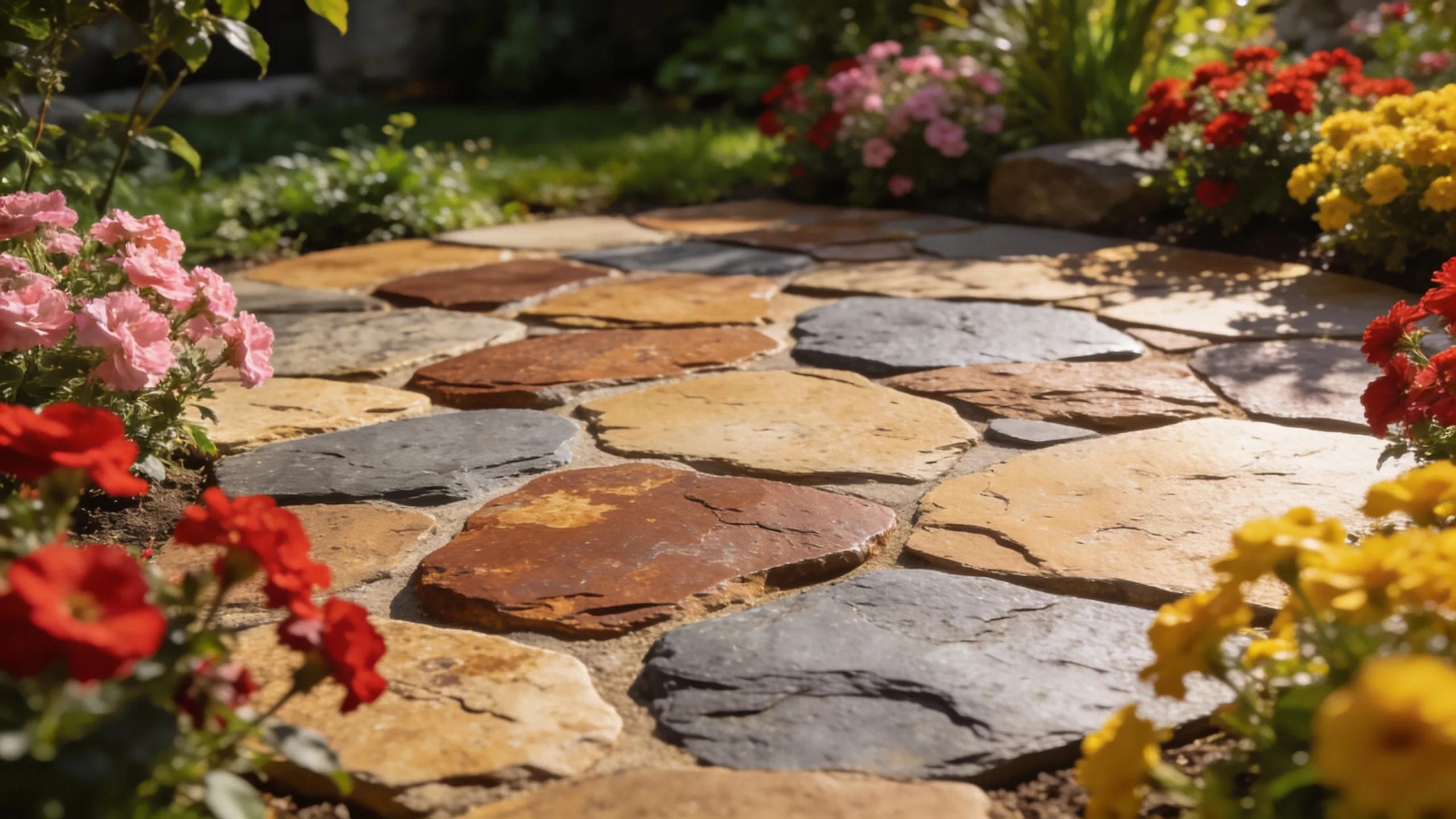
Flagstone gives a natural, long-lasting look that fits many yards in Northern New Jersey. The flat stones often come in odd shapes, so you can make custom layouts. Their earthy colors and textures blend well with plants and hardscapes. Flagstone also stands up well to freeze-thaw cycles, so your patio stays stable year after year.
How Does Flagstone’s Irregular Shape Affect Patio Design and Installation?
Those irregular shapes let you design a patio that feels unique and fits your space. But fitting the pieces takes planning and some skill. Installers use a gravel base and joint sand so the stones sit tight and don’t shift. Done right, a flagstone patio will last.
What Are the Maintenance Needs and Durability of Flagstone Patios in NJ?
Keep flagstone clean and check it now and then for dirt or stains. Wipe up spills so the stone doesn’t stain. Pull or treat weeds and moss in the joints as needed. With basic care, a flagstone patio can last many years.
Why Consider Paver Patios for Your NJ Outdoor Space?
Paver patios are a strong, flexible choice. Made from concrete or natural stone, pavers come in many styles and colours to match your design. They hold up to New Jersey weather, and if one piece cracks you can replace just that piece instead of the whole patio.
What Installation Methods Are Best for Paver Patios in NJ?
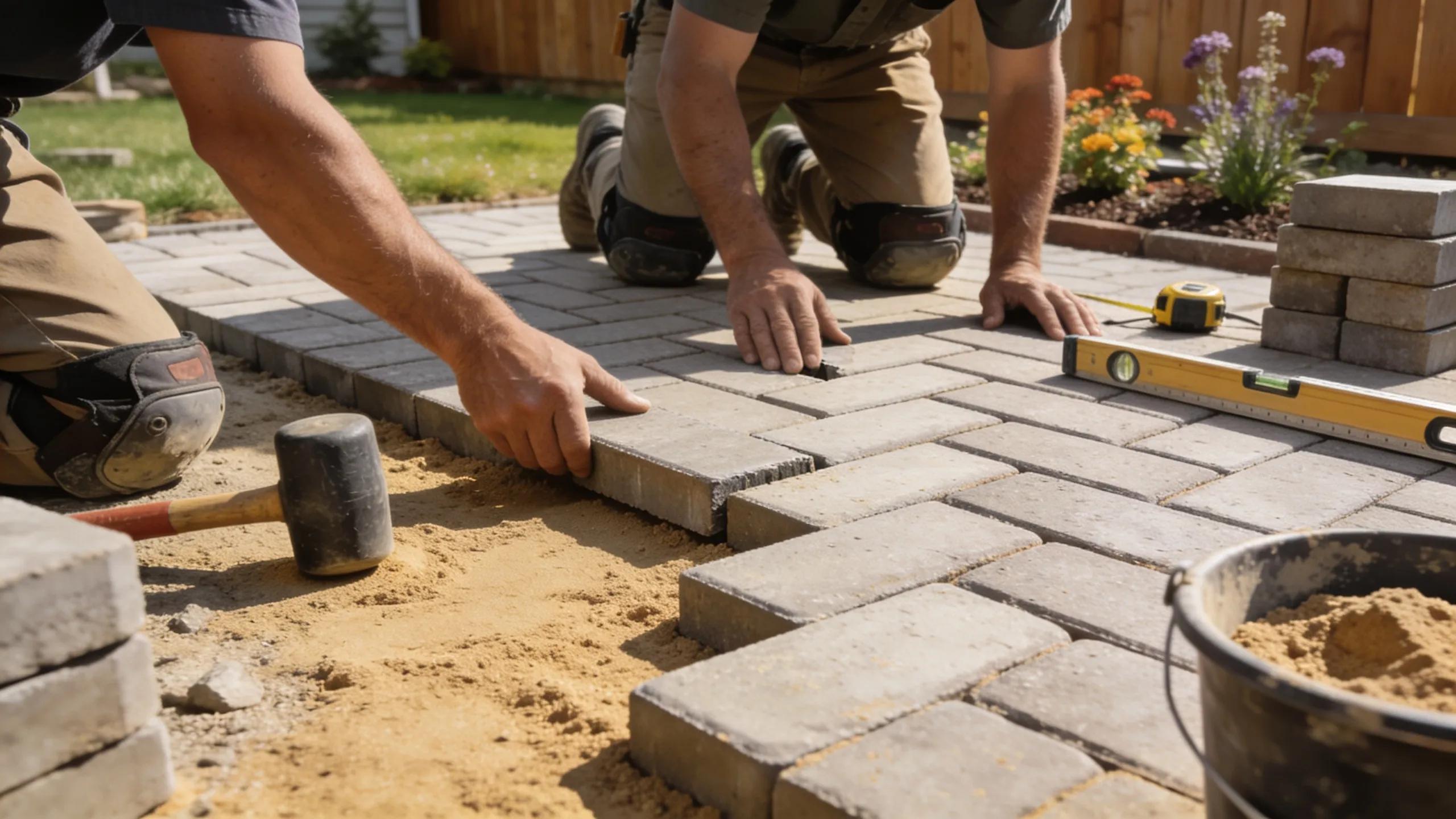
To install pavers, start with proper base prep: dig to the right depth and lay a gravel base so water drains. Lay the pavers in your pattern and fill the joints so they stay put. Skipping a good base or not filling joints can cause uneven spots and early wear.
How Do Paver Styles and Costs Compare for NJ Projects?
Homeowners can choose concrete, decorative stone, or permeable pavers that help water drain. Costs vary by material and design. Expect about $10 to $20 per square foot for installation, depending on the pavers you pick.
How Does Crushed Stone Serve as a Patio Surface in NJ?
Crushed stone is a budget-friendly patio option. It drains very well, so it works where water pools. You can use it in many designs, and the install is simpler—many people handle it as a DIY project.
What Are the Installation Steps and Common Mistakes with Crushed Stone Patios?
Install crushed stone by excavating and leveling the area, then laying a gravel base for drainage. Spread crushed stone evenly to about 2–3 inches. Make sure to compact the base and plan for drainage; if you don’t, the stone can wash away or get uneven.
How Does Crushed Stone Patio Cost Compare in Northern New Jersey?
Crushed stone usually costs less than flagstone or pavers, often $5 to $15 per square foot based on the stone type and how complex the job is. Its low price and good drainage make it a common choice.
How Do Flagstone, Pavers, and Crushed Stone Compare for NJ Climate and Durability?
When you compare them for New Jersey weather, flagstone and pavers hold up well to freeze-thaw cycles. Crushed stone works, but it may need more upkeep to stop shifting and erosion. The best pick depends on how tough you want the surface and how much care you want to give it.
Which Patio Stone Offers the Best Drainage and Weather Resistance in NJ?
For drainage, crushed stone wins because water flows through it. Flagstone and pavers can drain well too if you prepare the base and joints right. Look at your yard’s slope and drainage needs before choosing.
What Are the Long-Term Maintenance Requirements for Each Patio Surface?
Maintenance varies: flagstone needs regular cleaning and occasional weed or moss control. Pavers may need joint sand topped up and cleaning to keep them level. Crushed stone needs routine raking and adding stone to keep the surface even. Know the upkeep for each so you pick what fits your life.
What Practical Tips Help You Select and Source Patio Stone in Northern New Jersey?
When picking patio stone, think about durability, look, and how much care it needs. Buy from known local suppliers to get good-quality materials. Local yards can also advise which stone works best for your project.
How Can You Find Quality Patio Stone and Base Materials Locally?
Find quality patio stone and base materials by visiting local landscape suppliers or calling them. Many suppliers, such as Kirk Allen Landscape Supply, carry patio stone, mulch, topsoil, decorative stone, and gravel for patio builds. Talking with a supplier can point you to the best options for your project.
What Should Homeowners and Contractors Know About Delivery and Support Services?
When planning a patio, ask suppliers about delivery windows, scheduling, and any fees. Many offer help with material choices and basic installation tips. For example, Kirk Allen Landscape Supply delivers bulk materials, which makes getting stone and base materials easier for homeowners and contractors.
Frequently Asked Questions
1. What are some creative design ideas for using flagstone in patios?
When you use flagstone, try winding paths that weave through gardens. Mix stone sizes and colours for interesting patterns. You can also combine flagstone with gravel or pavers in parts of the yard to add contrast and texture.
2. How do I know if my patio installation needs to be redone?
Look for big cracks, uneven stones, or areas where water pools as signs your patio needs work. Lots of weeds or moss in the joints also shows maintenance has been skipped. Check these issues regularly to decide if repairs or a redo are needed.
3. What environmentally friendly options are available for patio materials?
For greener choices, consider permeable pavers that let water soak into the ground. Reclaimed or recycled stone is another option. Using local flagstone cuts transport emissions, and planting native plants around the patio helps local wildlife and keeps the area looking natural.
4. Can I install a patio on a slope, and what considerations should I have?
Yes. Patios can work on slopes, but you need good drainage so water doesn’t run away and cause erosion. Grade the surface to move water away and consider a retaining wall for stability. Use larger stones and a solid base to make the patio safer. Talk to a pro for tricky slopes.
5. What are the best maintenance practices for paver patios?
Keep paver patios clean by sweeping and hosing them down to stop mold and mildew. Add joint sand each year to keep pavers from shifting. You can use sealant to help prevent stains. Fix cracks quickly and make sure water drains away.
6. How can I choose the right stone size for my patio project?
Pick stone size based on style and use. Big stones give a rustic look; smaller stones work for neat, patterned designs. For areas with lots of foot traffic, choose larger, stronger stones. Lay out samples to see what fits before you install.
7. Are there maintenance-free options for patio surfaces?
No patio is zero maintenance, but some need less care. Concrete pavers resist weeds and only need occasional cleaning. Crushed stone is low-maintenance—mostly raking. Use hardy plants around the patio and materials treated for durability to cut down on upkeep.
Conclusion
Picking the right patio stone can lift your outdoor living in New Jersey—whether you choose flagstone for a classic look, pavers for flexibility, or crushed stone to save money. Each choice has trade-offs in durability, upkeep, and style, so choose what fits your needs. Talk with local suppliers for product options and practical advice on your next project to get the best results.