
How Much Stone and Base Material a Retaining Wall Project Needs
By Louie Paracuelles, Kirk Allen Landscape Supply
Getting the right amount of stone and base material keeps a retaining wall strong and long-lasting. This guide shows simple steps to calculate what you need: measure the area, work out volume, and pick the right material depth. Homeowners and contractors often under- or over-order, which causes delays and extra cost. Follow these steps to plan the job and avoid common mistakes. We cover measuring, volume math, and which stones work best.
- Accurate measurement of length, width, and height is essential for calculating retaining wall material volume.
- Convert volume from cubic feet to cubic yards by dividing by 27 for proper material ordering.
- Base material depth typically ranges from 6 to 12 inches to ensure wall stability and prevent settling.
- Order 10-15% extra material to account for compaction and settling during installation.
- Use crushed stone sizes between 3/4 inch and 1 inch for strong, well-draining retaining wall bases.
- Drainage stone behind walls reduces hydrostatic pressure and prevents structural damage over time.
- Consult local suppliers to select appropriate stone types and confirm material availability for your project.
- Proper delivery scheduling and site preparation help avoid project delays and ensure timely material arrival.
- Using retaining wall stone calculators can simplify and improve accuracy in estimating required materials.
To estimate the amount of stone and base material needed for a retaining wall project, follow these steps:
A good estimate makes the job smoother and helps you avoid surprises. The short steps below will guide your calculations and ordering.
Measure the Area
Measure the spot where the wall will go in feet. Record the length, height and thickness (width). These three numbers are the base for your volume calculation.
Calculate Volume
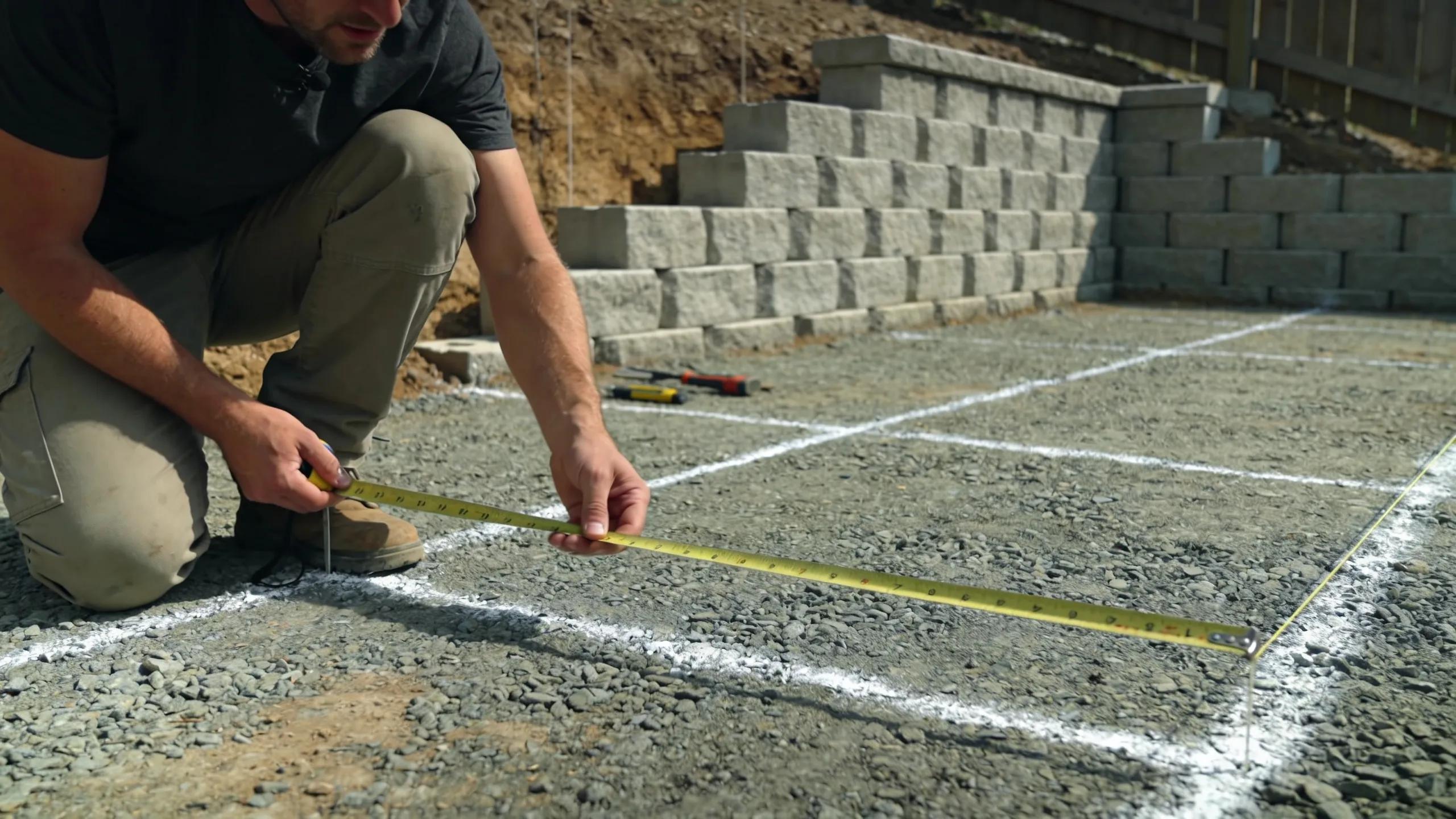
Multiply length × width × height to get cubic feet. For example, a 10 ft long wall that is 2 ft high and 1 ft thick equals 20 cubic feet. That tells you how much material the wall itself will take.
Convert to Cubic Yards
Most materials sell by the cubic yard. Divide your cubic feet number by 27 to convert. For 20 cubic feet, 20 ÷ 27 ≈ 0.74 cubic yards. Use this number when you order.
Consider Material Depth
Base depth matters for a stable wall. For most retaining walls plan on about 6 to 12 inches of base material. The right depth helps prevent settling and keeps the wall level.
Adjust for Compaction
Materials settle once placed. Order 10–15% more than your calculation to cover compaction and small losses. That helps prevent running short mid-job.
Local Resource Availability
Check with local suppliers to confirm what materials they have. Also think about your soil and drainage needs—those affect what stone will work best for your site.
Pricing Factors
Price depends on the material type, how much you order, and delivery distance. Extra services like installation or on-site advice can add cost. Knowing these factors helps you budget better.
Delivery Scheduling
Plan delivery so the truck can reach the site. Clear the drop area and confirm date and time with your supplier to avoid delays. Good timing keeps the project on track.
What Types of Stone Are Best for Retaining Wall Bases?
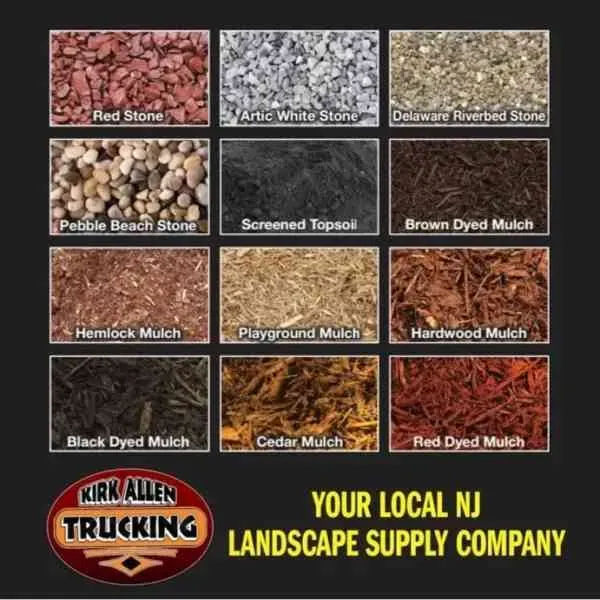
Choosing the right stone helps the wall last. Different stones perform differently for strength, drainage and appearance. Check the range of stone we stock to find what fits your project.
Which crushed stone sizes support strong base layers?
Crushed stone around 3/4 inch to 1 inch works well for base layers. Those sizes let water drain and give the base solid support for the wall above.
How does drainage stone prevent wall damage?
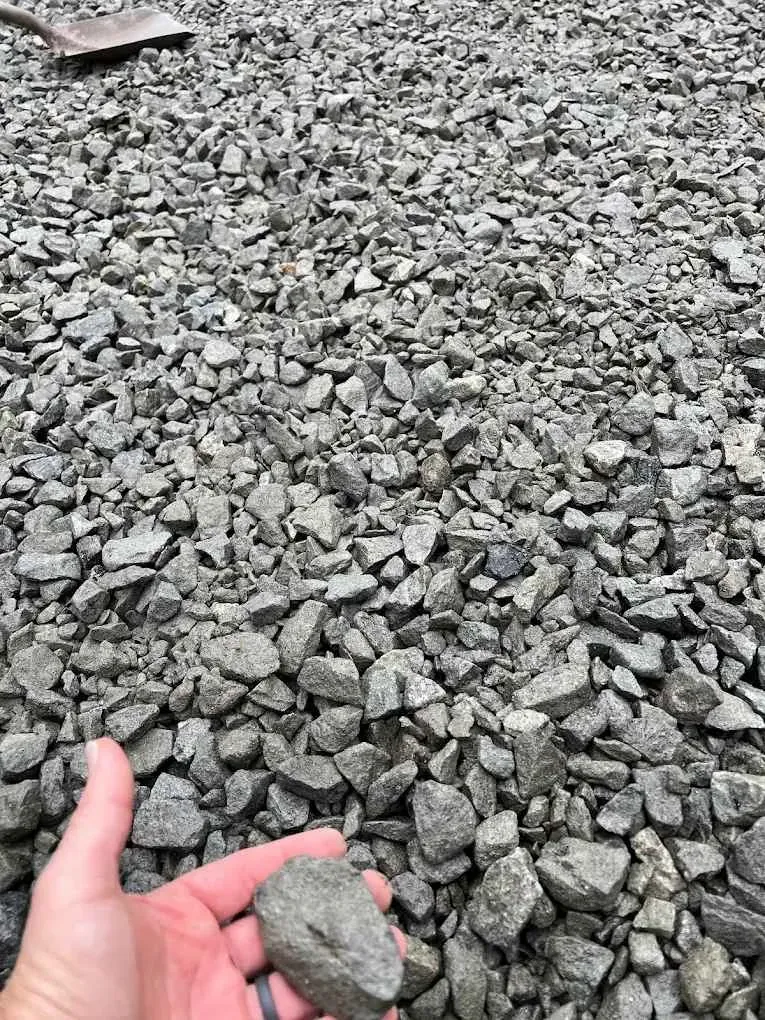
Drainage stone manages water behind the wall and lowers hydrostatic pressure. Permeable stone lets water escape instead of building up, which reduces the chance of cracks or movement over time.
How Thick Should the Base Material Be for a Retaining Wall?
Base thickness is a key factor in the wall’s stability and lifespan.
What is the recommended base layer thickness for stability?
Plan on about 6 to 12 inches of base, depending on wall height and soil type. Taller walls and weaker soils usually need a thicker base.
How does base thickness affect wall durability?
If the base is too thin the wall can shift or settle. The right thickness gives steady support and reduces future repairs.
How to Calculate the Amount of Stone and Base Material Needed
Calculating your material needs starts with accurate measurements and the right conversions. For jobs that also need fill, consider options like topsoil and fill where appropriate.
What measurements are essential for accurate material estimates?
Measure the wall’s length, width (thickness) and height. Those three numbers let you calculate volume and order the right amount of material.
Can you use a simple retaining wall stone calculator for your project?
Yes. A retaining wall stone calculator takes your measurements and gives a quick estimate. It’s a useful way to check your math before ordering.
What Role Does Drainage Stone Play Behind Retaining Walls?
Drainage stone is a key part of a reliable retaining wall. It helps water move away from the wall so pressure doesn’t build up.
Why is proper drainage critical to retaining wall success?
Without good drainage water can collect and push on the wall. That pressure can cause cracks, bulging or collapse. Good drainage keeps the wall stable over time.
Which stone types work best for drainage backfill?
Gravel or crushed stone are common backfill choices. They let water flow while still supporting the back of the wall.
Common Mistakes When Choosing Stone and Base Materials for Retaining Walls
Picking the wrong materials or quantities can cause delays and extra expense. Avoid these common mistakes to keep the project on track.
What errors lead to poor drainage and wall failure?
Using materials that don’t let water pass through is a big mistake. Ignoring drainage needs can let pressure build and lead to wall damage.
How to avoid using incorrect stone sizes or quantities?
Talk with local suppliers about the right stone sizes and amounts for your job. Their experience with local soil and conditions helps you choose correctly.
How Kirk Allen Landscape Supply Supports Your Retaining Wall Project in Bucks County
Kirk Allen Landscape Supply stocks the materials and services for retaining wall jobs. Whether you need sand for a base or construction aggregates, we can help you find the right items.
What locally sourced stone and base materials do we offer?
We carry crushed stone, gravel and decorative stone suitable for retaining walls. Our local sourcing helps ensure consistent quality and reliable deliveries.
How do our fast delivery and expert advice simplify your project?
Fast delivery gets materials to your site when you need them, and our team can advise on material choice and quantities. That combination helps keep projects moving and reduces delays.
Frequently Asked Questions
What factors influence the choice of stone for retaining walls?
Stone choice depends on soil, moisture, and wall height. Dense stones like granite or limestone give strength. Lighter stones may be picked for looks. How well the stone drains matters too. Local weather, such as freeze-thaw cycles, can affect which stone ages best.
How does the type of soil affect the construction of retaining walls?
Soil type changes how a wall is built. Clay holds water and can push harder on a wall, so you may need a deeper base and stronger materials. Sandy soils drain well but may not hold as tightly, which can affect the wall type you choose. Each soil needs a fitting approach for stability and drainage.
What maintenance is required for retaining walls after construction?
Check the wall now and then for shifting, cracks or bulging, especially after heavy rain. Keep drainage channels clear and watch nearby plants—roots can push on the wall. Clearing debris helps water flow and keeps the wall stable.
Can retaining walls be built on sloped terrains?
Yes. Retaining walls are often used on slopes to stop erosion and create flat areas. Steeper slopes may need tiered walls so each wall holds less pressure. In some cases you can add geogrid or other reinforcement for extra support.
What is the lifespan of a typical retaining wall?
Lifespan varies by material and build quality. Well-built stone or concrete walls can last for decades, often over 50 years. Wooden walls usually last 15–20 years unless they’re treated and well maintained. Regular checks and upkeep extend any wall’s life.
How do you ensure proper drainage in retaining wall designs?
Use a drain pipe at the base to carry water away and build a slight slope behind the wall to help runoff. Backfill with drainage stone or gravel and choose permeable materials where possible. These steps reduce hydrostatic pressure and protect the wall.
Conclusion
Accurate material estimates help your retaining wall stay stable and last longer. Measure carefully, add room for compaction, and choose materials that suit your soil and drainage needs. Talk to local suppliers and use simple calculators to check your numbers. Browse our stone products and expert tips to support your project.