Paver Patio Edge Restraints: Why They Matter for Durable Patio Installation
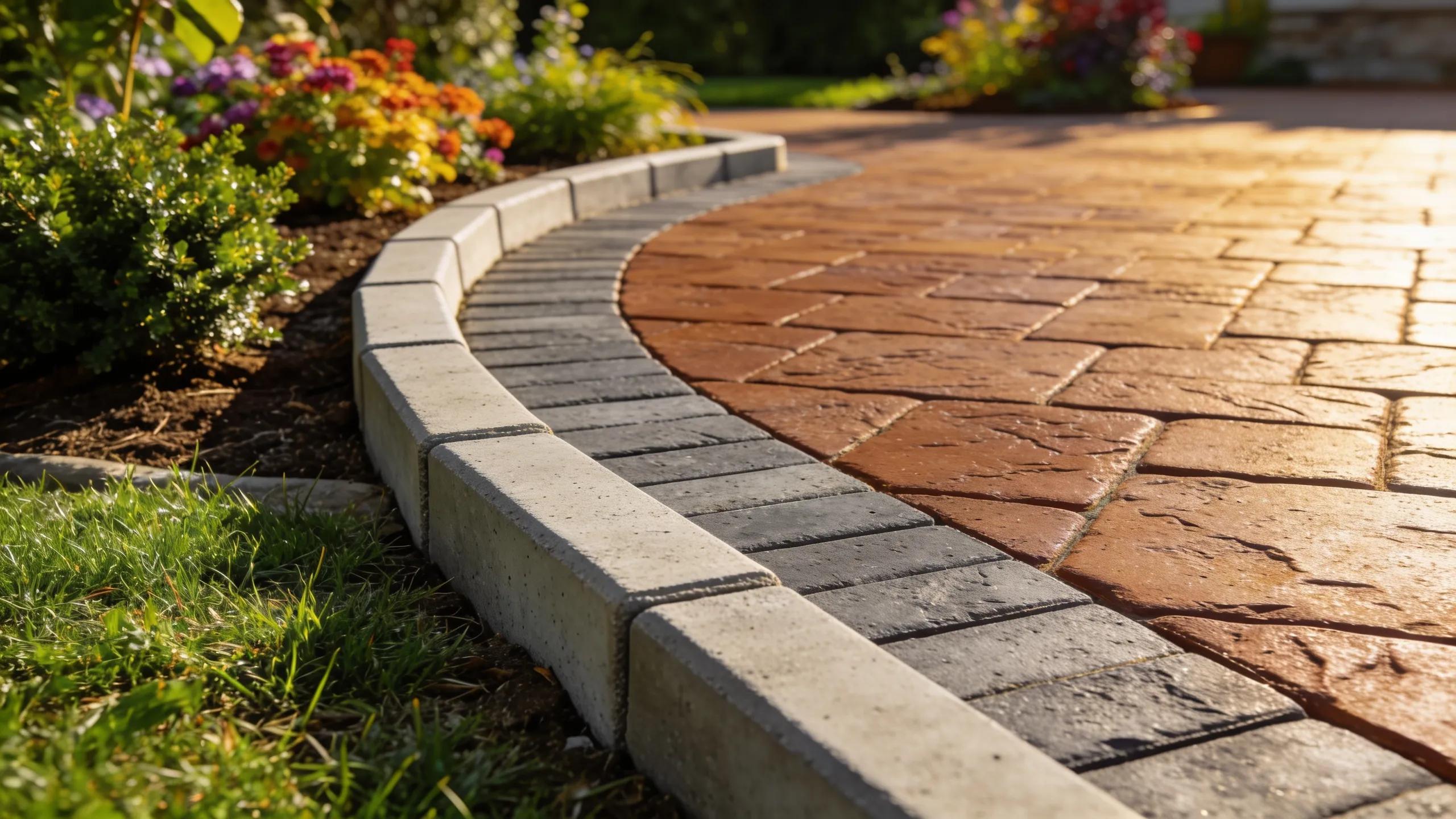
Paver patio edge restraints keep pavers from moving and give your patio a clean, finished border. They stop shifting caused by soil movement and weather, so patios last longer and look better. Homeowners and contractors often see problems when restraints are missing or done poorly. This article covers why edge restraints matter, the common types, how to install them, and simple maintenance tips to keep your patio working for years. We also explain how to build a stable base and why quality materials like sand and gravel matter.
- Paver patio edge restraints secure pavers, preventing shifting and maintaining patio stability over time.
- Edge restraints define patio borders, enhancing aesthetic appeal and preventing weed intrusion into joints.
- Plastic, metal, and stone are common edge restraint materials, each offering different durability and visual benefits.
- Proper installation involves base preparation, level placement, and compaction to ensure effective edge restraint performance.
- Maintaining edge restraints includes regular inspections, weed control, and ensuring proper drainage to prevent erosion.
- Preparing a stable patio base requires layered gravel and sand to support pavers and edge restraints effectively.
- Using quality bulk materials like stone and sand contributes to patio durability and efficient construction.
- Correct edge restraint installation prevents soil movement, erosion, and weather-related damage to patios.
- Choosing appropriate edge restraints depends on patio use, aesthetic goals, and budget considerations.
Significance of Edge Restraints
Edge restraints are key to a stable, long-lasting paver patio. They hold pavers in place, form a neat border, and help keep weeds out of the joints. That hold cuts down on shifting and settling, which matters most where temperatures and moisture change and the soil can move.
Types of Edge Restraints
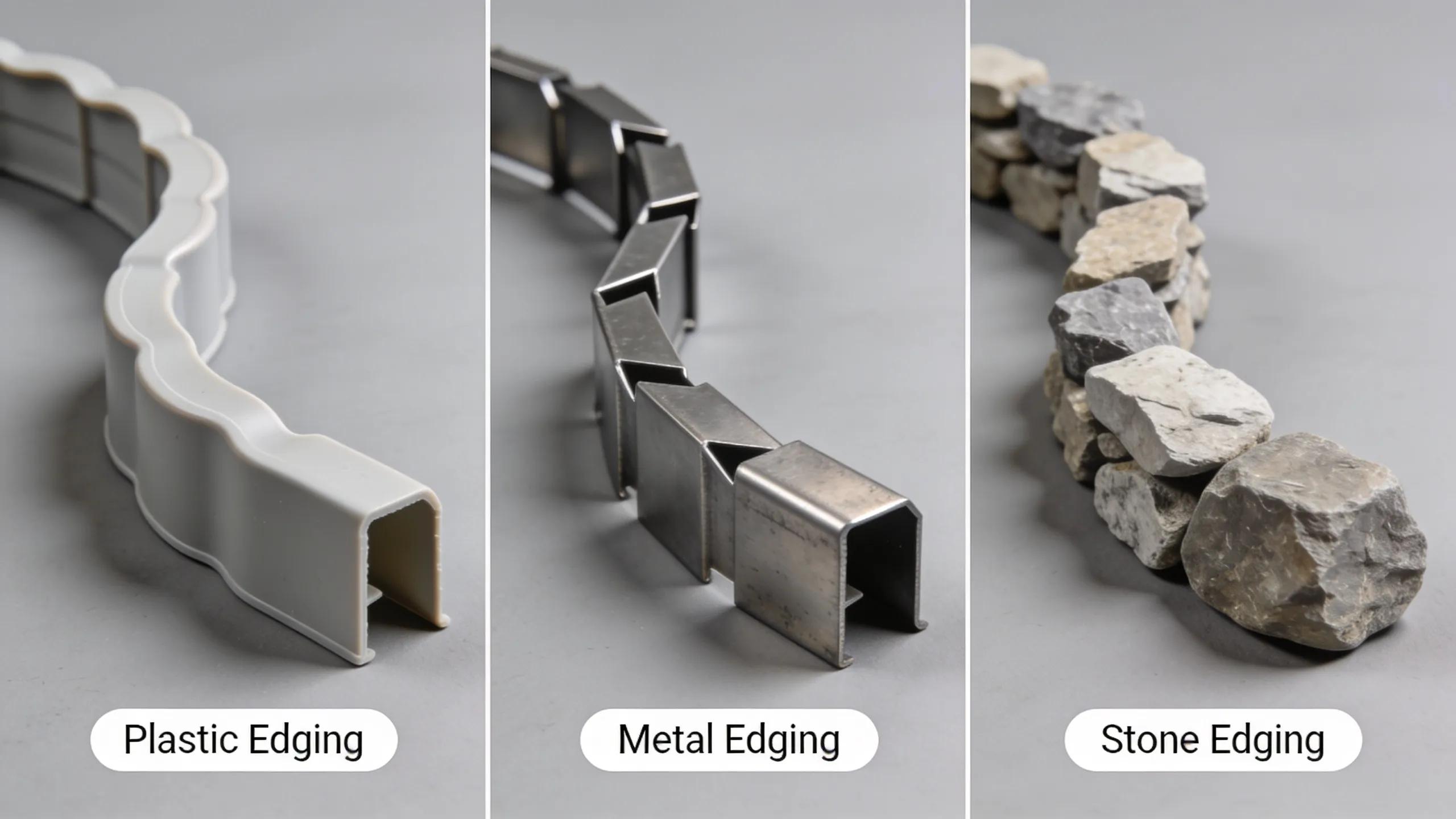
There are several types of edge restraints available, each suited for different applications and preferences.
- Plastic Edge Restraints: Lightweight and easy to install, plastic restraints are ideal for residential projects where flexibility and cost-effectiveness are priorities.
- Metal Edge Restraints: Known for their durability, metal restraints provide a strong and long-lasting solution, making them suitable for high-traffic areas.
- Stone Edging: For a more aesthetic appeal, stone edging can be used to create a natural look while providing the necessary support for pavers.
Pick the right edge restraint based on how the patio will be used, the look you want, and your budget.
Installation Techniques
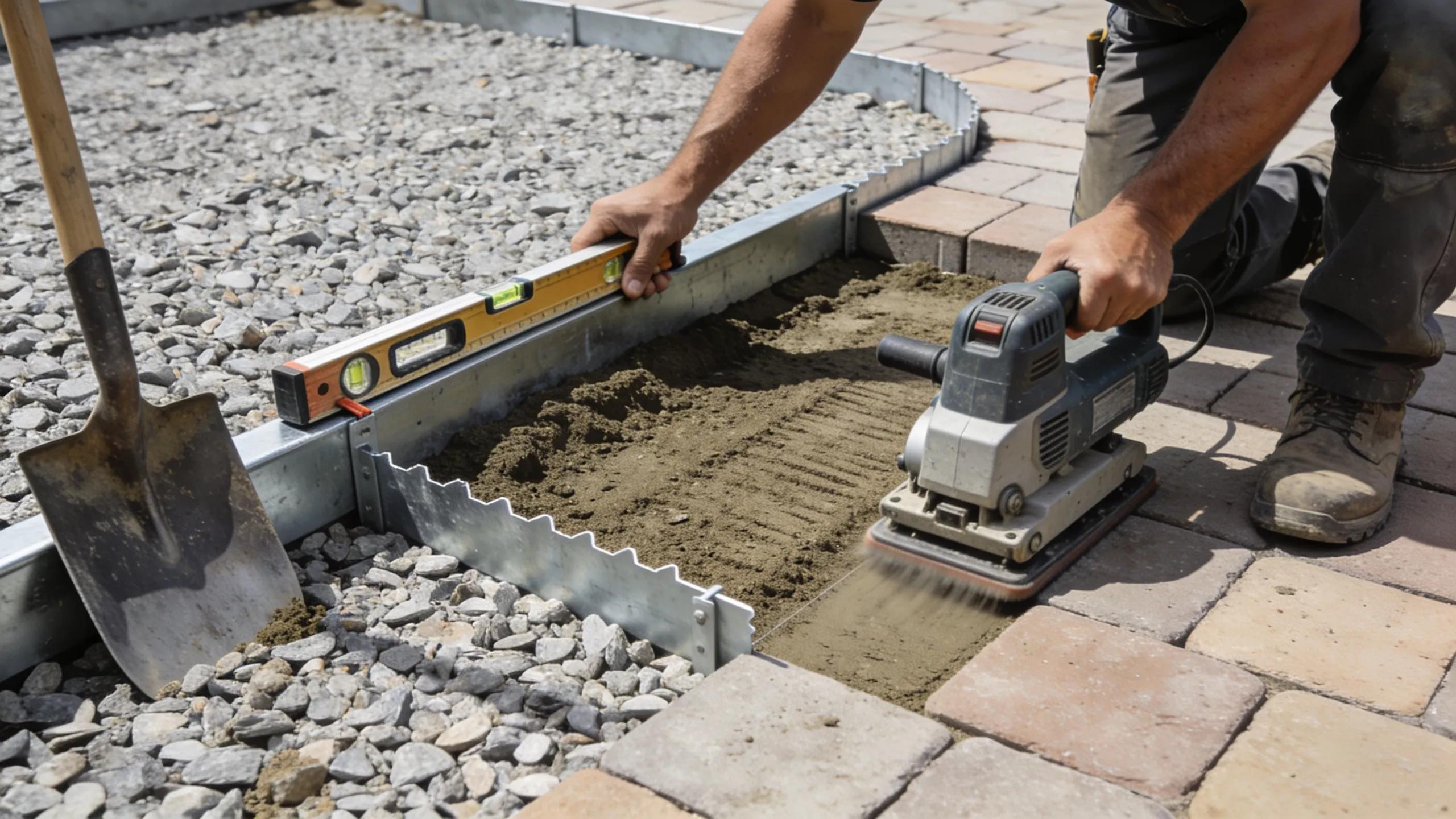
Proper installation makes the restraints work as intended. Follow these basic steps:
- Preparation of the Base: Ensure the area is excavated to the appropriate depth, allowing for the base materials and pavers.
- Placement and Securing of Restraints: Position the edge restraints along the perimeter of the patio, ensuring they are level and properly aligned.
- Compaction Techniques: After placing the restraints, compact the base materials to secure the restraints in place and prevent future movement.
Do these steps and the restraints will hold tight, helping keep the patio steady over time.
Maintenance Tips
Check restraints regularly for damage or movement, pull weeds around the edges, and re-level any sunken pavers. Make sure water drains away from the edge so soil isn’t washed out and the base stays firm.
What Are Paver Patio Edge Restraints and How Do They Work?
Edge restraints are pieces of plastic, metal or stone that stop pavers from moving. They act as a barrier that keeps pavers and the base materials in place so the patio stays flat and even. How well they work depends on the material chosen and how carefully they are installed.
Components of Edge Restraints
Edge restraints come in plastic, metal and concrete. Each has its strengths: plastic is easy to handle, metal gives extra strength, and concrete or stone adds a natural look while supporting the edge.
Installation Methods
Installing restraints means preparing a solid base, placing the restraints straight, and anchoring them. Proper anchors—stakes or spikes—help keep the restraints from shifting later on.
Benefits for Patio Longevity
Edge restraints help patios last longer by preventing movement and erosion. They also limit weed growth and guide water away from the pavers, reducing moisture damage.
Defining Edge Restraints and Their Role in Patio Stability
Edge restraints lock pavers so they don’t move sideways when the ground shifts. They support the base layers and help create a firm foundation that keeps the patio intact over time.
How Edge Restraints Prevent Paver Shifting and Soil Erosion
Restraints provide a solid physical border that holds pavers in place. That barrier reduces soil erosion and protects the patio in areas with heavy rain or big temperature swings.
Which Types of Edge Restraints Are Best for Your Patio?
Choose a restraint based on how the patio will be used, the look you want, and how long you need it to last. Home patios often do well with plastic. High-traffic or commercial areas usually need metal. Stone gives a classic, natural finish.
How to Prepare a Patio Base Using Stone and Sand for Edge Restraints
A steady base helps edge restraints do their job. The main steps are:
- Excavation: Dig out the area to the required depth, allowing for the base materials and pavers.
- Layering Materials: Begin with a layer of compacted gravel, followed by a layer of sand to create a smooth surface for the pavers.
- Setting Edge Restraints: Position the edge restraints along the perimeter, ensuring they are level and secure.
This preparation helps the edge restraints work properly and keeps the patio stable. You’ll often use significant amounts of stone and sand for the base.
Selecting the Right Stone and Sand for Patio Base Preparation
Use coarse gravel for drainage and a finer sand to create a smooth bedding layer. The gravel lets water move away and the sand gives a firm surface to set the pavers.
Step-by-Step Guide to Installing a Stable Patio Base
Installing a stable patio base involves several key steps:
- Excavation: Remove the topsoil and dig to the required depth.
- Compaction: Compact the soil to create a solid foundation.
- Layering: Add a layer of gravel followed by a layer of sand, ensuring each layer is compacted.
- Setting Pavers: Lay the pavers on top of the sand, ensuring they are level and properly aligned.
Do the work in this order—dig, compact, layer, then lay the pavers—and you’ll get a solid base that holds up.
What Are the Benefits of Using Edge Restraints for Patio Longevity?
Using edge restraints offers several benefits for patio longevity, including:
- Stabilization of Pavers: Edge restraints prevent shifting and settling, maintaining the integrity of the patio.
- Reduced Maintenance Needs: By preventing weed growth and erosion, edge restraints reduce the need for ongoing maintenance.
- Enhanced Aesthetic Appeal: Defined edges contribute to a polished and professional look for the patio.
Those benefits protect the patio, cut down on repairs, and give the finished space a neat, finished look.
Extending Patio Life by Preventing Soil Movement and Weather Damage
Edge restraints stop soil from moving and direct water away from the edges, which helps prevent weather damage and keeps the patio usable and attractive for years.
Real Project Examples from New Jersey Contractors
New Jersey contractors often use edge restraints on patios to keep them stable and attractive. Job photos show many restraint types and how they perform. For many projects, sourcing bulk topsoil and fill is a common first step.
How Do You Install Edge Restraints Correctly?
Installing edge restraints correctly is crucial for ensuring their effectiveness. The following steps outline the process:
- Planning and Marking the Area: Clearly define the perimeter of the patio.
- Excavation and Base Preparation: Prepare the base as previously described.
- Placement of Restraints: Position the edge restraints along the marked perimeter, ensuring they are level and secure.
Follow these steps and the restraints will hold the patio edge firmly in place.
Tools and Materials Needed for Edge Restraint Installation
To install edge restraints effectively, the following tools and materials are recommended:
- Tools: Shovel, level, compactor, stakes or spikes for securing restraints.
- Materials: Edge restraints (plastic, metal, or stone), gravel, sand.
Have the right tools and materials ready before you start. That saves time and keeps the job cleaner and quicker.
Common Installation Mistakes to Avoid for Lasting Results
To achieve lasting results, it is important to avoid common installation mistakes, such as:
- Inadequate Base Preparation: Failing to properly compact the base can lead to shifting.
- Incorrect Restraint Placement: Misalignment can compromise the effectiveness of the restraints.
- Neglecting Drainage: Poor drainage can lead to erosion and damage over time.
Knowing these pitfalls helps you or your contractor avoid costly fixes later on.
Where Can You Find Reliable Bulk Stone and Sand Delivery in New Jersey?
Finding reliable suppliers for bulk stone and sand makes a big difference in project timing and quality. Look for local yards that deliver on schedule and can answer questions about material types and amounts.
Local Suppliers Offering Fast Delivery and Expert Advice
In New Jersey, local suppliers can deliver materials quickly and give practical advice to match your project and timeline. They can help you pick the right stone and sand and arrange timely delivery.
How Bulk Materials Support Efficient Paver Patio Construction
Bulk materials keep projects moving by supplying the base stone, sand, and any edging materials you need. Good materials cut down on delays and help the patio last longer. Consider bulk delivery of mulch and other supplies to finish the job neatly.
Frequently Asked Questions
What are the benefits of using stone edging for patio installations?
Stone edging is long-lasting and fits right into a natural yard. It defines the patio edge, needs little upkeep, and helps keep soil from washing away so the pavers stay level.
How can I prevent weeds from infiltrating my paver joints?
Use polymeric sand to lock the joints— it hardens when wet and fills gaps so weeds can’t take root. Keep the edges tidy and use edge restraints so soil doesn’t spill into the joints.
What should I look for in bulk materials suppliers for my patio project?
Pick suppliers that sell quality stone, gravel and sand, deliver reliably, and have helpful staff. Check reviews and ask about bulk pricing if you need large amounts.
How do environmental conditions affect the choice of edge restraints?
Match the restraint to the climate and soil. Wet or freeze-thaw areas do better with stronger materials like metal or heavy-duty plastic. In milder spots, lighter plastic may work fine. Always think about drainage and soil type.
Can professional installation make a difference in the durability of patio edge restraints?
Yes. Professionals know how to prepare the base, align restraints, and compact properly. They spot issues early and can save time and repair costs down the road.
What maintenance practices should be followed for patio edge restraints?
Inspect restraints for movement or damage and fix issues when you see them. Keep weeds and debris away and make sure water drains well so edges don’t wash out.
What is the expected lifespan of different edge restraint materials?
Plastic restraints often last about 10–15 years depending on exposure. Metal can last 20 years or more with care. Stone edging, if installed right, can last for decades. Use these ranges when planning and budgeting.
Conclusion
Using edge restraints helps your patio stay stable, limits weeds, and improves drainage. Proper installation and regular upkeep keep them working for years. Browse our landscaping materials to support your patio project today.