
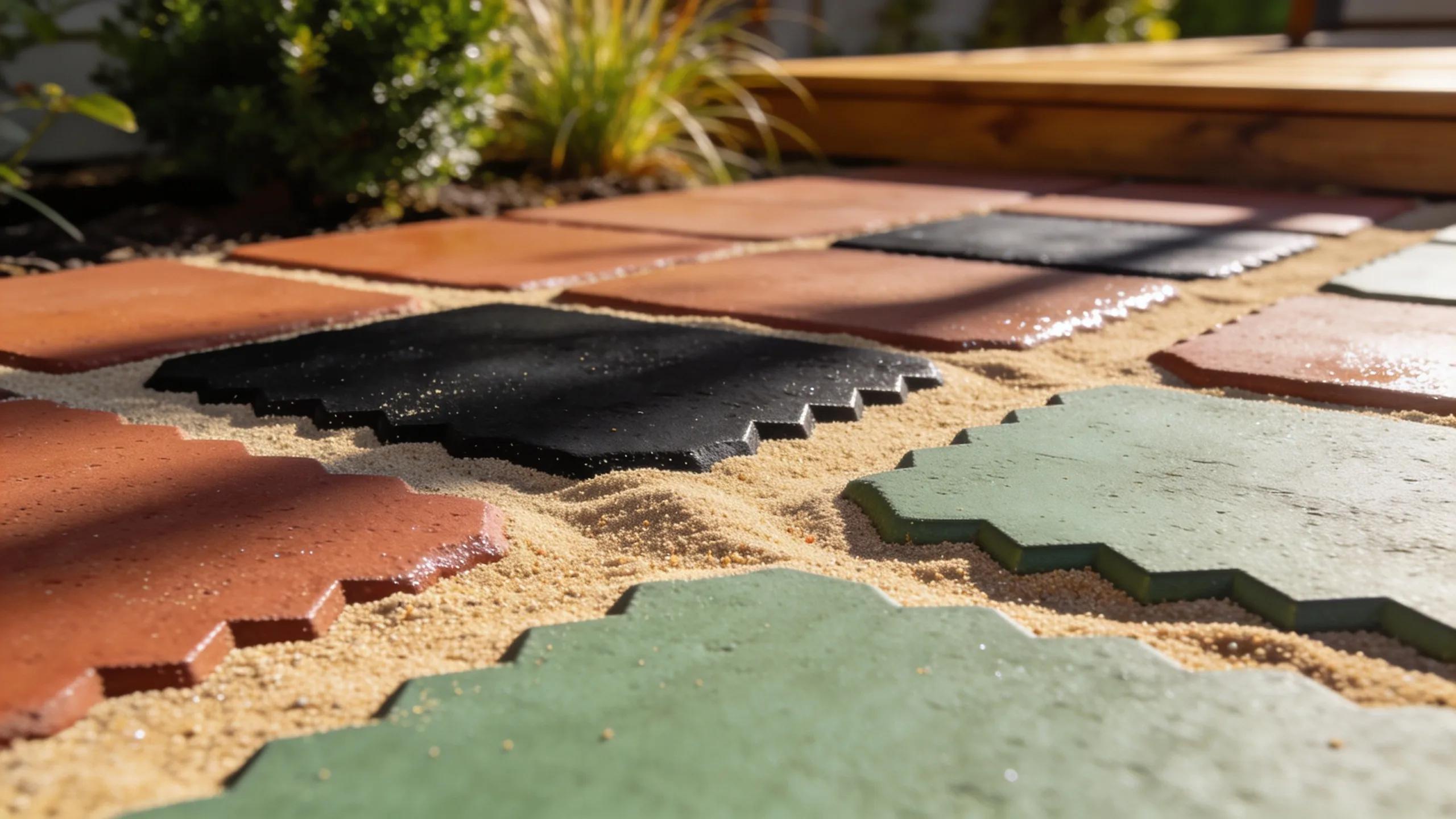
Polymeric Joint Sand for Pavers: When to Use It and Why It Matters
By Louie Paracuelles, Kirk Allen Landscape Supply
Polymeric joint sand fills the gaps between pavers to keep them stable and stop weeds. This guide explains what it’s made of, the benefits, and how to apply it so homeowners and contractors can choose the right approach for hardscape work. Common problems like shifting stones and unwanted plants can shorten a patio’s life. Polymeric sand bonds the joints and helps pavers last longer. Here we cover what it is, when to use it, how to install it, and how to care for it.
- Polymeric joint sand combines fine sand and polymers to create strong, durable joints between pavers.
- It prevents weed growth effectively by hardening and blocking vegetation in paver joints.
- Polymeric sand stabilizes pavers, reducing shifting and settling under foot and vehicle traffic.
- Application requires dry, low-humidity conditions and clean paver surfaces for optimal curing and bonding.
- Proper installation includes sweeping sand into joints and misting lightly to activate the polymers.
- Common mistakes include skipping a gravel base, overwatering, and using regular fine sand instead of polymeric sand.
- Compared to regular sand, polymeric sand offers superior erosion resistance and long-term durability.
- Regular maintenance involves sweeping debris, controlling weeds, and reapplying sand if erosion occurs.
- Choosing polymeric joint sand enhances the appearance and longevity of hardscape patio pavers.
What Is Polymeric Joint Sand and How Does It Work?
Polymeric joint sand mixes fine sand with polymer additives. When you wet it, the polymers activate and the sand hardens in the joints. That hard joint resists erosion and keeps weeds out. Properly installed, it helps paver patios look better and last longer.
Mixing polymers with joint sand for paver sealing has been used for decades.
Polymer-Mixed Joint Sand for Paver Sealing
Mixing a hydrated polymer with the jointing sand before installation is one method of sealing joints. Concrete paving blocks: an overview., 1993
Benefits of Polymeric Joint Sand
Polymeric sand brings several benefits over regular sand, which is why many projects use it.
- Weed Prevention: The hardened joint created by polymeric sand effectively blocks weed growth, reducing the need for chemical herbicides.
- Stability of Pavers: By locking pavers in place, polymeric sand minimizes shifting and settling, ensuring a stable surface for foot traffic and vehicles.
- Aesthetic Appeal: The clean, finished look of polymeric sand enhances the overall appearance of paver installations, contributing to a polished landscape design.
Kirk Allen Landscape Supply stocks quality polymeric joint sand to help your hardscape achieve long-lasting results.
When Should You Use Polymeric Joint Sand on Patio Pavers?
Polymeric sand works best when pavers are set and dry. Wait at least 24 hours after laying pavers before you apply sand. Pick dry days with low humidity. Don’t apply if rain is likely within 24 hours, since water can wash the sand away before it sets.
Ideal Conditions and Timing for Applying Polymeric Sand
Good results depend on a few simple factors: clean pavers, dry weather, and low humidity.
- Weather Conditions: Dry, sunny days are optimal for application, as they allow the sand to cure properly.
- Humidity Levels: Low humidity is preferable, as high humidity can interfere with the sand’s ability to harden.
- Application Steps: Ensure that the paver surface is clean and free of debris before applying the sand. Use a broom to sweep the sand into the joints, ensuring they are filled completely.
For other landscaping materials, see our mulches to help finish the look of your outdoor space.
How to Install Polymeric Joint Sand Correctly on Pavers
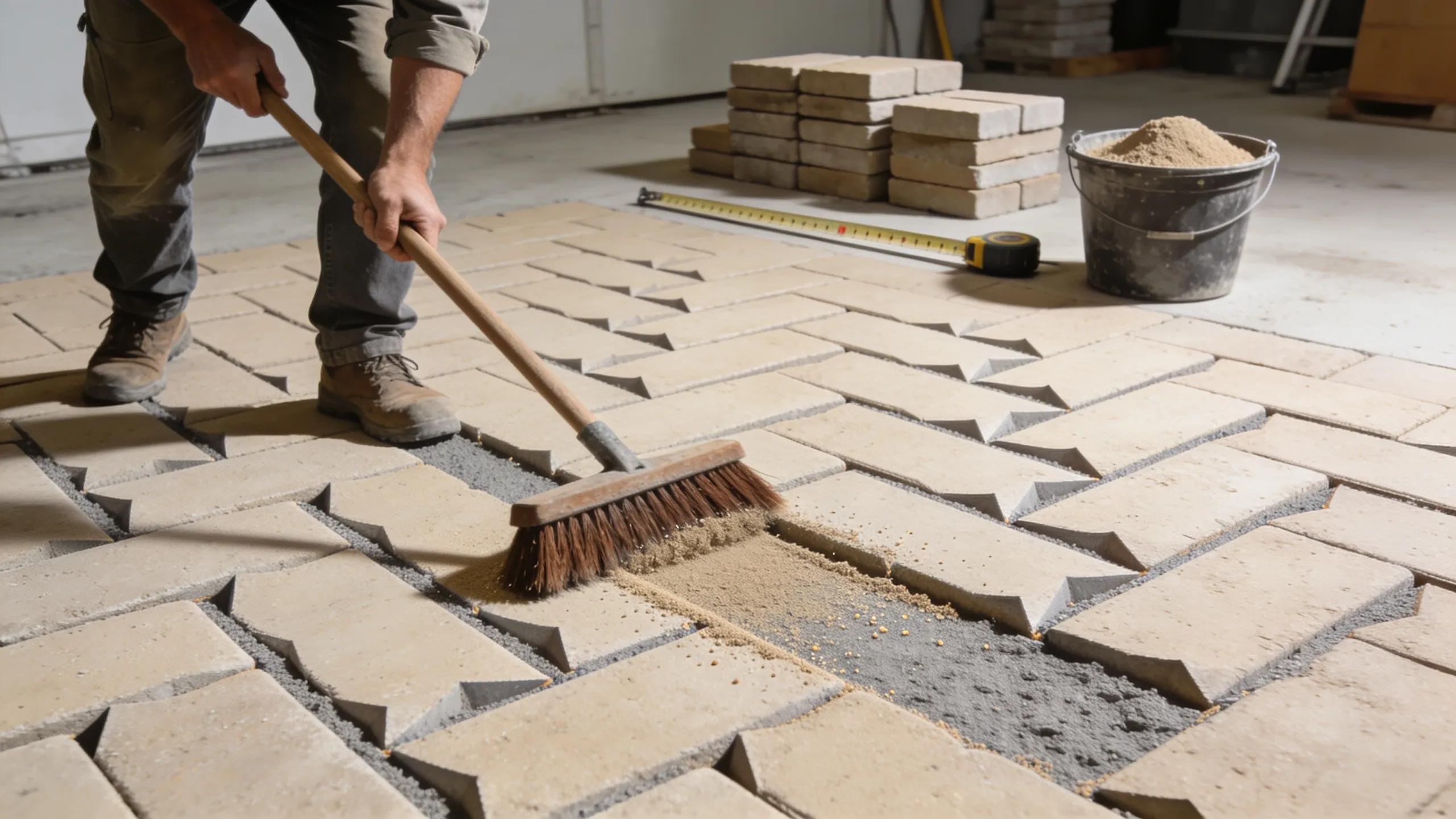
Installing polymeric joint sand takes care, but the steps are simple and clear.
- Preparation Steps: Begin by cleaning the paver surface thoroughly, removing any dirt, debris, or old joint material.
- Application Techniques: Spread the polymeric sand evenly over the pavers, using a broom to work it into the joints. Ensure that all joints are filled to the top.
- Curing Process: After application, lightly mist the surface with water to activate the polymers. Avoid over-saturating, as this can lead to washout.
We at Kirk Allen Landscape Supply can help with product choice and offer guidance for your installation.
Installation methods for polymer-additive joint sand can vary, primarily in how pavers and the sand itself are compacted.
Installation Techniques for Polymer-Additive Joint Sand
Dry-mixed organic or polymer additives are combined with joint sand before it is placed in the joints. Methods differ mainly in how the pavers and the sand are compacted.
A SPECIFICATION GUIDE FOR MECHANICALLY INSTALLED INTERLOCKING CONCRETE PAVEMENTS
Common Mistakes to Avoid When Using Polymeric Sand
A few common mistakes can cause poor results when you apply polymeric sand.
- Skipping the Gravel Base: Failing to install a proper gravel base can lead to shifting pavers and ineffective joint stabilization.
- Overwatering: Applying too much water during the curing process can wash away the sand and prevent it from setting properly.
- Using Fine Sand: Regular fine sand lacks the polymer additives necessary for creating a strong bond, leading to potential issues with weed growth and erosion.
How Does Polymeric Sand Compare to Regular Joint Sand?
Polymeric sand performs and lasts much better than regular joint sand. If you’re comparing aggregates for your project, check our sand options.
- Performance Differences: Polymeric sand hardens when wet, creating a solid joint that resists erosion and weed growth, while regular sand remains loose and can wash away easily.
- Durability Comparison: The polymer additives in polymeric sand enhance its resistance to environmental factors, making it a more durable option for outdoor applications.
- Cost Considerations: While polymeric sand may have a higher upfront cost, its long-term benefits often outweigh the initial investment by reducing maintenance needs.
Choosing the Best Sand for Your Paver Joints
Choosing the right sand matters for a solid installation. Use polymeric sand for strong joints or regular sand for simpler jobs. Match your choice to the paver type and expected traffic. Buy locally when you can, such as from Kirk Allen Landscape Supply, to keep your project on schedule.
How to Maintain Hardscape Patio Pavers with Polymeric Joint Sand
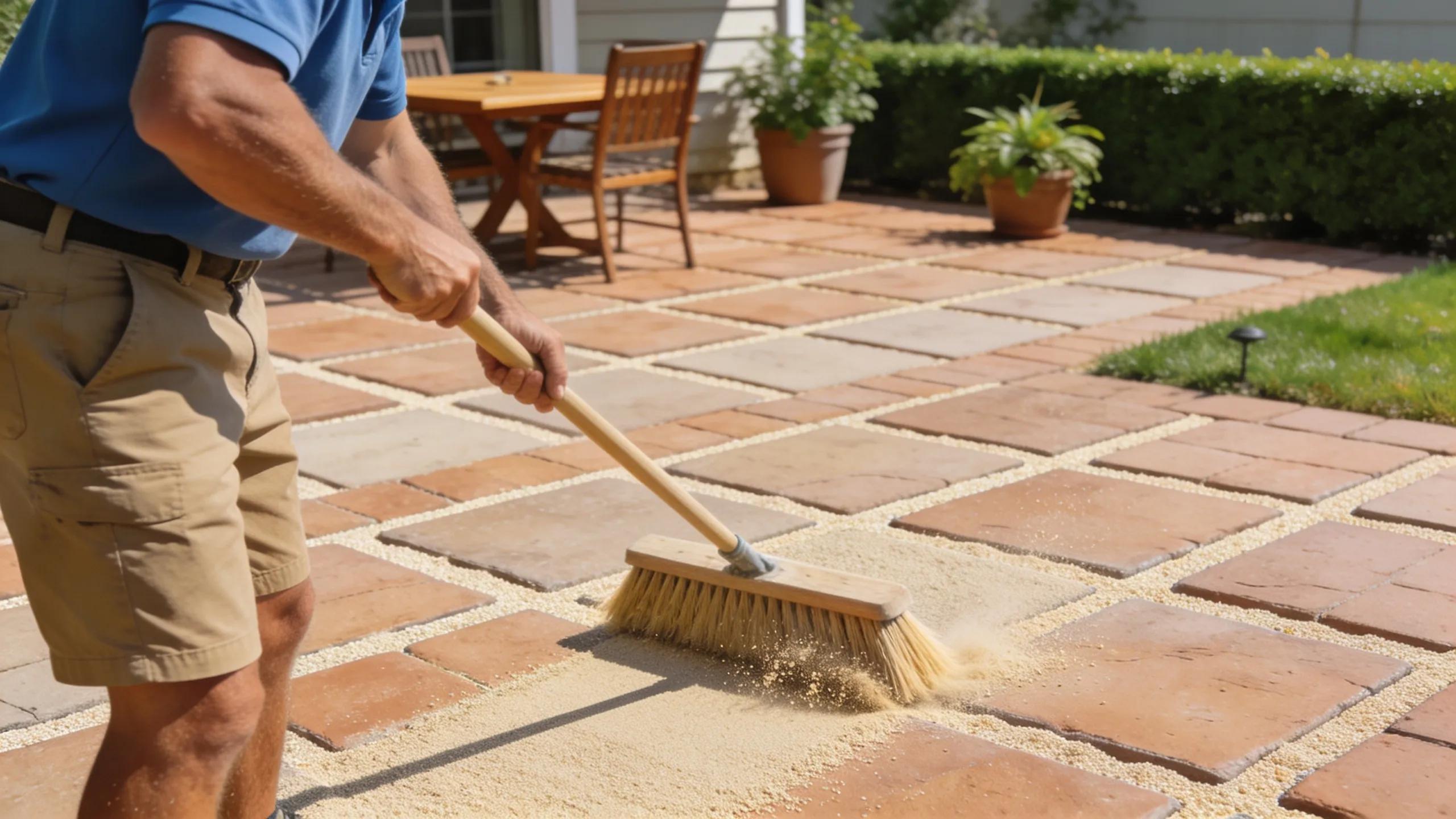
Keep paver joints with polymeric sand clean to protect both the look and strength of your hardscape.
- Cleaning Methods: Regularly sweep the surface to remove debris and prevent weed growth. Use a pressure washer for deeper cleaning, but avoid direct contact with the joints.
- Weed Control: If weeds do appear, remove them promptly to prevent them from taking root in the joints.
- Repair Techniques: If the polymeric sand begins to erode, it may be necessary to reapply sand to maintain the joint’s integrity.
Tips for Cleaning and Repairing Paver Joints
Good cleaning and simple repairs can extend the life of your patio. For base and drainage needs, learn about our topsoil and fill materials.
- Effective Cleaning Methods: Use a broom or leaf blower to keep the surface clear of debris. For stubborn stains, a mild detergent and water solution can be applied.
- Repair Techniques: If you notice any erosion, remove the old sand and reapply polymeric sand, following the installation guidelines for best results.
- Maintenance Routines: Establish a regular maintenance schedule to keep your pavers looking their best and to prevent long-term damage.
Extending the Life of Your Patio in Summerdale’s Climate
Summerdale’s weather can affect patios. Check your patio often and deal with issues quickly. Pick materials that stand up to local rain and heat so your patio lasts longer.
- Seasonal Care Tips: Regularly inspect your patio for signs of wear and address any issues promptly to prevent further damage.
- Material Recommendations: Choose high-quality materials that can withstand local weather conditions, ensuring longevity.
- Common Issues in Summerdale: Be aware of seasonal changes that may affect your patio, such as heavy rainfall or extreme heat, and adjust your maintenance practices accordingly.
This shows why polymeric sand often outperforms regular sand for paver joints. For structural elements and decorative finishes, see our stone selections.
Knowing how polymeric sand works helps homeowners and contractors keep hardscapes looking good and lasting longer. Kirk Allen Landscape Supply is a local source for quality materials and practical advice.
Frequently Asked Questions
1. How long does polymeric joint sand last once applied?
Polymeric sand can last several years. Weather, foot or vehicle traffic, and how well you maintain it affect its lifespan. Regular cleaning and care help it keep working longer.
2. Can polymeric joint sand be used in wet conditions?
Don’t use polymeric sand in wet conditions or if rain is expected soon. Moisture can wash the sand away before it cures. Pick dry, low-humidity days for best results.
3. How do I know if I need to reapply polymeric sand?
Reapply if you see gaps in the joints or weeds growing. Check the joints regularly. If the sand has washed away, clean the area and refill with new polymeric sand.
4. Is there a specific type of polymeric sand recommended for different paver materials?
Yes. Some polymeric sands are made for concrete, brick, or natural stone. Choose a product that matches your paver type and follow the manufacturer’s recommendations.
5. What are the environmental impacts of using polymeric joint sand?
Polymeric sand can reduce the need for herbicides because it helps block weeds. The polymers are synthetic, and their long-term ecological effects are still being studied. Use responsibly sourced products and correct application to reduce impact.
6. Can I use polymeric sand for driveways as well as patios?
Yes. Polymeric sand works for patios and driveways. It can hold up under vehicle traffic when installed correctly. Follow the same cleaning and weather guidelines for both project types.
7. What should I do if the polymeric sand hardens incorrectly?
If the sand hardens incorrectly from too much water or poor application, remove the hardened material and clean the joints. Reapply polymeric sand and follow the recommended curing steps to get a proper finish.
Conclusion
Using polymeric joint sand can improve the stability and look of your hardscape. It helps block weeds and reduces shifting when applied under the right conditions and with good technique. See our range of polymeric joint sand to find the product that fits your project.