Essential Questions to Ask Before Ordering Bulk Hardscape Materials for Your Project
Ordering hardscape materials in bulk is a big step for any landscaping job. Knowing the differences between materials, how much you need, and how delivery works helps you avoid delays and extra costs. This guide walks through the main questions to ask so you can match materials and services to your project goals. We cover types of materials, estimating quantities, delivery, and quality checks so you can plan with confidence.
- Ordering bulk hardscape materials requires understanding different types like decorative stone, crushed stone, and masonry sand.
- Sand and masonry materials influence stability, drainage, and durability in landscaping projects.
- Accurate quantity estimation involves measuring area dimensions and considering material depth for coverage.
- Common mistakes include underestimating material needs and ignoring material density variations.
- Using measurement tools and online calculators improves precision in material quantity calculations.
- Delivery options vary by cost, timing, and accessibility, affecting project scheduling and budget.
- Clear communication with suppliers about delivery fees and site accessibility prevents unexpected costs.
- Verifying material quality through certifications, samples, and supplier reputation ensures project standards are met.
- Coordinating orders with contractors aligns timelines and optimizes material use for project success.
What Types of Hardscape Materials Should You Consider for Bulk Orders?
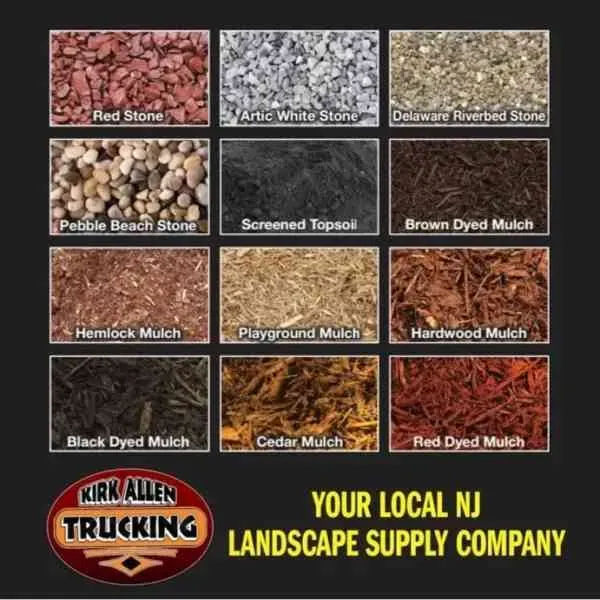
Pick materials that match the job. Decorative stone, crushed stone, masonry sand, and concrete sand all do different jobs. Decorative stone lifts the look of beds and paths, while crushed stone helps with drainage and base layers. Check the options a supplier has so you choose what fits your design and function needs. Many suppliers offer many stone choices for bulk orders.
Think about how the material will look and how long it will last. Mixing materials can give your project more character, but it needs planning so pieces work together. Local suppliers like Kirk Allen Landscape Supply carry materials for both home and commercial jobs, which can make sourcing easier.
How Do Sand and Masonry Materials Affect Your Hardscape Project?
Sand matters for stability and drainage. The right sand keeps pavers and paths from moving and helps water drain away. Choosing the correct sand type will cut down on shifting and settling over time.
Masonry materials affect both the look and toughness of your build. Good bricks or blocks hold up better in weather and give a cleaner finish. Know what your project needs so you can pick materials that last and look right.
How Can You Accurately Estimate the Quantity of Hardscape Materials Needed?

Start with simple measurements. Measure the length and width of the area to get square feet. For gravel or sand, add the layer depth to work out volume. You might also need topsoil and fill for grading or planting areas, so include those in your totals.
Online calculators make this easier. Plug in your dimensions and depths to get a quick estimate. If you’re unsure, ask a supplier or contractor for a second look to avoid ordering too much or too little.
Estimating Quantities for Landscape Materials and Hardscapes
This chapter will address materials and procedures common in landscape and site work estimating. These include earthwork calculations for grading, estimating the quantity of materials for concrete and asphalt paving, masonry, timber and plastic lumber construction, various types of fencing, and plant materials.Means Landscape Estimating Methods, 2007
What Are Common Mistakes When Calculating Bulk Stone and Sand Amounts?
One common mistake is ordering too little. Running out of material causes delays and extra delivery charges. Delivery logistics also matter — if trucks can’t access the site or timing is off, you’ll lose time and money.
Another mistake is not accounting for material density and coverage rates. Different stones and sands pack differently, so the same volume can cover different areas. Check coverage and density before you order.
Which Tools and Methods Help Ensure Correct Material Estimates?
Use basic measurement tools like a tape measure or a laser distance meter for accurate dimensions. Then apply volume math to turn area and depth into how much material you need.
Landscape calculators and project software speed up the work and cut errors. Talking with experienced suppliers or contractors gives practical advice and helps you avoid common estimating mistakes.
What Delivery Options Are Available for Bulk Hardscape Materials?
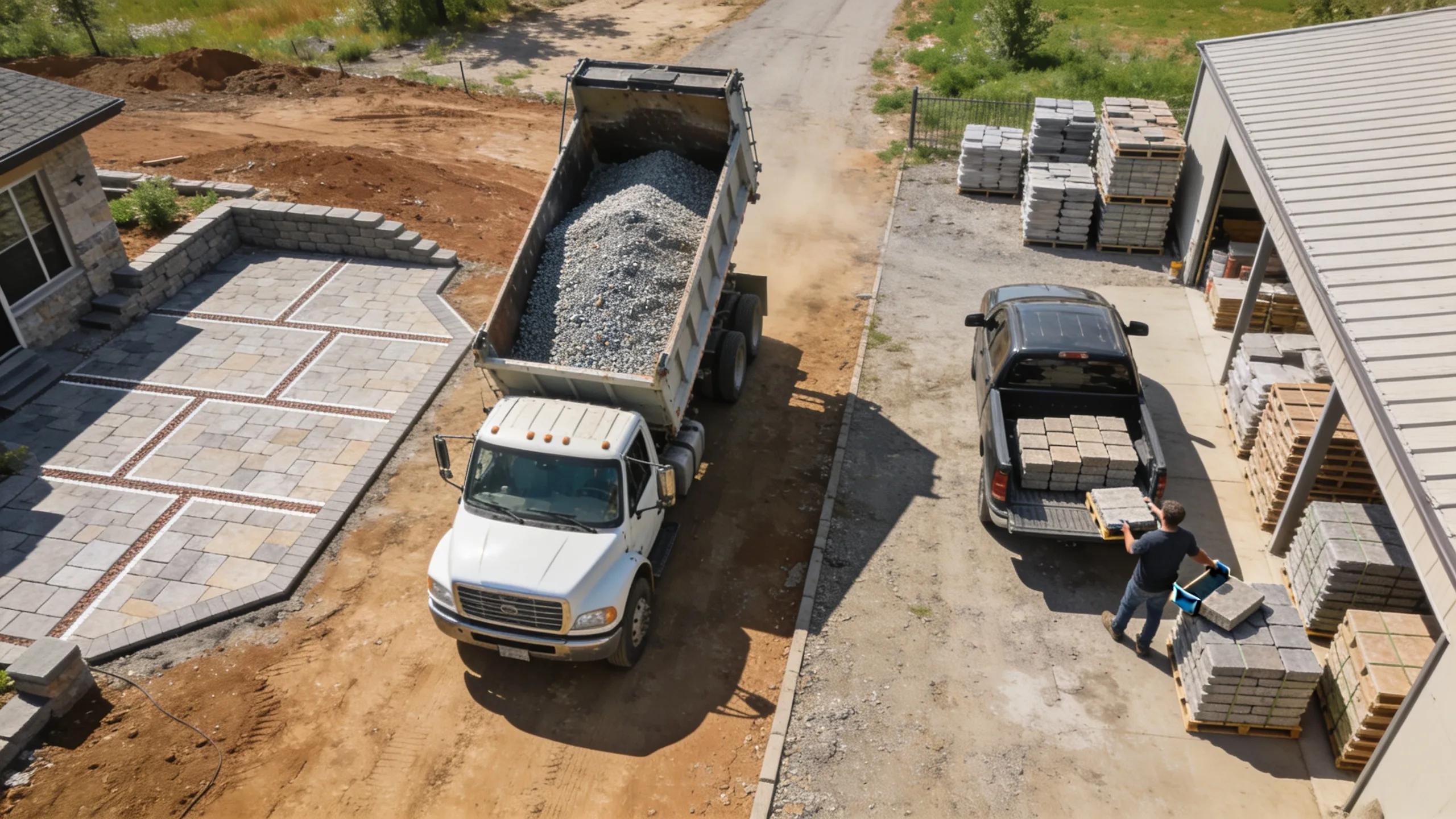
Deliveries usually come two ways: the supplier drops materials at your site, or you pick them up. Each choice has different costs and timing. Suppliers also carry bulk mulches and decorative items if you need those as well.
Some suppliers offer free delivery over a certain order size, while others charge by distance. Talk with your supplier about what they charge so you can pick the best option for your budget and schedule.
This table shows common delivery options and their usual costs so you can pick the best fit for your project.
How Do Delivery Timelines and Scheduling Impact Your Project?
Getting materials on time keeps the job moving. Late deliveries can stall work, raise labor costs, and stretch your schedule.
To reduce delays, tell your supplier when you need materials and confirm delivery dates. Clear timings help crews plan and keep the project on track.
Logistics of Bulk Hardscape Material Supply for Construction
This chapter focuses on the supply of bulk materials and the physical operations involved in getting materials to and from the site. This involves the handling, movement, and storage of materials.Supply chain management and logistics in construction: delivering tomorrow’s built environment, 2015
What Should You Know About Delivery Fees and Accessibility?
Delivery fees depend on distance, weight, and the type of material. Some sites need extra handling or smaller trucks, and that can add fees. Tight driveways, low trees, or narrow streets can affect the delivery method.
Talk about site access with your supplier before delivery. Making sure large trucks can reach the drop spot avoids extra charges and keeps the drop smooth.
Which Questions Should You Ask Your Hardscape Supplier About Material Quality and Pricing?
Ask clear, simple questions so you get the right information. Good questions help you compare suppliers and make a strong choice.
- Quality Certifications: What certifications do your materials hold?
- Pricing Structures: Are there discounts for bulk orders?
- Delivery Terms: What are your policies regarding delivery and returns?
These questions help you judge a supplier’s reliability and the quality of the materials you’re considering.
How Can You Verify the Quality and Source of Bulk Hardscape Materials?
Check for certificates or paperwork that prove material specs. Ask to see samples before you buy a lot. Online reviews and local references give extra assurance. Working with a known local supplier like Kirk Allen Landscape Supply can make sourcing feel safer and simpler.
What Pricing Factors Affect Bulk Stone and Paver Orders?
The material type affects price — some stones cost more than others. Order size matters too; larger orders often lower the per-unit price.
Also factor in delivery distance and any extra services, such as on-site handling or installation help. Add those into your budget so costs don’t surprise you.
How Do You Coordinate Bulk Hardscape Material Orders with Local Contractors?
Talk with your contractor about material choices before you order. Contractors often know which products work best for certain jobs and can help avoid mismatches.
Match delivery dates to the contractor’s schedule so materials arrive when crews are ready. If needs change, update your contractor and supplier quickly to keep the work moving.
What Should You Discuss with Hardscape Contractors in Westchester and Nearby Areas?
When you work with hardscape contractors locally, cover a few key points to keep things smooth.
- Recommended Materials: Discuss which materials are best suited for your specific project.
- Project Timelines: Align on when materials will be delivered and when work will commence.
- Changes in Scope: Address how to handle any adjustments in material needs as the project progresses.
Talking through these items keeps everyone on the same page and cuts down on surprises during the job.
How Can Collaboration Improve Project Efficiency and Material Use?
Working closely with contractors helps you order the right amount and cut waste. When everyone coordinates delivery and work times, the site runs cleaner and crews lose less time waiting for materials.
Local contractors also share practical tips on using materials the right way, which can improve how long the work lasts and how it looks.
Frequently Asked Questions
What types of accessories or tools should I have on hand for installing hardscape materials?
Basic tools make the job easier and safer. Have a level to check flatness, a tamper or plate compactor to firm the base, and a hoe or rake to spread materials evenly. Edge restraints keep materials in place. Bring gloves and safety glasses, and a concrete saw if cutting masonry is needed. The right tools speed work and improve the finish.
Can I mix different types of hardscape materials in one project?
Yes. Mixing materials can look great and add function, such as combining decorative stone with gravel for drainage. Make sure the materials work together so you don’t get drainage or settling problems. Talk to a supplier or contractor about compatible mixes before you order.
How can I ensure that bulk materials stay within budget?
Set a clear budget first and share it with your supplier. Get a few quotes to compare prices and services. Track spending as you buy, and consider ordering in stages if that helps cash flow. Using local suppliers can cut delivery costs and keep the budget steadier.
What should I do if my order arrives damaged or incorrect?
Take photos and note what’s wrong right away. Contact your supplier with your order info and photos. Most suppliers have return or exchange steps and will work to fix the problem. Acting fast helps keep the project on schedule.
Are there specific environmental considerations with hardscape materials?
Yes. Permeable pavers and other porous materials help water drain into the ground and reduce runoff. Using local materials cuts transport emissions. Look for products with environmental certifications or recycled content if that matters to you. A sustainable landscaping pro can give tailored advice.
How do seasonal changes affect hardscape material selection?
Season affects both material choice and timing. Avoid laying some materials in extreme heat or cold. Freeze-thaw cycles can damage certain products like concrete, so pick materials rated for your climate. Also think about how colors and plants will look across the seasons when you plan the design.
Conclusion
Good planning makes bulk orders work for you. Know the material types, measure for the right quantities, and check quality before you buy. Talk with local suppliers and contractors so deliveries and installs line up. That approach helps you finish the job on time with materials that look and last well.