
Retaining Wall Base Materials: Gravel, Sand, and Backfill Explained
By Louie Paracuelles, Kirk Allen Landscape Supply
A successful retaining wall installation Mount Calm starts with the right base materials: gravel, sand, and backfill. These parts control drainage, stability, and how long the wall will last. This article explains what each material does, how to pick the right kinds, and simple best practices for installation. Homeowners and contractors in Mount Calm and Northern New Jersey often struggle with these choices, and using the wrong material can lead to failures. By understanding the roles of gravel, sand, and backfill, you can plan a retaining wall installation that stands stronger and lasts longer. We cover the key functions, how to select the right types, and local tips for Mount Calm and Northern New Jersey. For quality options, check high-quality gravel and fine sand.
- Gravel and sand are essential base materials that provide drainage and stability for retaining walls.
- Gravel prevents water buildup behind the wall, reducing hydrostatic pressure and erosion risks.
- Sand acts as a leveling layer, filling gaps and ensuring an even foundation for the wall.
- Properly compacted backfill supports the wall and prevents shifting or settling over time.
- Clean, well-graded gravel like crushed stone #57 improves drainage and base stability.
- Sand should not be used alone as it lacks compaction strength needed for heavy loads.
- Avoid clay, loose sandy soils, and poorly draining materials as backfill behind retaining walls.
- Incorrect installation, such as skipping gravel or improper compaction, can cause structural failure.
- Local soil and climate conditions in Mount Calm and Northern New Jersey influence material selection.
Why Are Gravel and Sand Essential for Retaining Wall Bases?
Gravel and sand each have a clear job in a retaining wall. Gravel drains water away so pressure doesn’t build up behind the wall. Sand helps level the base and fill small gaps so the wall sits evenly. Used together, they cut down on erosion and movement that can cause the wall to fail.
Kirk Allen Landscape Supply carries several gravel and sand options made for a retaining wall installation in Mount Calm, so you can get the right materials for your job.
How Do Gravel and Sand Support Wall Stability and Drainage?
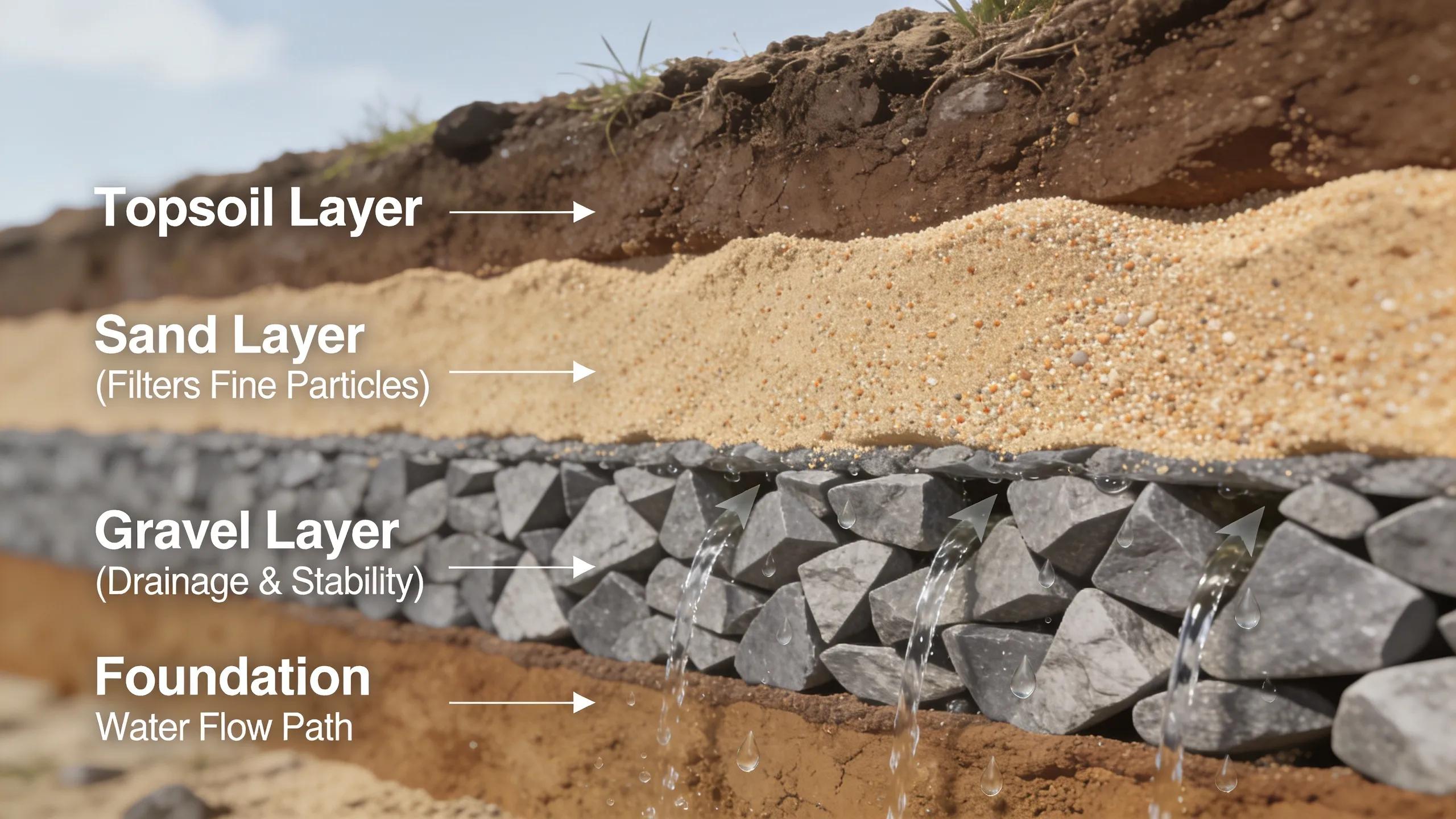
The base materials affect how stable the wall will be. Gravel creates space for water to move, which stops pooling and reduces erosion. Sand fills gaps and gives a flat surface so the wall’s weight spreads evenly. If these layers aren’t installed correctly, the wall can settle or shift.
What Roles Do These Materials Play in Preventing Wall Failure?
Each material helps the wall in a different way. Gravel keeps water from pooling and cutting into the soil. Sand gives a smooth bedding layer for the wall blocks or stones. Compact, well-chosen backfill holds the soil in place and stops the wall from leaning or falling over time.
How to Choose the Right Gravel for Your Retaining Wall Base
Selecting the right gravel matters for a long-lasting retaining wall installation in Mount Calm. Think about size, drainage, and what’s available locally. Below are a few simple points to guide you.
- Gravel Size and Type: Choose gravel that is well-graded and clean, as this will provide better drainage and stability.
- Drainage Capabilities: Ensure that the gravel allows for adequate water flow to prevent pooling and erosion.
- Local Availability: Consider sourcing your gravel from local suppliers like Kirk Allen Landscape Supply, which offers a range of options tailored to the needs of New Jersey landscapes.
What Gravel Sizes and Types Work Best for Drainage?
Some gravel works better for drainage than others. These are common good choices:
- Crushed Stone #57: Ideal for drainage due to its angular shape, which allows for better water flow.
- Washed Clean Stone: Prevents sediment buildup and maintains drainage efficiency.
- Pea Gravel: While aesthetically pleasing, it is less effective for structural use compared to larger gravel types.
Why Is Clean, Well-Graded Gravel Important for Base Layers?
Clean, well-graded gravel helps water move through and keeps the base stable. That reduces the chance the wall will shift or settle. Well-graded gravel creates a more stable base and makes the whole structure more reliable.
What Is the Role of Sand in Retaining Wall Base Preparation?
Sand is used as a bedding layer to level the base and fill small gaps. A level surface helps the wall sit solidly and lowers the chance of movement or uneven settling.
How Does Sand Help with Leveling and Drainage?
Sand’s fine texture helps it pack into gaps and create a smooth bed for the wall. Sand promotes water flow away from the wall and helps prevent moisture-related problems that can weaken the structure.
Can Sand Alone Provide a Stable Base for Retaining Walls?
Sand is useful, but it shouldn’t be the only material. Sand does not compact well enough for heavy loads. For best results, use sand together with gravel so you get both support and drainage.
Which Backfill Materials Are Best for Retaining Wall Support?
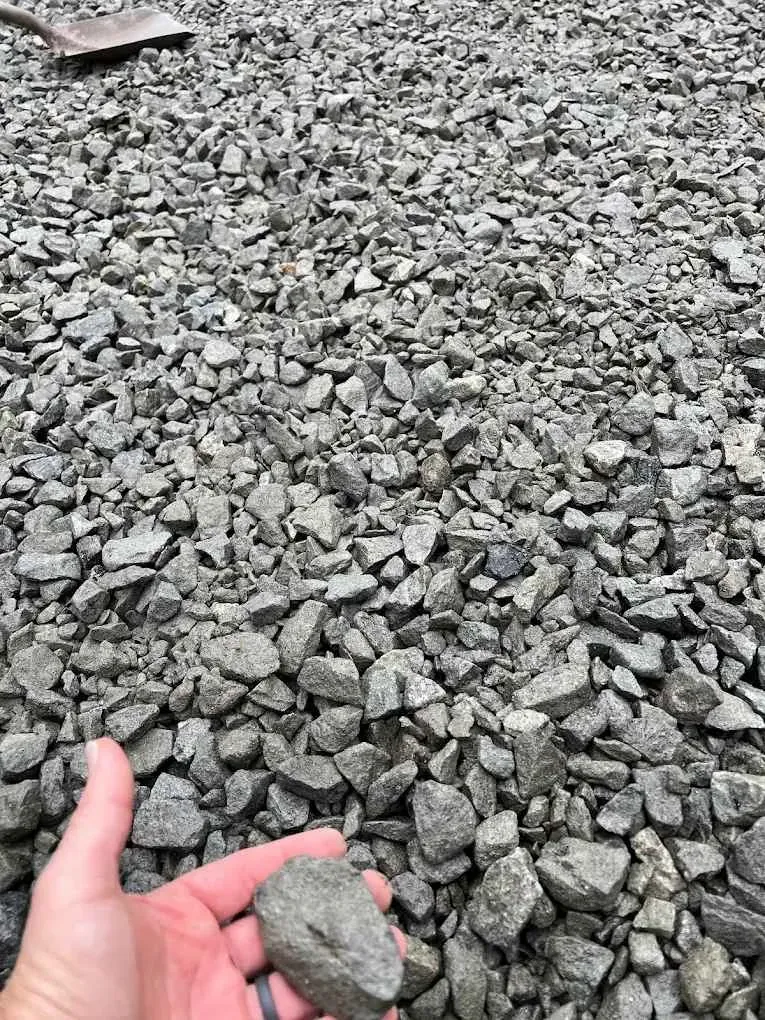
Pick backfill materials that drain and compact well. Good options include gravel for drainage and sand for leveling. Avoid loose or poorly compacted soils that can shift and put pressure on the wall.
For various fill and backfill needs, Kirk Allen Landscape Supply provides reliable backfill solutions.
How Does Proper Backfill Improve Drainage and Soil Compaction?
Proper backfill improves both drainage and compaction. Gravel helps water move away from the wall, and compacted layers keep the soil from settling later. That support reduces movement and prolongs the wall’s life.
What Soil Types Should You Avoid Behind Retaining Walls?
Avoid soils that hold water or shift easily. Clay soaks up water and raises pressure on the wall. Loose, sandy soils won’t hold firm and can move. Any poorly draining material can cause buildup and erosion.
What Common Installation Mistakes Should You Avoid?
Watch for these common errors when building a retaining wall:
- Skipping the Gravel Base: This can lead to inadequate drainage and increased pressure on the wall.
- Using Fine Sand Instead of Concrete Sand: Fine sand does not provide the necessary support for the wall.
- Not Compacting Layers Properly: This can result in uneven settling and structural issues.
How Does Improper Base Compaction Affect Wall Longevity?
Poor compaction lets layers settle unevenly, which raises the chance the wall will lean or crack. Well-compacted layers keep the wall steady and lower future repair needs.
Why Is Correct Drainage Setup Critical for Retaining Walls?
Good drainage prevents water from building up behind the wall. That reduces pressure and erosion, keeping the wall stable and functional for longer.
What Local Tips Apply to Retaining Wall Materials in Mount Calm and Northern New Jersey?
For Mount Calm and Northern New Jersey, check your local soil type and weather when choosing materials. Pick products that match those conditions and talk to local suppliers for practical advice on what works best here.
How Do Local Soil and Climate Conditions Influence Material Choice?
Soil type changes how water moves and how much support you need. Climate affects how materials age. A local supplier can help you pick materials that suit your site and weather patterns.
Where Can You Find Trusted Retaining Wall Supplies Near Mount Calm?
Kirk Allen Landscape Supply stocks gravel, sand, and backfill choices that fit local needs. Talk with their team to match materials to your project and get guidance on the right products for your site.
Frequently Asked Questions
What factors should I consider when selecting backfill materials for retaining walls?
Look at how well the material drains, how it compacts, and what the local soil is like. Gravel drains well and helps prevent water buildup. Make sure the backfill can be compacted tight so it doesn’t shift. Avoid expansive clay or loose sand that can damage the wall. When unsure, check local rules or ask a professional.
How can I ensure proper compaction of materials in my retaining wall construction?
Use a mechanical compactor for larger areas or a hand tamper for small spots. Place backfill in layers about 6 inches thick, and compact each layer before adding the next. Keep the material at a consistent moisture level to help it compact better.
Are there alternative materials to sand and gravel for retaining wall bases?
Yes. Recycled concrete aggregate and crushed stone can work well. Recycled concrete drains and is more eco-friendly, while crushed stone locks together because of its shape. Make sure any alternative meets the engineering needs of your project and check with a landscape pro if you’re unsure.
How do landscaping features affect retaining wall functionality?
Plants can help or hurt a wall. Shallow-rooted plants can reduce erosion, but large trees hold moisture and add pressure. Pick low-maintenance, shallow-rooted plants near the wall and plan landscaping so it won’t block drainage.
What maintenance practices are recommended for retaining walls?
Inspect the wall for cracks or leaning and check drains for debris. Clear any sediment from drainage areas and keep plants from trapping moisture against the wall. If you see major erosion or movement, call a professional to assess repairs.
How does climate change impact the materials used for retaining walls?
Stronger storms and wetter periods can increase water pressure and saturation in soil. That means choosing backfill and drainage that handle more water and avoid materials that soak up moisture. Talk to local experts about adjustments for changing weather in your area.
Conclusion
Using the right base materials—gravel, sand, and solid backfill—helps your retaining wall installation in Mount Calm last. These materials improve drainage and give the wall a stable foundation. For help picking the best options and getting quality products, consult a local supplier like Kirk Allen Landscape Supply to start your project with confidence.