
Wall Stone Buying Guide: Choosing the Right Type and Size for Your NJ Project
-
New Jersey‘s freeze-thaw cycles require selecting wall stones that resist cracking and weathering.
-
Stone color and texture should complement home architecture and landscape for cohesive outdoor aesthetics.
-
Functional needs dictate stone choice; larger stones suit retaining walls, smaller stones fit decorative uses.
-
Maintenance varies by stone type; some require sealing while others need minimal upkeep for longevity.
-
Budget planning should include stone cost, installation, and maintenance to ensure financial feasibility.
-
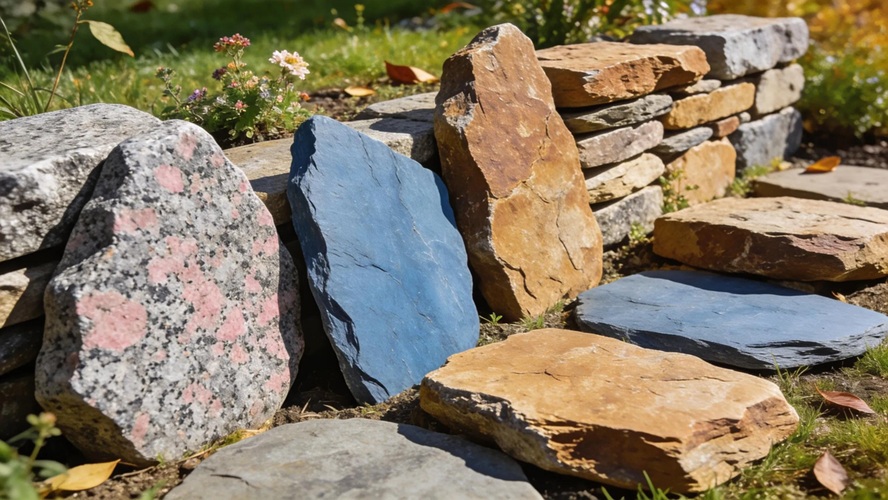
Granite, bluestone, and fieldstone are durable, popular options suited for New Jersey landscaping projects.
-
Stone size impacts wall stability and appearance; large stones provide strength, small stones enhance design detail.
-
Dry stack installation allows flexibility and drainage, while mortared walls offer permanent structural support.
-
Proper drainage and base preparation prevent erosion and structural damage to stone retaining walls.
Local Climate
Aesthetic Preferences
Functional Requirements
Maintenance Considerations
Budget
What Are Typical Price Ranges for Different Stone Types and Sizes?
-
Granite Wall Stone: $300 – $500 per ton, known for its durability and resistance to weathering.
-
Bluestone Wall Stone: $250 – $400 per ton, popular for its unique color variations and aesthetic appeal.
-
Fieldstone Wall Stone: $200 – $350 per ton, offers a natural look and is often used for rustic designs.
Local availability and supplier pricing can change these ranges, so check with your supplier for exact costs.
How Can You Balance Quality and Budget for Your Stone Wall Project?
-
Research Suppliers: Compare prices and quality from different suppliers to find the best value.
-
Consider Alternatives: Explore different stone types that may offer similar aesthetics at a lower cost.
-
Plan for Installation: Factor in installation costs when budgeting, as professional installation can significantly impact overall expenses.
Looking at these points helps you pick quality stone without overspending.
Expert Guidance
Talk to local suppliers and experts. They know which stones work best in New Jersey and can point you to the right choices for your soil and weather.
They can advise on installation and upkeep so your wall lasts. Working with knowledgeable people saves time and helps avoid costly mistakes.
What Types of Wall Stone Are Best Suited for New Jersey Landscapes?
-
Granite Wall Stone: Highly durable and resistant to weathering, making it ideal for retaining walls.
-
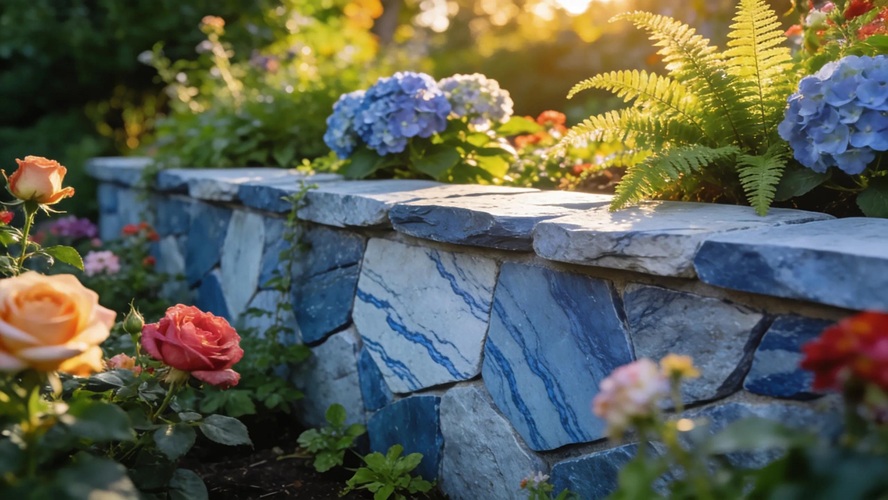
Bluestone Wall Stone: Offers a unique color palette and is suitable for both decorative and functional applications.
-
Fieldstone Wall Stone: Provides a natural, rustic look and is often used in garden walls and landscaping features.
These types give both visual appeal and the durability you need for long-lasting walls.
How Do Granite, Bluestone, and Fieldstone Compare for Wall Construction?
Each stone has strengths that make it better for certain uses. Knowing those differences helps you choose the right one.
-
Granite: Known for its strength and durability, granite is an excellent choice for retaining walls that require stability. Its resistance to weathering makes it a long-lasting option.
-
Bluestone: This stone is favored for its aesthetic qualities, offering a range of colors and textures. It is versatile and can be used for both functional and decorative walls.
-
Fieldstone: Fieldstone is often used for its natural appearance, making it ideal for rustic designs. While it may not be as strong as granite, it provides a charming look for garden walls.
Use granite where strength matters, bluestone when you want color and texture, and fieldstone for a natural, rustic feel.
Which Natural Stone Options Offer Durability and Aesthetic Appeal in NJ?
-
Granite: Its exceptional strength and resistance to weathering make it a top choice for long-lasting structures.
-
Bluestone: This stone‘s unique colors and textures add visual interest while maintaining durability.
-
Limestone: Known for its natural beauty, limestone offers a softer look and is suitable for various landscaping applications.
Each of these helps your landscape look great and stand up to the elements.
How to Choose the Right Wall Stone Size for Your Retaining or Garden Wall
Stone size affects both the look and the strength of your wall. Pick size based on the job and the look you want.
-
Purpose of the Wall: Retaining walls typically require larger stones for stability, while decorative walls can use smaller stones for intricate designs.
-
Visual Proportions: Ensure that the size of the stones complements the scale of your landscape and home.
-
Installation Method: Some installation methods may require specific stone sizes for optimal results.
Thinking through these details helps you choose sizes that work well and look right.
What Are the Common Wall Stone Sizes and Their Ideal Uses?
-
Large Stones (12-24 inches): Best for retaining walls, providing stability and strength.
-
Medium Stones (6-12 inches): Suitable for both retaining and decorative walls, offering versatility.
-
Small Stones (2-6 inches): Ideal for decorative applications, such as garden borders or pathways.
Match these size ranges to the wall’s purpose to get the right fit.
What Mistakes Should You Avoid When Selecting Stone Sizes?
-
Overestimating Size Needs: Choosing stones that are too large can lead to structural issues and an unbalanced appearance.
-
Ignoring Local Conditions: Failing to consider soil type and drainage can affect the performance of your wall.
-
Neglecting Aesthetic Proportions: Selecting sizes that do not complement your landscape can detract from the overall design.
Watching for these issues helps you pick stone sizes that work well and look balanced.
What Installation Methods Work Best for Wall Stone in New Jersey?
The installation method matters. In New Jersey, dry stack and mortared walls are common. Each has pros and cons depending on the site and the job.
Dry stack means stacking without mortar. It drains well and moves slightly with the ground. Mortared walls use mortar for a permanent, stronger hold. Choose the method that fits the wall’s purpose and the site conditions.
When Should You Use Dry Stack vs. Mortared Wall Stone Installation?
-
Dry Stack: Best for areas with good drainage and where flexibility is needed. It allows for natural movement and is easier to repair.
-
Mortared: Ideal for retaining walls or structures requiring additional strength. This method provides a solid, permanent installation.
Know the advantages of each so you can pick the right approach for your site.
What Local Climate and Soil Factors Affect Wall Stone Installation?
-
Soil Type: Different soil types can affect drainage and stability. Sandy soils may require additional support, while clay soils can retain moisture.
-
Weather Conditions: Seasonal changes, such as freeze-thaw cycles, can influence the choice of stone and installation method. Proper drainage is essential to prevent damage.
Plan for these local conditions so the wall stays stable and durable.
How Much Does Wall Stone Cost in NJ and What Affects Your Budget?
Cost depends on stone type, size, and quality. Knowing the factors that affect price helps you plan a realistic budget.
Price Breakdown by Stone Type and Size
|
Stone Type
|
Size Range
|
Price Range
|
|---|---|---|
|
Granite Wall Stone
|
Large (12-24 in)
|
$300 – $500 per ton
|
|
Bluestone Wall Stone
|
Medium (6-12 in)
|
$250 – $400 per ton
|
|
Fieldstone Wall Stone
|
Small (2-6 in)
|
$200 – $350 per ton
|
How Can You Balance Quality and Budget for Your Stone Wall Project?
-
Research Options: Compare different stone types and suppliers to find the best value.
-
Consider Long-Term Costs: Investing in higher-quality stones may reduce maintenance costs over time.
-
Consult Experts: Engage with local suppliers to gain insights into cost-effective options that meet your needs.
These steps help you pick stone that lasts without overspending now.
How Do You Maintain and Extend the Life of Your Stone Retaining Wall?
Regular care keeps a retaining wall working and looking good. Small checks and simple tasks prevent big problems later.
What Are Common Maintenance Tasks for Wall Stone in NJ?
-
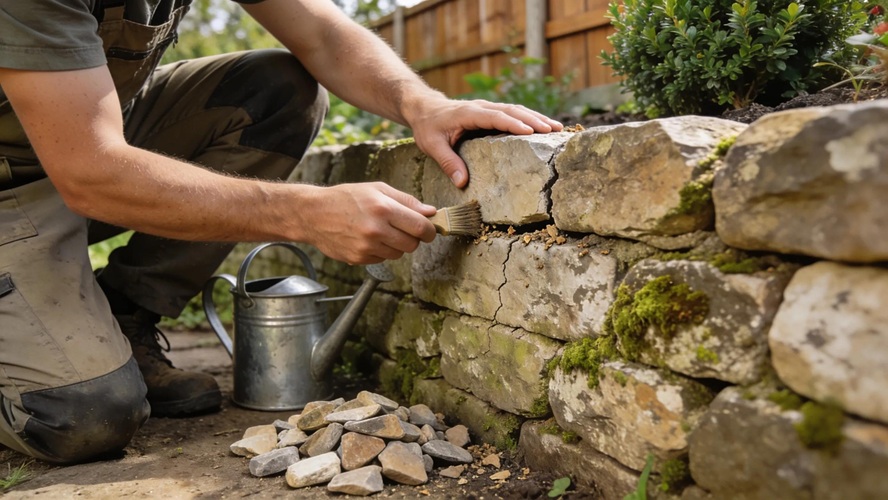
Regular Inspections: Check for cracks or shifting stones and address issues promptly.
-
Cleaning: Remove dirt and debris to maintain the wall’s appearance.
-
Weed Control: Prevent weeds from growing between stones, which can cause damage over time.
Do these tasks every season and your wall will stay strong and neat.
How Does Proper Drainage and Base Preparation Prevent Wall Damage?
-
Drainage: Ensuring adequate drainage prevents water accumulation, which can lead to erosion and structural issues.
-
Base Preparation: A well-prepared base provides stability and support for the wall, reducing the risk of shifting or settling.
Focus on drainage and base work during installation to avoid costly repairs later.
Frequently Asked Questions
1. What Should I Consider When Choosing Wall Stone for a DIY Project?
Think about your skill level, the tools you have, and how hard the installation will be. Pick stones you can handle safely. Start small and simple so you learn the basics before tackling larger walls. Always plan drainage and a proper base to prevent problems later.
2. How Do Weather Conditions Influence the Choice of Wall Stone?
Weather affects stone performance. Freeze-thaw cycles can cause cracking in some stones. Choose stones such as granite and bluestone that resist these cycles, or plan for extra protection like sealing. Know how each stone reacts to moisture and temperature changes.
3. What Are the Environmental Impacts of Using Natural Wall Stones?
Quarrying can affect habitats, but using local stone cuts transport emissions and supports nearby businesses. Natural stone often has a lower carbon footprint than synthetic alternatives. Check where the stone comes from and choose local options when possible.
4. What Is the Best Way to Seal and Maintain Wall Stones?
Start by cleaning stones to remove dirt. Then apply a sealant that fits the stone type and follow the maker’s instructions. Check stones regularly for cracks and clean them as needed. A simple seasonal routine keeps the wall in good shape.
5. How Can I Improve the Drainage Around My Wall Stone Installation?
Grade the base to move water away from the wall. Use gravel backfill or drainage pipe behind the wall to channel water out. Planting the right vegetation nearby can also help absorb excess water. Clear paths for runoff so water won’t pool against the wall.
6. Can Wall Stone Be Used for Other Applications Beyond Landscaping?
Yes. Wall stones work well for outdoor kitchens, fire pits, water features, patios, and even indoor accents. Their durability and look help add value and character to many spaces.
7. What Are Common Mistakes to Avoid When Installing Wall Stones?
Common mistakes include poor site prep and ignoring drainage. Make sure the base is compacted and level. Don’t pick stones that are the wrong size for your design. Plan for stone weight and get advice if you’re unsure to avoid costly fixes later.
Conclusion
Picking the right stone type, size, and installation method for your local conditions makes a big difference in how long your wall lasts and how it looks. Talk with local experts for advice that fits your site and goals, then plan and start your project with confidence.