
What Stone You Need to Build a Retaining Wall: A Practical Material Breakdown for NJ Homeowners and Contractors
By Louie Paracuelles, Kirk Allen Landscape Supply
Picking the right stone matters for how your wall works and how it looks. Retaining walls hold back soil, stop erosion, and create level areas in a yard. This article breaks down stone types that work well for retaining walls in New Jersey. We cover each stone’s traits, typical uses, and local concerns for homeowners and contractors. Knowing the differences helps you choose materials that last and look good. We’ll go over bluestone, granite, flagstone, and more, plus selection tips, common mistakes, and installation advice.
- Bluestone offers durability and natural resistance to fading, suitable for retaining walls and complementary landscaping.
- Granite provides high strength and weather resistance, ideal for heavy-traffic areas like driveway edging.
- Flagstone’s irregular shapes and colors create unique, rustic retaining walls, enhancing outdoor visual appeal.
- Proper drainage stone behind retaining walls prevents water buildup, reducing erosion and structural failure risks.
- Crushed stone is cost-effective and excellent for drainage, making it a practical base material for retaining walls.
- Selecting stone requires considering durability, aesthetics, maintenance, and local New Jersey climate conditions.
- Common mistakes include choosing stone solely by cost, ignoring drainage needs, and overlooking local climate effects.
- Layering stones with larger bases and staggered patterns improves retaining wall stability and water flow management.
- Ordering extra stone and sourcing from reputable local suppliers ensure quality materials and smooth installation.
Bluestone
Bluestone has a smooth feel and blue‑gray color that looks great in a yard. It’s tough and holds its color well over time. That makes it a solid pick for retaining walls that need to look good and stay durable. Bluestone also works nicely for patios and walkways, so it can tie a whole project together.
Granite
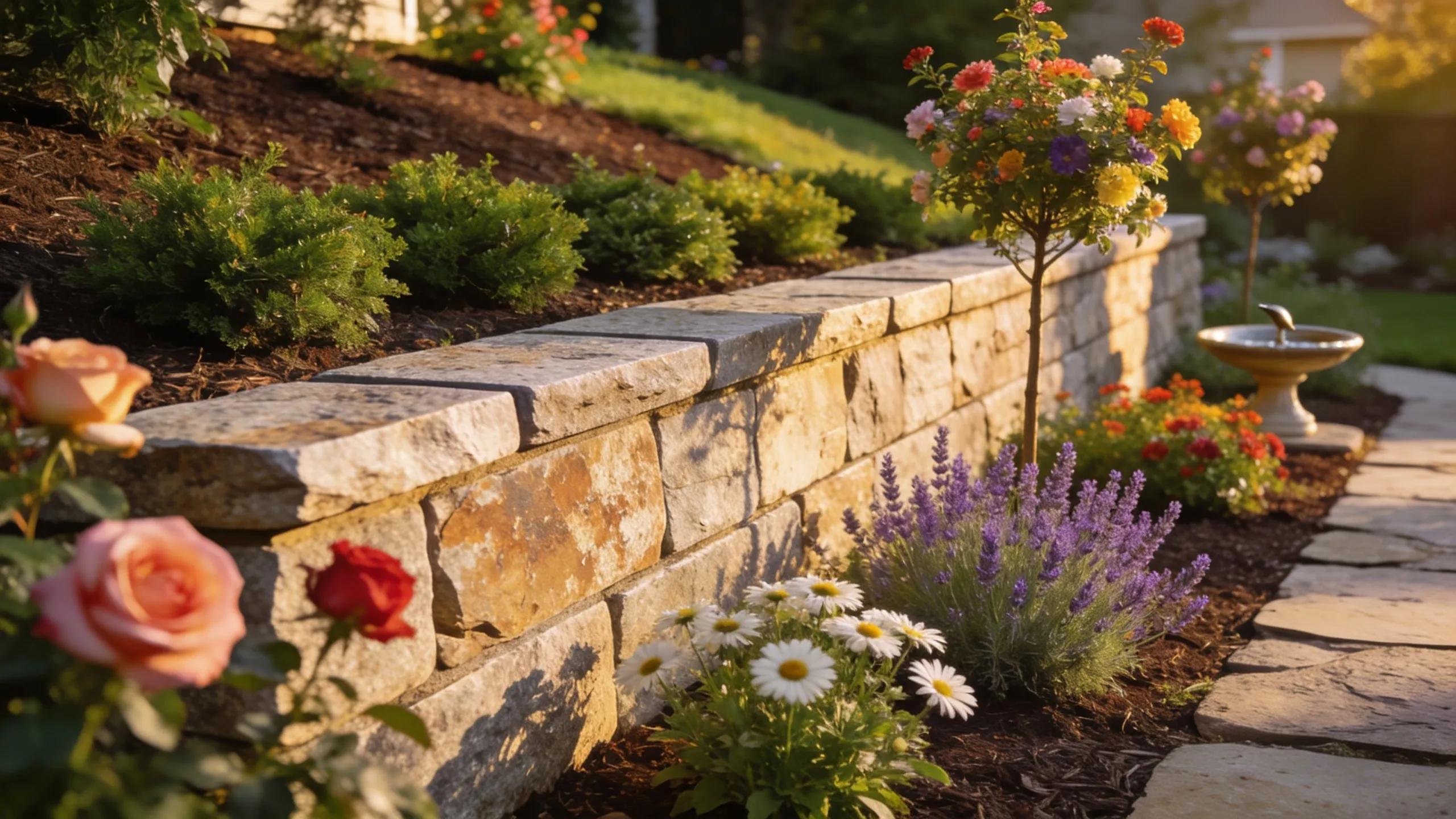
Granite is known for its strength and resistance to stains. It stands up to harsh weather and heavy use, so it’s a good choice for driveway edges and other high‑traffic spots. Granite also adds a clean, classic look to any landscape.
Flagstone
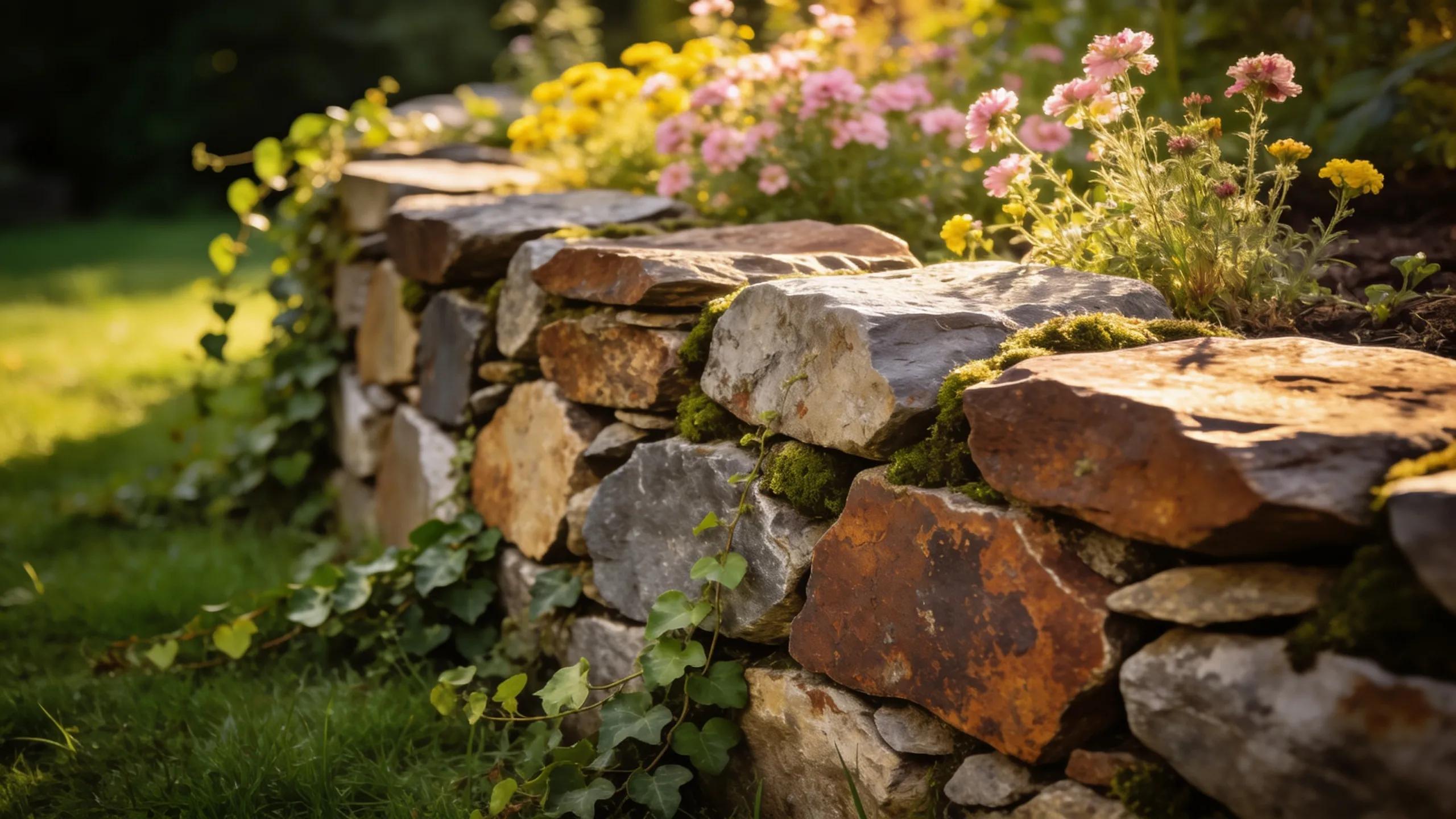
Flagstone comes in large, flat pieces with irregular shapes. That makes it great for creative layouts and rustic styles. The color and texture changes give a natural, handcrafted look that blends well with plants and hardscape.
River Rock
River rock has smooth, rounded stones and works well for dry creek beds and natural drainage features. It softens hard lines in a design and is often used with other materials to help water move away from a wall and prevent erosion.
Belgian Block
Belgian block is made of large granite cubes and is built for heavy use. You’ll often see it in driveway aprons and strong retaining walls. Its size and strength mean it lasts a long time under tough conditions.
Limestone
Limestone gives a soft, creamy look that many homeowners like. When it’s sealed, it becomes more durable and resists weathering. A honed finish improves the look and helps the stone last, so it’s a good pick for a refined style.
Crushed Stone and Gravel
Crushed stone and gravel come in many sizes and are useful for walls, paths, and ground cover. They drain well and are usually affordable and easy to install. That makes them a common choice for both homeowners and contractors.
Practical Considerations for Selection
When you pick stone, think about what the wall must do, how much wear it will see, and how you want it to look. Those factors help you choose something that works and fits your style. Local New Jersey suppliers can offer options that match your site and budget. Explore the stone options available at Kirk Allen Landscape Supply.
Which Types of Stone Are Best for Retaining Walls?
Finding the best stone means looking at each material’s strength, drainage, and appearance. Here are top choices to consider:
- Crushed Stone: Ideal for drainage and stability, making it a practical choice for base materials.
- Granite: Offers durability and resistance to weather, suitable for high-traffic areas.
- Flagstone: Provides aesthetic appeal with its unique shapes and colors, perfect for decorative walls.
What Are the Benefits of Crushed Stone for Retaining Walls?
Crushed stone has a few clear benefits for walls:
- Excellent Drainage: Its angular pieces let water pass through, which lowers erosion risk.
- Low Maintenance: Once it’s in place, it usually needs little upkeep.
- Cost-Effective: It’s often cheaper than many other stone choices.
How Does Gravel Compare as a Retaining Wall Material?
Gravel can be a budget-friendly option, but it has trade‑offs. You can find different sand and gravel types to match your job.
- Cost-Effective: Gravel is usually less expensive than many stones.
- Shifting Issues: It can move over time and may need adjustments.
- Limited Aesthetic Appeal: Gravel is mostly functional and may not add much visual impact.
Why Is Drainage Stone Crucial Behind Retaining Walls?
Drainage stone helps water move away from the wall. That stops water from building up and cutting into the soil. Good drainage keeps the wall stronger and protects the surrounding landscape.
How Does Proper Drainage Prevent Retaining Wall Failure?
Proper drainage lowers the pressure that water puts on a wall. If water builds up, it can push and damage the structure. Using drainage stone helps manage that water and reduces the chance of collapse.
What Stone Sizes Work Best for Drainage Behind Retaining Walls?
Picking the right stone sizes matters for drainage. The table shows common options and where to use them.
The table shows how different stone sizes affect drainage and help keep your wall working well. You may also want to use topsoil and fill as part of the project.
What Are Common Mistakes When Selecting Stone for Retaining Walls?
Picking the wrong stone can cause problems later. Common mistakes include:
- Choosing Solely Based on Cost: The cheapest option can mean lower quality and a shorter lifespan.
- Ignoring Local Climate: Some stones don’t stand up well to local weather patterns.
- Overlooking Drainage Needs: Poor drainage often leads to water damage and wall failure.
How Can Incorrect Stone Choice Affect Wall Stability?
Using the wrong material can hurt a wall’s strength. A stone that can’t handle local weather may crack or wear quickly. Stones that don’t allow water to drain can let pressure build up behind the wall.
What Trade-offs Should You Consider When Picking Stone Types?
Think about these trade‑offs when you choose stone:
- Durability vs. Cost: Better stone often costs more but lasts longer.
- Aesthetic Options: Some stones look great, others are more about function.
- Maintenance Requirements: Ask how much upkeep each type needs over time.
How Do Local NJ Conditions Influence Retaining Wall Stone Selection?
New Jersey’s soil and weather affect which stones work best. Soil type, climate, and site conditions help decide the right material for your wall.
What Are Northern New Jersey’s Soil and Climate Considerations?
Northern New Jersey has different soils and a freeze‑thaw cycle to watch for. Heavy clay holds water, so you’ll need stones and drainage that move water away. Cold cycles can cause some materials to crack if they aren’t suitable.
How Does Local Availability Affect Stone Choices and Delivery?
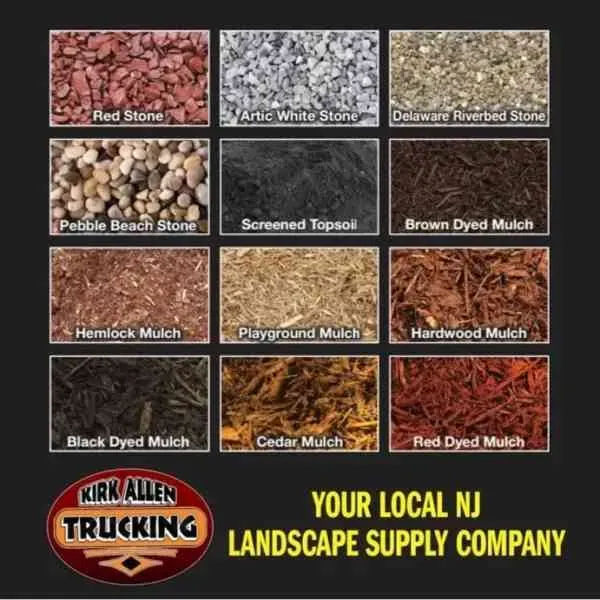
What’s available nearby can affect both your choice and delivery plans. Sourcing stone from local suppliers can cut transport time and cost and help you get materials when you need them. You might also use mulches as a finishing touch in the landscape.
What Are Practical Installation Tips for Using Stone in Retaining Walls?
Good installation makes a wall last. Here are a few practical tips to follow:
- Layering Techniques: Use a staggered pattern when layering stones to enhance stability and prevent shifting.
- Best Practices for Ordering: Ensure you order enough material to account for waste and adjustments during installation.
- Installation Methods: Consider using a professional service for complex installations to ensure proper techniques are employed.
How Do You Layer Stone Properly for Strength and Drainage?
Layer stones with larger pieces at the base and smaller ones on top. That builds a stronger foundation and helps water flow through the wall instead of trapping it.
What Are Best Practices for Ordering and Delivering Stone Locally?
Follow these simple ordering and delivery tips:
- Ordering Tips: Always order slightly more than needed to account for cuts and waste.
- Delivery Considerations: Schedule deliveries during off-peak hours to avoid delays.
- Supplier Selection: Choose a reputable local supplier to ensure quality materials and reliable service.
Frequently Asked Questions
What is the lifespan of different types of stones used for retaining walls?
Stone lifespans vary by material. Bluestone can last 50 years or more thanks to its weather resistance. Granite can exceed 100 years, making it very long‑lived. Flagstone often lasts 20–40 years depending on how it’s installed. River rock and Belgian block are also long‑lasting, though weather and soil can affect their durability.
Are there specific installation techniques recommended for different types of stones?
Yes. Bluestone walls are often built to spread weight evenly for strength. Granite needs a solid foundation for heavy use. Flagstone does well with a staggered layout to lock pieces together. River rock needs careful drainage so the round stones don’t shift and cause erosion.
How do I maintain my retaining wall after installation?
Check your wall each year for cracks or shifted stones, especially after heavy rain. Keep drainage clear of debris. Reseal limestone or flagstone when needed to protect them. Watch plants near the wall so roots don’t push on the stones. Regular cleaning also keeps the wall looking its best.
Can I use recycled stones for building a retaining wall?
Yes. Recycled stones can be a sustainable option and add character from their weathered look. Make sure reclaimed pieces are solid and free of major cracks. Check their weight and stability and assess them the same way you would new stone.
What costs should I anticipate when building a retaining wall?
Costs depend on several factors. Stone price is usually the biggest part and varies by type and source. Add installation labor, drainage supplies, and any soil reinforcement. You may also need permits in some areas. Getting quotes from more than one supplier helps set a realistic budget.
How do soil conditions affect retaining wall design?
Soil type helps shape the wall design. Clay soils hold water and increase pressure behind the wall, so you’ll want stronger drainage. Sandy soils drain more easily and may reduce height needs. A professional soil check can guide the right design for your site.
What design styles can I incorporate with my retaining wall?
You can build many styles. Modern looks use straight lines or tiers. Rustic walls use natural, irregular stone for a rugged feel. You can add planting pockets to soften edges. Mixing stone types or colors adds visual interest while keeping the wall functional.
Conclusion
Choosing the right stone makes a big difference in how a retaining wall looks and lasts. Think about climate, drainage, and the stone’s properties when you pick materials. If you need help, explore our stone selection made for New Jersey landscaping projects. The right material helps you build a stronger, better‑looking outdoor space.