Why Gravel Backfill Is Critical for Retaining Wall Drainage
By Louie Paracuelles, Kirk Allen Landscape Supply
Gravel backfill is key to keeping retaining walls strong and moving water away. This article explains how gravel works, the benefits, and how to install it. Homeowners and contractors often face water and erosion problems that can cause costly repairs. Gravel backfill is a practical way to cut those risks. We cover drainage roles, expert tips for installation, and common mistakes to avoid.
- Gravel backfill is essential for retaining wall drainage by reducing hydrostatic pressure and preventing structural failure.
- Permeable gravel allows water to flow freely, minimizing water buildup and soil erosion behind retaining walls.
- Choosing angular, well-graded gravel enhances drainage efficiency and soil stability for retaining wall backfill.
- Proper installation includes layering gravel, using landscape fabric, and placing drainage pipes to maintain effective water flow.
- Regular maintenance and inspections prevent clogging and ensure long-term drainage system performance.
- Local soil and climate conditions, such as clay soils and rainfall, influence gravel selection and drainage design.
- Common drainage mistakes include using non-permeable materials, neglecting landscape fabric, and improper slope management.
- Graded gravel layers improve subgrade stability and water diversion, reducing moisture-related soil degradation.
- High-quality gravel options from suppliers support effective retaining wall drainage and project success.
Importance of Gravel Backfill for Drainage Solutions
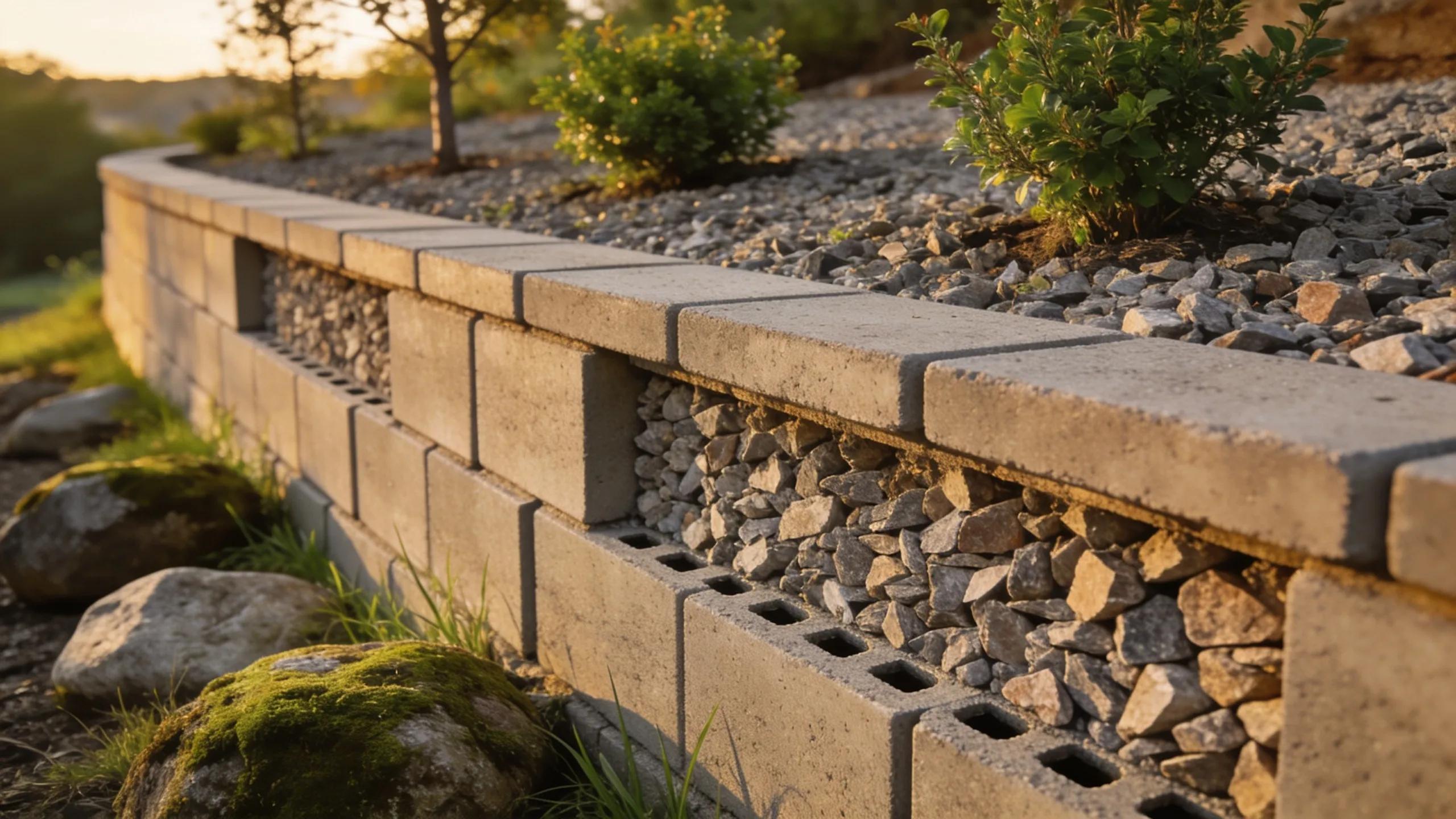
Gravel backfill is a simple, reliable way to move water away from a retaining wall and lower hydrostatic pressure that can cause failure. Its porous nature lets water pass through instead of building up behind the wall. It also helps stop erosion by stabilising the soil behind the wall so the structure holds up longer. For a variety of gravel options suitable for backfill, consider the selection offered by Kirk Allen Landscape Supply.
Research shows graded gravel layers improve subgrade stability and help divert water, which reduces moisture-related damage over time.
Gravel Drainage Layers for Subgrade Stability and Water Diversion
Traditional soil subgrades are prone to stability degradation under long-term wet–dry cycling, where repeated moisture fluctuations induce microstructural damage and consequently reduce soil strength. To mitigate this stability degradation, this study proposes a composite layered subgrade structure with enhanced drainage performance. By incorporating a graded gravel drainage layer with a permeability coefficient multiple orders of magnitude higher than that of soil, a multi-tiered water diversion and drainage synergy system was established.Field experiment on the water immersion characteristics of graded gravel-sandwich subgrade structure, 2025
Expert Advice for Homeowners and Contractors
When picking and using gravel backfill, keep a few simple points in mind to get the best results:
- Choosing the Right Type of Gravel: Select gravel that is angular and well-graded to enhance drainage and stability.
- Layering Techniques: Implement proper layering techniques to promote effective drainage and prevent soil erosion.
- Using Landscape Fabric: Incorporate landscape fabric to separate the gravel from the soil, preventing clogging and maintaining drainage efficiency.
Kirk Allen Landscape Supply stocks several gravel options suited for backfill so you can get the right material for your job.
Best Practices for Implementation
Getting the backfill right matters. Use these best practices to make sure the drainage works as intended:
- Excavation Techniques: Ensure proper excavation to create a stable base for the gravel.
- Installation of Landscape Fabric: Lay landscape fabric before placing gravel to prevent soil contamination.
- Regular Maintenance: Schedule regular inspections and maintenance to ensure the drainage system remains effective over time.
What Is Gravel Backfill and Why Does It Matter for Retaining Walls?
Gravel backfill is the gravel layer placed behind a retaining wall to help drainage and support the structure. It moves water away so hydrostatic pressure does not build up and damage the wall. Letting water drain away helps the wall stay solid and last longer.
How Gravel Backfill Supports Effective Drainage Behind Retaining Walls
Gravel creates a permeable layer that lets water flow through instead of pooling. The angular pieces leave gaps that carry water away, which lowers the chance of water pressure pushing on the wall. Good drainage like this prevents many common failures.
What Types of Gravel Are Best for Backfill Use?
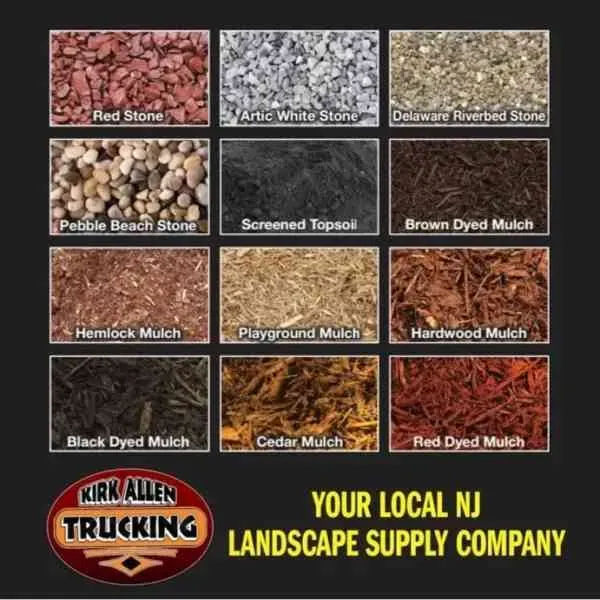
Good options for backfill are:
- Crushed Stone: Offers excellent drainage properties and stability due to its angular shape.
- Washed Gravel: Provides good drainage while minimizing the risk of soil contamination.
- Pea Gravel: While easy to work with, it may not provide the same level of stability as crushed stone.
Picking the right gravel helps drainage and keeps the wall steady. For related materials like topsoil and fill, explore Kirk Allen Landscape Supply’s offerings.
How Does Gravel Backfill Prevent Hydrostatic Pressure and Wall Failure?
Gravel backfill lets water escape from behind the wall, which cuts hydrostatic pressure. When water builds up it pushes on the wall and can cause damage. Using gravel and placing drainage pipes correctly helps the water move away and protects the wall.
Research on road drainage shows permeable gravel can drain water quickly, greatly reducing how long soils stay saturated after rain.
Effective Road Drainage with Permeable Gravel Backfill
Research has shown that the use of a trenchless drainage system in road construction, whereby an engineered open trench is backfilled with relatively permeable material, can be a suitable alternative on the flat terrain. It was observed that a 50 cm depth of water completely drains off in such a system within 30 min of cessation of rainfall, instead of the usual two to three weeks duration. Five conditions were examined in the course of the research. The rate of drawdown recorded for the various conditions are 3.7 cm/min for open trench i.e. without a backfill; 3.3 cm/min for trench backfilled with gravelly sand; 2.8 cm/min with fine sand; 2.0 cm/min with mixed sand and 3.5 × 10⁻⁴cm/min for the open concrete drain.
A drainage system for Road Construction on flat terrain in New Owerri Nigeria, KC Owuama, 2020
How Gravel Backfill Reduces Water Buildup and Soil Erosion
Gravel helps stop water from building up and reduces erosion. Water moves through the gravel instead of soaking the soil, which lowers the risk of soil washing away. This is especially helpful in areas with heavy rain.
What Are Common Mistakes in Retaining Wall Drainage and How to Avoid Them?
Common mistakes in retaining wall drainage include:
- Using Incorrect Materials: Opting for non-permeable materials can hinder drainage and lead to wall failure.
- Neglecting Landscape Fabric: Failing to use landscape fabric can result in soil clogging the gravel, reducing its effectiveness.
- Improper Slope: Not maintaining a proper slope can cause water to pool behind the wall, increasing hydrostatic pressure.
Avoiding these mistakes helps keep your drainage working as designed.
How to Correctly Install Gravel Backfill to Prevent Problems
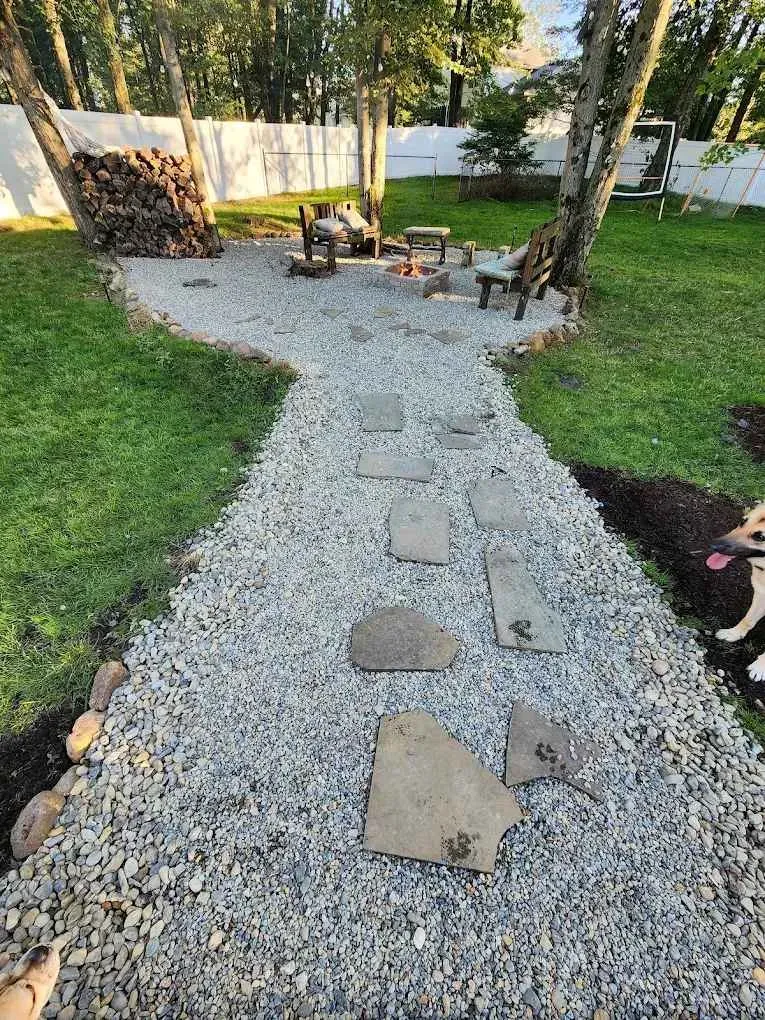
Follow these steps to install gravel backfill correctly:
- Excavation and Layering: Excavate the area behind the wall and create a stable base. Layer the gravel in increments, compacting it as you go.
- Pipe Placement: Install drainage pipes at the base of the gravel layer to facilitate water movement.
- Backfilling Techniques: Ensure that the backfill is placed evenly and compacted to prevent settling.
These steps help prevent common drainage problems.
How to Choose the Right Gravel and Materials for Retaining Wall Drainage
Choose gravel and materials based on:
- Material Characteristics: Look for gravel that is angular and well-graded for optimal drainage.
- Application Recommendations: Choose materials based on the specific drainage needs of your project.
- Installation Considerations: Ensure that the selected materials can be easily installed and maintained.
Kirk Allen Landscape Supply carries quality gravel options to meet your project needs.
What Gravel Gradation and Size Work Best for Drainage?
A mix of gravel sizes usually works best for drainage. Larger stones and smaller particles together create voids that move water while keeping the backfill stable. Stones around 3/4 inch to 1 inch are commonly used for backfill.
How Local Soil and Climate Conditions Affect Material Selection
Local soil and climate affect what gravel you should use. Clay soils hold water, so choose gravel that drains well to avoid pooling. Areas with heavy rainfall may need extra drainage measures. For mulches and other supplies, see Kirk Allen Landscape Supply’s selection.
What Are Best Practices for Installing and Maintaining Gravel Backfill?
Best practices include using correct installation steps, checking the system regularly for clogs or settling, and avoiding non-permeable materials or skipping landscape fabric. These actions help the system work long term.
How to Properly Place Gravel Backfill for Optimal Drainage
Place gravel in layers and compact each layer to stop settling. Spread it evenly and put drainage pipes at the base so water can move away. This keeps the wall stable and reduces water-related issues.
What Maintenance Steps Keep Retaining Wall Drainage Effective Over Time
To keep drainage working, inspect the wall for signs of water or erosion, clear debris from pipes and the gravel area, and flush the system occasionally to remove sediment. These checks extend the life of the drainage system.
How Do Local Conditions in Syosset and Northern New Jersey Impact Retaining Wall Drainage?
Local conditions in Syosset and Northern New Jersey affect your drainage choices. Clay soils in the area can hold water, so effective drainage is key. The region’s rainfall patterns also mean you may need stronger drainage measures to prevent pooling and erosion.
How Kirk Allen Landscape Supply Supports Local Projects with Quality Materials
Kirk Allen Landscape Supply stocks crushed stone, washed gravel, and other products so both homeowners and contractors can get reliable materials. They focus on quality and helpful service and are a trusted local partner for landscaping projects.
Frequently Asked Questions
How Do Soil Types Affect Retaining Wall Drainage?
Soil type matters. Clay holds water and can raise hydrostatic pressure behind a wall, so you need stronger drainage. Sandy or loamy soils drain faster and reduce water buildup. Knowing your local soil helps you pick the right gravel and drainage materials.
What Is the Recommended Installation Depth for Gravel Backfill?
The ideal depth depends on wall height and soil, but a typical range is 12 to 24 inches behind the wall. A deeper gravel layer drains better but must be compacted to avoid settling. Building the backfill in layers and compacting each layer helps keep the wall stable.
Can Vegetation Impact the Drainage of Retaining Walls?
Yes. Roots can clog drainage pipes and cause water to build up. Surface plants can change how water runs off and may send more water toward the wall. Plan plant choice and spacing so roots and runoff don’t harm drainage.
What Maintenance Tasks Are Essential for Gravel Backfill Systems?
Check drainage pipes for blockages and clear debris that may stop water flow. Watch for settling in the gravel and add material if needed. Flushing the system now and then helps remove sediment. Regular care keeps the system working and reduces repair costs.
How Can I Tell If My Retaining Wall Drainage System Is Failing?
Signs of failure include standing water behind the wall, constant dampness at the base, cracks, or shifts and bulges in the wall. These signs suggest poor drainage. Spotting problems early lets you fix them before they get worse.
What Are the Cost Implications of Improper Drainage Practices?
Poor drainage can lead to expensive repairs for wall failure, landscape damage from erosion, and possible foundation issues nearby. Fixing these problems often costs far more than using quality materials and proper installation. Hiring experienced professionals for installation and maintenance helps avoid these costs.
Conclusion
Gravel backfill plays a key role in keeping retaining walls draining and stable. Choosing the right material and installing it properly helps the wall last longer. For best results, choose quality gravel from a trusted supplier like Kirk Allen Landscape Supply. Check their range to help your project succeed.